
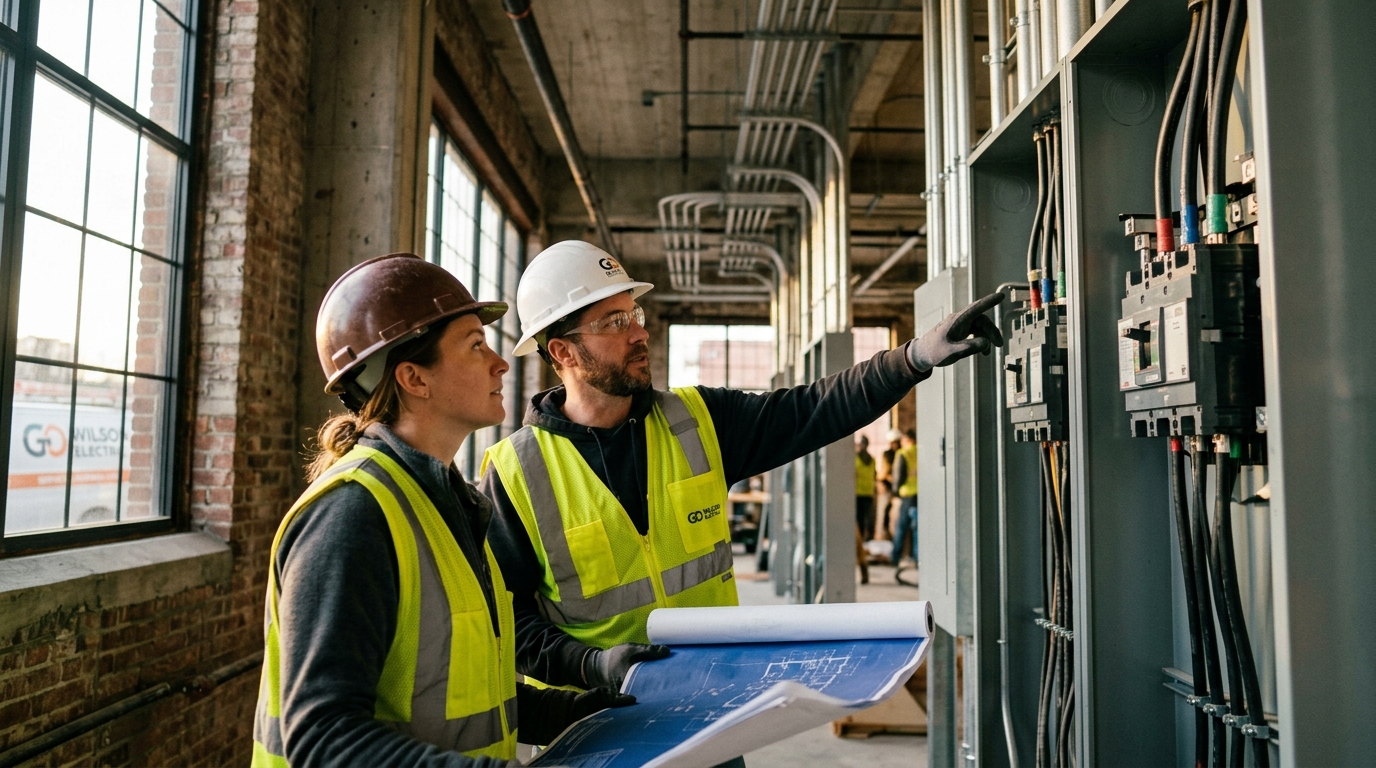
Hiring a Commercial Electrician: 7 Critical Checks for Upstate NY Projects
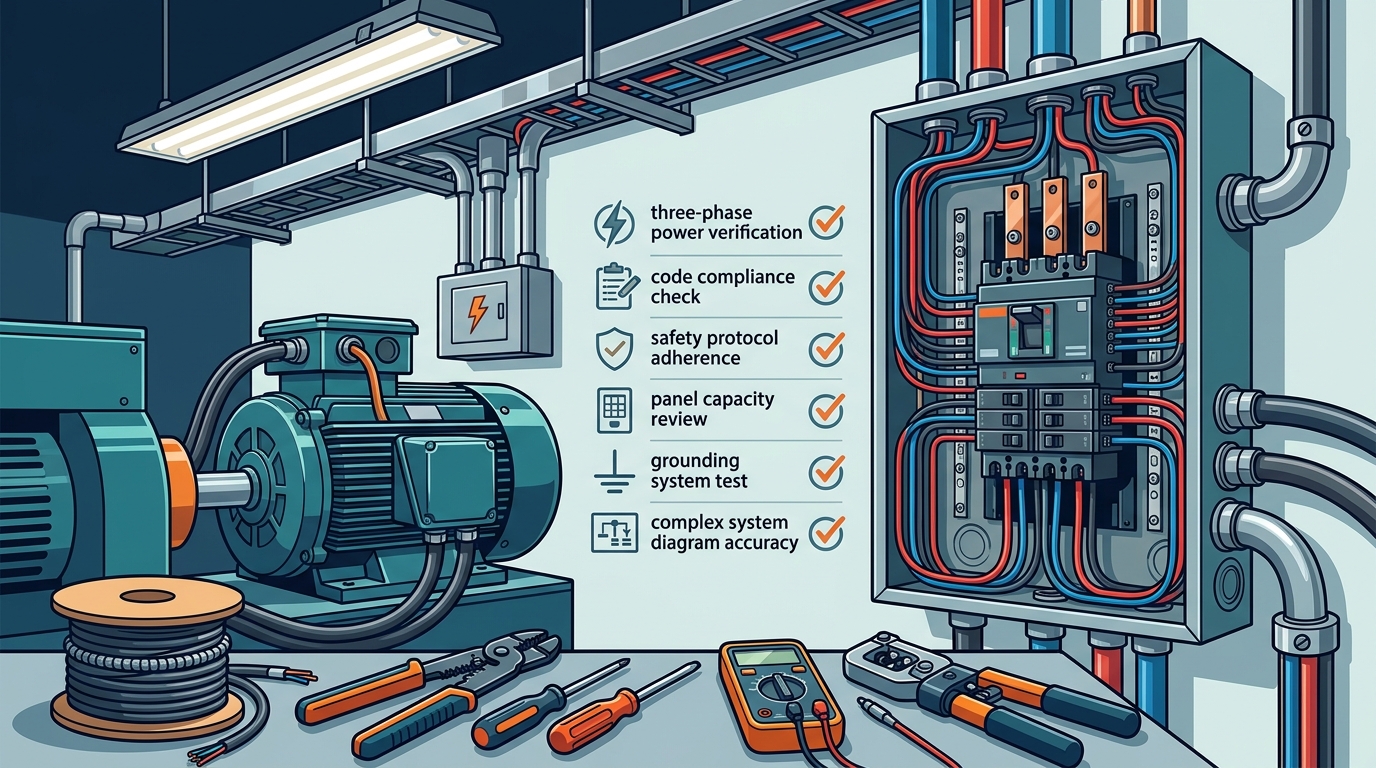
Commercial electrical infrastructure is the backbone of any business operation, yet it is often overlooked until a critical failure occurs. According to recent industry data, businesses that invest in proactive commercial electrical maintenance see a significant reduction in operational downtime and energy costs. When selecting a partner for these high-stakes projects, you cannot rely on residential standards. The complexity of three-phase power, code compliance, and safety protocols demands a specialized approach. This guide outlines the essential criteria for vetting electricians in Upstate New York, ensuring your facility remains safe, compliant, and efficient.
Commercial vs. Residential Expertise
One of the most common mistakes business owners make is hiring a residential electrician for commercial work. While both trades deal with electricity, the systems are fundamentally different. Commercial projects often involve three-phase power, complex panel upgrades, and heavy-duty machinery connections that residential technicians are not trained to handle. Commercial electrical systems require specialized knowledge to ensure they can handle the load of office equipment, HVAC systems, and industrial machinery without overheating or failing.
When evaluating a contractor, ask specifically about their experience with commercial clients. Do they have a dedicated commercial division? Have they worked on buildings similar to yours in terms of square footage and power requirements? A company like Go Wilson Electric emphasizes their ability to handle both residential and commercial needs, but it is crucial to verify their specific track record with commercial infrastructure. Look for testimonials or case studies that demonstrate successful commercial installations, such as office build-outs, retail lighting upgrades, or industrial power distribution.
Licensing and Insurance Verification
In New York State, electrical work is heavily regulated to protect public safety. Any electrician working on your commercial property must hold a valid New York State license. This is not just a formality; it is a legal requirement that ensures the technician has passed rigorous exams regarding the National Electrical Code (NEC) and local Upstate NY amendments. Unlicensed work can void your business insurance policies and lead to severe legal penalties during property sales or inspections.
Beyond licensing, insurance is your financial safety net. You must request a Certificate of Insurance (COI) from the contractor. This document should verify two critical types of coverage:
- General Liability Insurance: This protects your property if the electrician accidentally damages your building, equipment, or inventory during the project.
- Workers' Compensation Insurance: If a worker is injured on your property, this coverage ensures that you are not held liable for their medical bills and lost wages.
Never accept a verbal assurance of insurance. Always verify the policy directly with the provider to ensure it is active and covers the duration of your project. Go Wilson Electric highlights their status as a licensed and insured professional team, which is a baseline expectation for any reputable contractor in the region.
Safety Protocols and Compliance
Safety is the non-negotiable core of commercial electrical work. A qualified electrician must adhere to strict safety protocols, including the use of personal protective equipment (PPE), proper lockout/tagout procedures, and adherence to OSHA standards. When interviewing potential contractors, ask about their safety training programs. Do they conduct regular safety meetings? Do they have a designated safety officer for larger projects?
Compliance with the National Electrical Code (NEC) is also vital. The NEC is updated regularly to reflect new technologies and safety standards. Your electrician must be up-to-date with the latest code requirements for commercial buildings. This includes proper grounding, circuit protection, and emergency lighting standards. Failure to comply can result in failed inspections, costly rework, and increased risk of electrical fires. According to the National Fire Protection Association, electrical failure is a leading cause of structure fires, making compliance critical for business continuity.
Scope of Service Capabilities
Commercial projects often require a wide range of services beyond simple wiring. You need a partner who can handle the entire lifecycle of your electrical infrastructure. This includes everything from initial design and load calculations to installation, testing, and ongoing maintenance. Look for a contractor who offers a comprehensive suite of services, such as:
- Panel Upgrades: Ensuring your main distribution panel can handle increased power demands.
- Lighting Design: Installing energy-efficient LED systems that reduce operational costs.
- Generator Installation: Providing backup power to prevent data loss and business interruption.
- EV Charger Installation: Supporting your fleet or employee charging needs.
- Security Systems: Integrating electrical infrastructure for surveillance and access control.
A contractor with a broad scope of capabilities can streamline your project by eliminating the need to coordinate multiple vendors. Go Wilson Electric lists a wide array of services, including commercial service requests, generator installs, and security systems, demonstrating their capacity to handle complex, multi-faceted commercial projects.
Pricing Transparency and Estimates
Commercial electrical work can be expensive, and unexpected costs can derail a project budget. A reputable electrician will provide a detailed, written estimate that breaks down labor, materials, and any potential additional costs. Avoid contractors who give vague verbal quotes or refuse to put pricing in writing. Transparency is key to a successful partnership.
When reviewing estimates, look for clarity in the scope of work. Does the quote specify the exact brands and models of materials to be used? Does it outline the timeline for completion? A detailed quote protects you from "scope creep" and ensures that both parties have a clear understanding of the project deliverables. Go Wilson Electric offers free estimates, which is a standard practice for reputable firms, allowing you to compare quotes without financial commitment.
Emergency Response and Availability
Electrical failures can happen at any time, and they can halt your business operations instantly. It is crucial to ask potential contractors about their emergency response capabilities. Do they offer 24/7 emergency service? What is their average response time for urgent calls? A contractor with a dedicated emergency team can minimize downtime by arriving quickly to diagnose and repair critical issues.
Additionally, consider their availability for routine maintenance. Proactive maintenance can prevent emergencies before they occur. Ask if they offer service contracts that include regular inspections, thermal imaging, and load testing. A reliable partner will be available not just for emergencies, but for ongoing support to keep your business running smoothly.
Local Upstate NY Knowledge
Hiring a local electrician offers significant advantages for commercial projects. Local contractors understand the specific building codes and regulations in Upstate New York. They are familiar with the local utility providers and the process for obtaining permits. This local knowledge can speed up the approval process and prevent costly delays.
Furthermore, local electricians are invested in the community. They are more likely to provide personalized service and stand behind their work because their reputation depends on it. Go Wilson Electric serves the entire Upstate NY region, bringing decades of combined expertise in construction and power delivery to every job. Their local presence ensures they can respond quickly to your needs and understand the unique challenges of the regional climate and infrastructure.
Key Takeaways
- Verify Licensing: Ensure your electrician holds a valid New York State license and carries both general liability and workers' compensation insurance.
- Check Commercial Experience: Look for a proven track record with commercial projects, including three-phase power and complex panel upgrades.
- Demand Transparency: Require detailed, written estimates that break down labor and materials to avoid hidden costs.
- Assess Safety Standards: Confirm adherence to OSHA standards and the latest National Electrical Code (NEC) requirements.
- Confirm Emergency Support: Ask about 24/7 availability and average response times for critical electrical failures.
- Prioritize Local Expertise: Choose a contractor familiar with Upstate NY building codes and utility regulations to streamline permitting.
- Evaluate Service Scope: Ensure the contractor can handle all aspects of your project, from design to installation and maintenance.
Frequently Asked Questions
What is the difference between residential and commercial electrical work?
Commercial electrical work typically involves higher voltage systems, such as three-phase power, and more complex infrastructure to support heavy machinery and large-scale lighting. Residential work usually relies on single-phase power and simpler circuitry. Commercial projects also require stricter adherence to safety codes and often involve more rigorous permitting processes.
How do I verify an electrician's insurance?
You should request a Certificate of Insurance (COI) directly from the electrician's provider. This document will list the policy number, coverage limits, and expiration date. You can then contact the insurance company to verify that the policy is active and includes both general liability and workers' compensation coverage.
Why is local knowledge important for commercial electrical projects?
Local electricians understand the specific building codes, permit requirements, and utility regulations in Upstate New York. This knowledge helps avoid delays during the inspection and approval process. Additionally, local contractors are more accessible for emergency repairs and ongoing maintenance, ensuring faster response times.
What should be included in a commercial electrical estimate?
A comprehensive estimate should include a detailed breakdown of labor costs, material costs, permit fees, and any potential additional charges. It should also specify the timeline for completion and the scope of work. Avoid vague quotes that do not provide clear details on what is included.
Does Go Wilson Electric offer commercial services?
Yes, Go Wilson Electric provides a wide range of commercial electrical services, including panel upgrades, lighting design, generator installation, and security systems. They are licensed and insured, with a focus on delivering high-quality, code-compliant work to businesses throughout Upstate NY.
How often should a commercial building undergo electrical inspections?
It is recommended that commercial buildings undergo electrical inspections at least once a year. Regular inspections can identify potential hazards, such as worn wiring or overloaded circuits, before they cause serious damage or safety risks. Proactive maintenance can also extend the life of your electrical systems and reduce energy costs.
What is the average response time for emergency electrical services?
Response times can vary by contractor, but reputable emergency services aim to respond within a few hours for critical issues. It is important to ask potential contractors about their specific emergency protocols and availability to ensure they can meet your business's urgent needs.
Ready to Secure Your Commercial Infrastructure?
Choosing the right electrician for your commercial project is a decision that impacts your safety, compliance, and bottom line. By verifying licensing, assessing commercial expertise, and ensuring transparent pricing, you can protect your business from costly electrical failures. Contact Go Wilson Electric today to schedule your free consultation and discover why Upstate NY businesses trust us for their most critical electrical needs.