
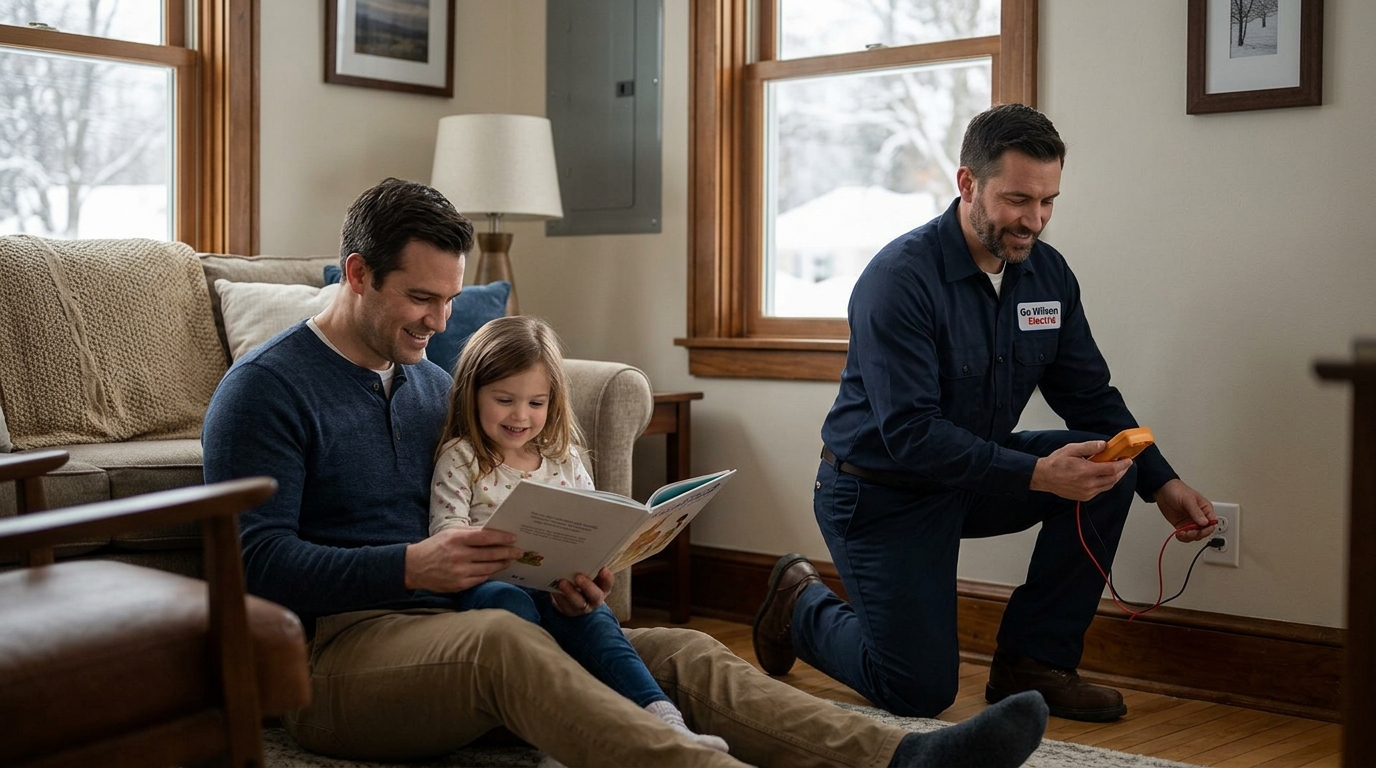
Electrical safety is not merely a regulatory checkbox but a critical component of property preservation and human survival. In Upstate New York, where extreme weather conditions place unique stresses on aging infrastructure, the risk of electrical failure is significantly higher than in milder climates. According to the National Fire Protection Association, electrical failures are a leading cause of structure fires in the United States, accounting for approximately 44,000 fires annually. This statistic underscores the necessity of proactive safety measures, professional inspections, and immediate intervention when warning signs appear. For homeowners and business owners in the Rochester, Syracuse, and Buffalo regions, understanding these risks is the first line of defense against catastrophic loss.
Why Electrical Safety Matters in Upstate NY
Upstate New York presents a distinct set of challenges for electrical systems. The region experiences harsh winters with heavy snow loads and rapid temperature fluctuations. These environmental factors cause materials to expand and contract, leading to micro-fractures in wiring insulation and loose connections in junction boxes. Electrical safety is the systematic practice of preventing injury and property damage caused by the improper use of electricity. When infrastructure is compromised by weather, the risk of short circuits and arcing increases dramatically.
Furthermore, many homes in this region were built decades ago, relying on outdated wiring standards that do not meet modern power demands. The National Electrical Code (NEC) is updated regularly to address new technologies and safety concerns. The National Electrical Code is the benchmark for safe electrical design, installation, and inspection in the United States. Compliance with the latest NEC standards is not optional for commercial entities and is highly recommended for residential upgrades to ensure longevity and safety. (Home Go Wilson Electric)
Go Wilson Electric serves the entire Upstate NY region with a focus on code-compliant solutions. Our team understands the local regulatory landscape and the specific environmental stressors that affect electrical integrity. By prioritizing safety, we help clients avoid the high costs associated with fire damage, equipment failure, and insurance claim denials.
Common Electrical Hazards to Identify
Recognizing the early signs of electrical distress can prevent disasters. Homeowners and facility managers should be vigilant for the following indicators:
Frequent Circuit Breaker Trips
If your breaker trips repeatedly, it indicates an overload or a short circuit. While occasional tripping during extreme load events is normal, frequent occurrences suggest that the system is struggling to handle the current demand. Ignoring this warning sign can lead to overheating wires and potential fires.
Flickering or Dimming Lights
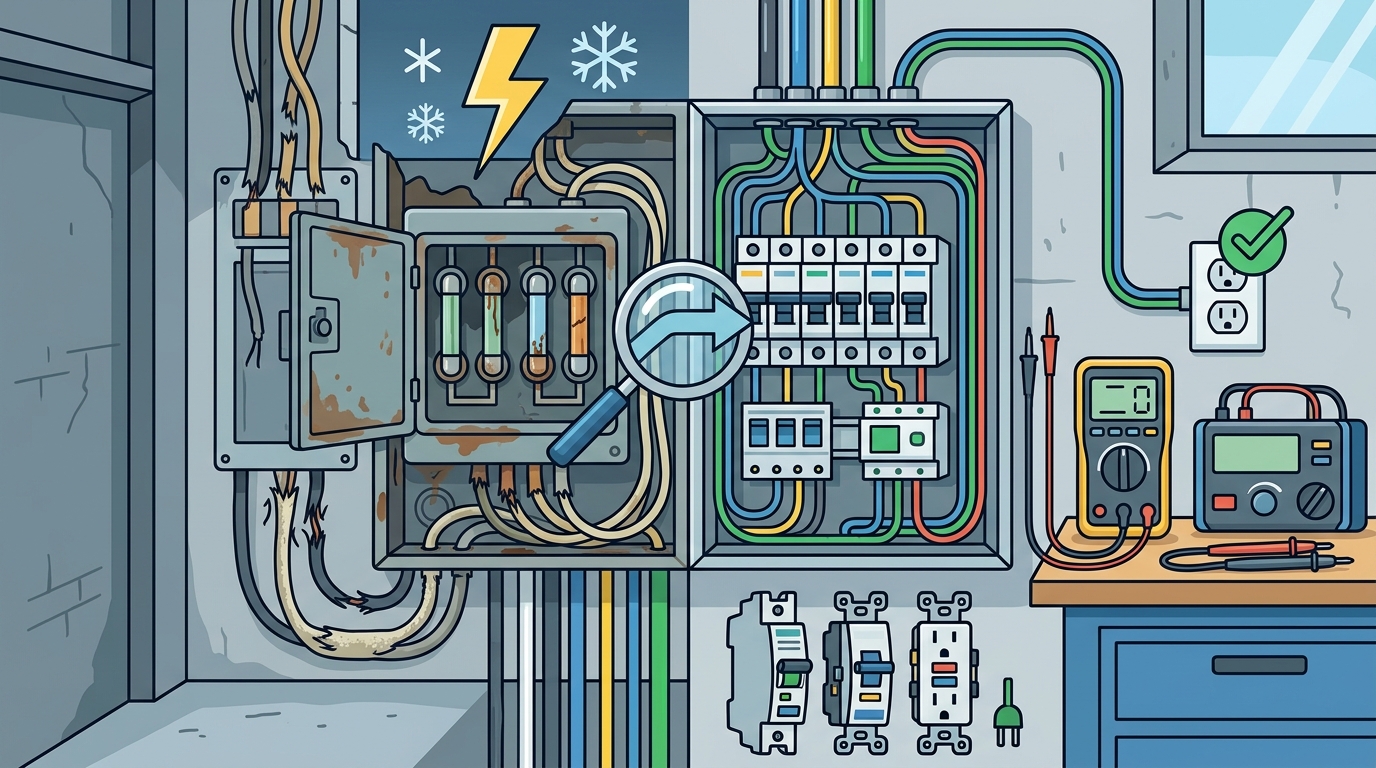
Lights that flicker or dim when large appliances turn on often point to loose connections in the panel or at the outlet. Arcing is the dangerous flow of current across a gap, generating intense heat that can ignite surrounding materials. This phenomenon is particularly common in older homes with aluminum wiring or degraded copper connections.
Burning Odors or Discoloration
A smell of burning plastic or scorch marks around outlets and switches are immediate red flags. These signs indicate that wires are overheating due to resistance or poor contact. Immediate professional inspection is required to assess the extent of the damage and replace compromised components.
Residential Safety Protocols
Protecting your home requires a multi-layered approach to safety. The following protocols are essential for any household in Upstate NY.
GFCI Protection Requirements
Ground Fault Circuit Interrupter (GFCI) outlets are designed to shut off power quickly when they detect a ground fault, which occurs when electricity takes an unintended path to the ground. The NEC requires GFCI protection in areas where water and electricity may interact, such as kitchens, bathrooms, basements, and outdoor outlets. Installing these devices significantly reduces the risk of severe electric shock.
Surge Protection Strategies
Upstate NY is prone to thunderstorms and lightning strikes. Power surges can destroy sensitive electronics and damage wiring insulation. Whole-home surge protectors installed at the main service panel provide a robust first line of defense. For additional protection, point-of-use surge protectors should be used for high-value electronics.
Load Management
Modern households use more electricity than ever before. Space heaters, air conditioners, and electric vehicle chargers place significant loads on circuits. Overloading circuits is a primary cause of electrical fires. Go Wilson Electric offers EV charger installation services that include a thorough assessment of your home's capacity to ensure safe operation.
Commercial Compliance & Code Standards
Businesses face stricter regulatory scrutiny regarding electrical safety. Non-compliance can result in hefty fines, operational shutdowns, and liability issues in the event of an accident.
Regular Inspections and Maintenance
Commercial properties should undergo annual electrical inspections by licensed professionals. These inspections verify that all systems meet current code requirements and identify potential hazards before they cause failure. Preventive maintenance is the strategic approach of regularly servicing equipment to prevent unexpected breakdowns and ensure optimal performance. This includes thermal imaging of panels to detect hot spots and tightening of loose connections.
Emergency Power Systems
For businesses, continuity of operation is critical. Generator installations provide backup power during outages. However, these systems must be installed correctly to prevent backfeeding, which can endanger utility workers and damage the generator. Go Wilson Electric specializes in generator installation for both residential and commercial clients, ensuring seamless integration and safety.
Lighting and Security Systems
Proper lighting is essential for safety in commercial environments. Poorly lit areas increase the risk of accidents and security breaches. Additionally, security systems require reliable power sources and proper grounding to function correctly. Our team provides comprehensive security system installations that integrate safely with your existing electrical infrastructure.
Emergency Response Procedures
Knowing how to respond to an electrical emergency can save lives. The following steps should be memorized by all occupants of a property.
Identifying Electrical Fires
Electrical fires are classified as Class C fires. They involve energized electrical equipment. A Class C fire is a type of fire involving energized electrical equipment where the risk of electric shock exists. Water should never be used to extinguish these fires, as it conducts electricity and can cause severe shock or electrocution.
Using the Correct Extinguisher
Only use a Class C rated fire extinguisher, typically containing carbon dioxide or dry chemical agents. These agents do not conduct electricity and are safe to use on energized equipment. Ensure that extinguishers are accessible and regularly inspected.
When to Call for Help
If you smell burning, see smoke, or experience a major power failure, evacuate the area immediately and call emergency services. For non-emergency but urgent issues, such as a tripped breaker that will not reset or a sparking outlet, contact a licensed electrician. Go Wilson Electric offers emergency service for critical situations requiring immediate attention.
Key Takeaways
- Electrical failures cause approximately 44,000 structure fires annually in the US, highlighting the critical need for vigilance.
- Upstate NY's harsh weather conditions accelerate the degradation of wiring insulation and connections.
- The National Electrical Code (NEC) is the primary standard for safe electrical installation and inspection.
- GFCI outlets are mandatory in wet areas to prevent severe electric shock.
- Whole-home surge protectors are essential for defending against lightning and grid fluctuations.
- Commercial properties require annual inspections to maintain compliance and operational continuity.
- Class C fire extinguishers must be used for electrical fires, never water.
Frequently Asked Questions
How often should I have my home's electrical system inspected?
It is recommended to have a professional inspection every three to five years for older homes, or whenever you undertake a major renovation. Newer homes may require less frequent inspections, but regular checks are always advisable.
What is the difference between a GFCI and an AFCI outlet?
A GFCI (Ground Fault Circuit Interrupter) protects against electric shock by detecting ground faults. An AFCI (Arc Fault Circuit Interrupter) protects against fires by detecting dangerous arcing conditions. Modern codes often require both in different areas of the home.
Can I install an EV charger myself?
No. Installing an EV charger requires a dedicated circuit and proper connection to the main panel. This work must be performed by a licensed electrician to ensure safety and code compliance. Visit our EV charger installation page for more details.
What should I do if my breaker keeps tripping?
First, unplug devices on the tripped circuit. Try resetting the breaker. If it trips again immediately, do not force it. This indicates a short circuit or ground fault that requires professional diagnosis. Contact Go Wilson Electric for assistance.
Are solar installations safe for existing electrical systems?
Solar installations must be integrated carefully with your existing panel to prevent backfeeding and overloading. Professional assessment is crucial to ensure your panel can handle the additional input. Learn more about our solar install services.
How do I know if my home has outdated wiring?
Signs include aluminum wiring, knob-and-tube wiring, or lack of grounding. If your home was built before 1970, it is likely that the wiring is outdated. A professional inspection can confirm the type and condition of your wiring.
What is the cost of an electrical safety inspection?
Costs vary based on the size of the property and the scope of the inspection. Go Wilson Electric provides transparent, upfront pricing with no hidden costs. Request a free quote for a detailed estimate.
Schedule Your Safety Consultation
Electrical safety is an investment in the longevity and security of your property. Do not wait for a failure to occur before taking action. Whether you need a routine inspection, a panel upgrade, or emergency repairs, Go Wilson Electric is your trusted partner in Upstate NY. Our team of licensed and insured professionals is ready to provide the highest quality electrical solutions with honesty and exceptional attention to detail.
Contact us today to schedule your free consultation. Call 585-54-POWER (585-547-6937) or visit our Request Quote page to get started. Let us help you power your home and business safely and efficiently.