
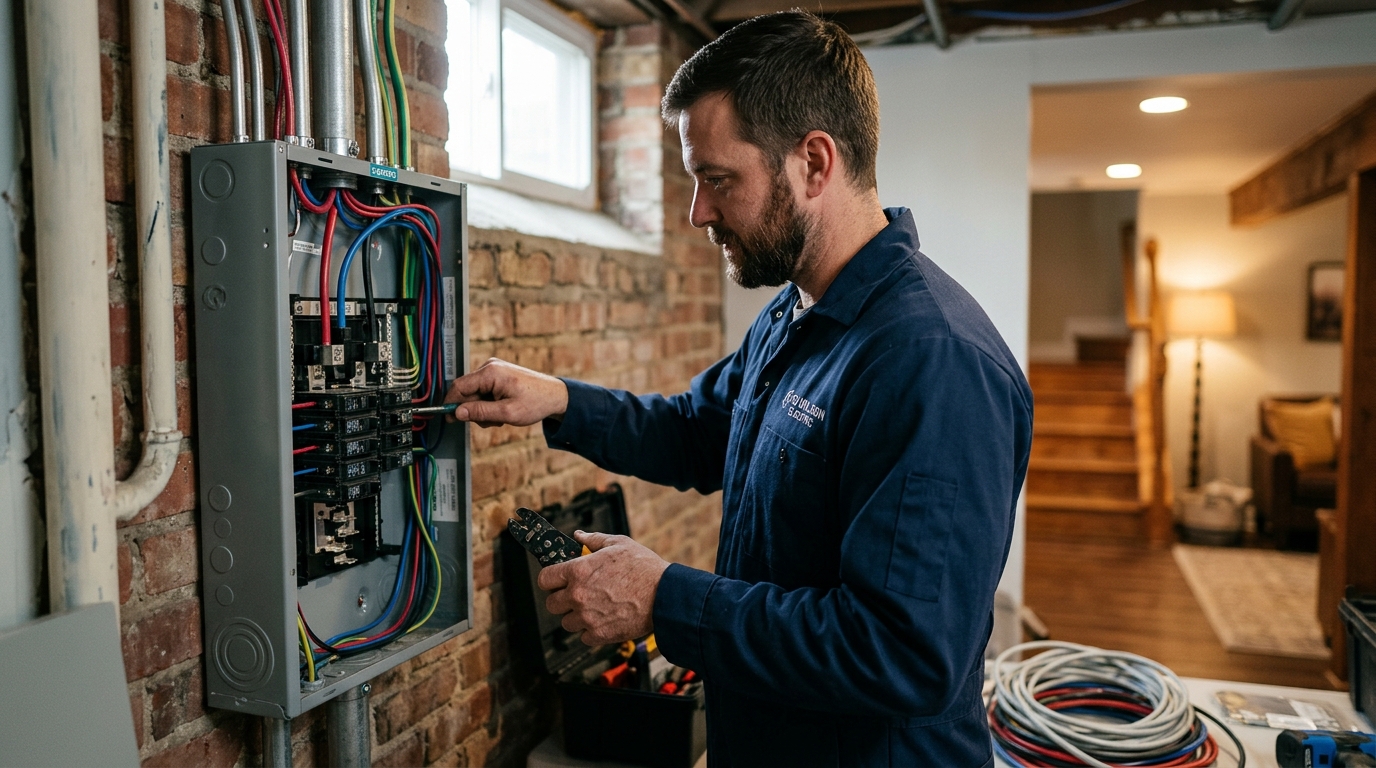
Step-by-Step Guide to Breaker Box Installation and Upgrades in Rochester, NY
Upgrading your electrical panel is one of the most critical investments you can make for your home's safety and functionality. According to the National Electrical Manufacturers Association, modern households consume significantly more power than homes built in the last century, making older 100-amp panels insufficient for contemporary needs. Go Wilson Electric has served the Upstate New York region for over three decades, bringing combined expertise in construction and power delivery to every residential and commercial project. This guide outlines the technical and practical considerations for breaker box installation and upgrades in Rochester, ensuring your property meets current safety codes and power demands.
What Is a Breaker Box?
A breaker box, technically known as an electrical panel or load center, is the central distribution point for electricity in your building. Breaker box is the main hub that directs power from the utility grid to individual circuits throughout your home. Inside this metal enclosure, circuit breakers act as automatic switches that cut off power if they detect an overload or short circuit. This mechanism prevents wires from overheating and potentially causing electrical fires.
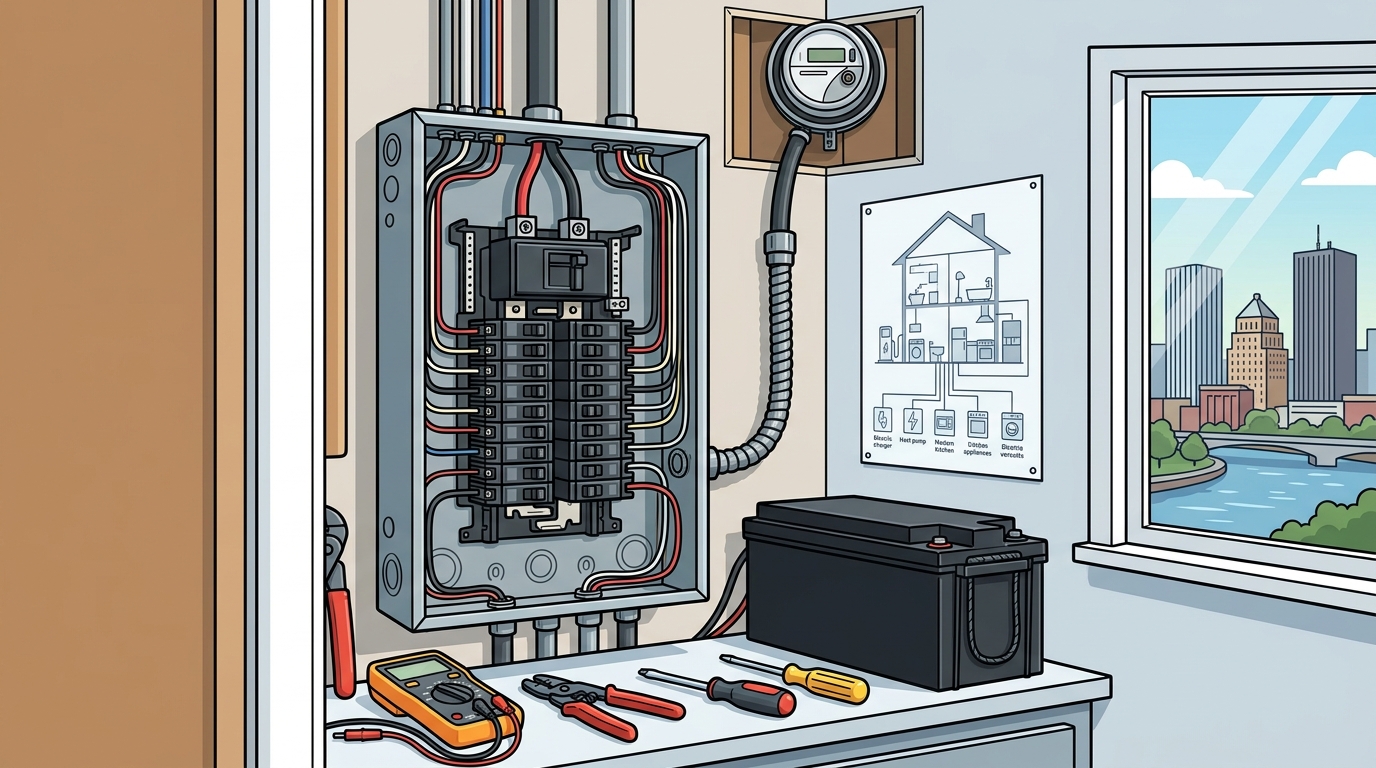
Understanding the anatomy of your panel is the first step in deciding whether an upgrade is necessary. The main breaker switch controls the flow of electricity to the entire house. Branch breakers manage specific areas, such as the kitchen, HVAC system, or outdoor lighting. When these components age or become outdated, the entire electrical system's reliability is compromised. (Home Go Wilson Electric)
Signs You Need an Electrical Panel Upgrade
Many homeowners in Rochester and surrounding Upstate New York communities live with outdated electrical infrastructure without realizing the risks. Older homes, particularly those built before the 1980s, often feature 60-amp or 100-amp panels that simply cannot handle the load of modern appliances. The following indicators suggest it is time to contact a licensed electrician for an evaluation.
Frequent Circuit Breaker Trips
If your breakers trip regularly, it indicates that the circuit is drawing more current than the breaker can safely handle. While occasional tripping during extreme usage is normal, frequent interruptions signal that your panel is overwhelmed. This is a common issue in homes where residents have added high-demand appliances like electric vehicle chargers or hot tubs without upgrading the main service.
Flickering or Dimming Lights
Lights that dim when large appliances turn on, such as a refrigerator or air conditioner, suggest voltage instability. This phenomenon occurs when the electrical panel struggles to maintain consistent power delivery under load. Persistent flickering can damage sensitive electronics and indicates a failing panel or loose connections that require immediate professional attention.
Physical Damage or Corrosion
Upstate New York's climate can contribute to moisture intrusion in older electrical systems. If you notice rust, corrosion, or a burning smell coming from the panel, do not attempt to open it yourself. These are critical warning signs of internal failure. Go Wilson Electric prioritizes safety by conducting thorough inspections to identify such hazards before they escalate into emergencies.
The Step-by-Step Upgrade Process
Upgrading your electrical panel is a complex procedure that requires precision and adherence to strict safety protocols. The process typically involves several distinct phases, from initial assessment to final testing.
Phase 1: Assessment and Planning
The first step is a comprehensive load calculation. An electrician evaluates your current power consumption and projects future needs based on your household's appliances and potential renovations. This calculation determines the appropriate amperage for the new panel, typically upgrading from 100 amps to 200 amps for modern homes. This ensures you have sufficient capacity for decades to come.
Phase 2: Permitting and Utility Coordination
In Rochester, NY, electrical upgrades require permits from the local building department. Our team handles the paperwork and coordinates with the local utility provider to schedule the disconnection of power. This step is crucial for ensuring that the work complies with the National Electrical Code (NEC) and local municipal regulations.
Phase 3: Installation and Wiring
Once the power is safely disconnected, the old panel is removed. The new load center is mounted in the designated location, and new main and branch breakers are installed. The electrician then connects the service entrance cables and grounds the system. This phase requires meticulous attention to detail to ensure all connections are tight and secure, preventing future arcing or heat buildup.
Phase 4: Testing and Inspection
After the physical installation is complete, the power is restored, and the system is tested. The electrician verifies that each circuit is functioning correctly and that the breakers trip appropriately under simulated overload conditions. A final inspection by the local building authority ensures the installation meets all safety codes before the system is fully operational.
Residential vs. Commercial Panel Requirements
While the fundamental principles of electrical distribution remain the same, residential and commercial panels differ significantly in capacity and complexity. Residential panels typically range from 100 to 400 amps, focusing on safety and ease of access for homeowners. Commercial panels, however, often require three-phase power distribution to support heavy machinery, large HVAC systems, and extensive lighting grids.
| Feature | Residential Panel | Commercial Panel |
|---|---|---|
| Typical Amperage | 100 - 200 Amps | 400 - 1000+ Amps |
| Power Type | Single-Phase | Three-Phase |
| Complexity | Standard Circuit Breakers | Advanced Load Management |
| Access | Front-Load Access | Front or Rear Access |
Commercial installations often involve more complex wiring schemes and higher voltage requirements. Go Wilson Electric provides specialized commercial service requests for businesses in the Rochester area, ensuring minimal downtime and maximum operational efficiency.
Safety Standards and Local Compliance
Safety is the cornerstone of every electrical project. The National Fire Protection Association reports that electrical failures are a leading cause of structure fires in the United States. Adhering to the latest NEC standards mitigates these risks significantly. In Rochester, local codes may have specific requirements regarding panel placement, clearance distances, and grounding methods.
Go Wilson Electric is a licensed and insured professional electrician service that guarantees quality workmanship. We ensure that every installation is not only code-compliant but also built to last. Our commitment to transparency means upfront pricing with no hidden costs, allowing you to budget confidently for your upgrade.
Key Takeaways
- Capacity Matters: Upgrading from 100 amps to 200 amps is standard for modern homes to support electric vehicles and smart home devices.
- Safety First: Flickering lights and frequent breaker trips are critical warning signs of an overloaded or failing panel.
- Local Expertise: Go Wilson Electric has over three decades of combined expertise in construction and power delivery in Upstate New York.
- Compliance is Mandatory: All upgrades in Rochester require permits and must meet National Electrical Code standards.
- Professional Installation: DIY electrical work is dangerous and illegal in most jurisdictions; always hire a licensed electrician.
- Referral Program: Go Wilson Electric offers a $50 referral program for satisfied customers who recommend their services.
- Emergency Services: The team provides emergency service for outages and critical electrical failures throughout the region.
Frequently Asked Questions
How long does a breaker box upgrade take?
A standard residential breaker box upgrade typically takes one to two days, depending on the complexity of the existing wiring and the specific requirements of the new panel. Commercial projects may take longer due to the scale of the installation.
Do I need a permit for an electrical panel upgrade in Rochester?
Yes, Rochester requires permits for electrical panel upgrades to ensure compliance with local building codes. Go Wilson Electric handles the permitting process as part of our service.
What is the difference between a 100-amp and a 200-amp panel?
A 100-amp panel is suitable for older homes with minimal electrical demands, while a 200-amp panel provides double the capacity, supporting modern appliances, HVAC systems, and electric vehicle chargers.
Can I install a breaker box myself?
No, installing or upgrading a breaker box is a high-risk task that requires specialized knowledge and tools. It must be performed by a licensed electrician to ensure safety and code compliance.
How much does a breaker box upgrade cost?
The cost varies based on the amperage, the complexity of the installation, and local labor rates. Go Wilson Electric offers free estimates and upfront pricing with no hidden costs.
What brands of panels do you install?
We install reputable brands that meet current safety standards, including Square D, Siemens, and Eaton. The choice of brand depends on the specific requirements of your home and the existing infrastructure.
Do you offer emergency electrical services?
Yes, Go Wilson Electric provides emergency service for outages and critical electrical failures. Contact us immediately at 585-54-POWER for urgent assistance.
Schedule Your Free Consultation
Ready to upgrade your home's electrical safety and capacity? Contact Go Wilson Electric today for a free consultation and quote. Our team is ready to bring over three decades of expertise to your project, ensuring safe, reliable, and code-compliant electrical solutions. Visit our Request Quote page to get started.