
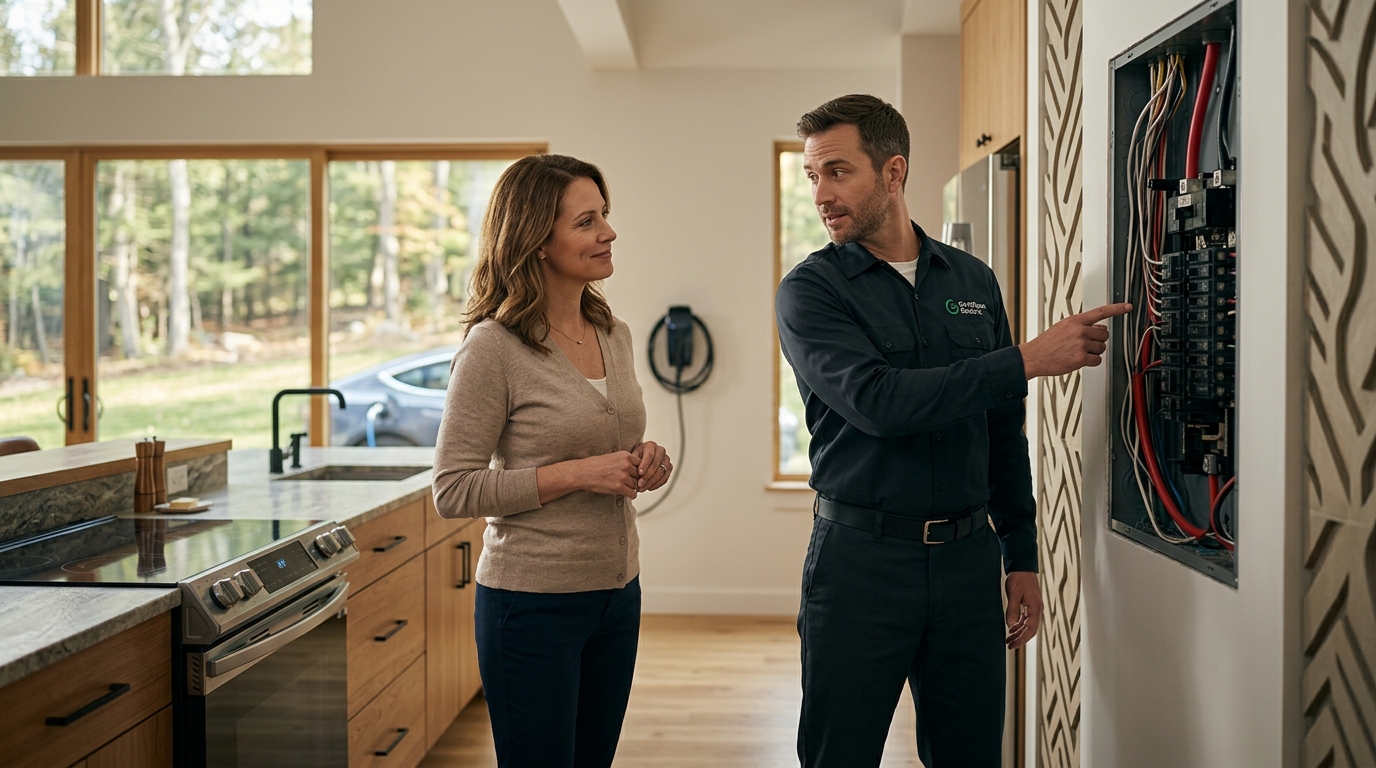
Modern homes in Upstate New York are facing an unprecedented surge in electrical demand. According to recent industry data, the average American household now utilizes over 30 distinct electronic devices simultaneously, a figure that has doubled in the last decade. This shift from simple lighting to complex power ecosystems means that standard household wiring is often pushed beyond its original design limits. When you install high-draw appliances like electric vehicle chargers or heavy-duty generators, the difference between a dedicated circuit and a standard outlet becomes the critical factor between reliable performance and dangerous overheating. Go Wilson Electric brings over three decades of combined expertise to help you navigate these essential infrastructure choices safely and efficiently.
What Is a Dedicated Circuit?
A dedicated circuit is a specialized electrical pathway that provides power exclusively to one specific appliance or device. Unlike a standard circuit, which may serve multiple outlets or lights, a dedicated line ensures that the full amperage capacity is available for that single load. This isolation prevents other devices in the home from tripping the breaker when the primary appliance activates. For homeowners in Pittsford, Rochester, and surrounding Upstate NY communities, understanding this distinction is vital for modernizing their electrical systems.
The primary benefit of this setup is reliability. When a refrigerator, HVAC system, or electric vehicle charger runs on its own line, it does not compete with your toaster or television for power. This stability is crucial for protecting sensitive electronics from voltage fluctuations. Furthermore, dedicated circuits are a mandatory requirement for many high-power installations. Ignoring this requirement can lead to frequent breaker trips, damaged appliances, and in severe cases, electrical fires. Go Wilson Electric ensures that every installation meets the highest safety standards and local code compliance.
Dedicated Circuit vs. Standard Outlet
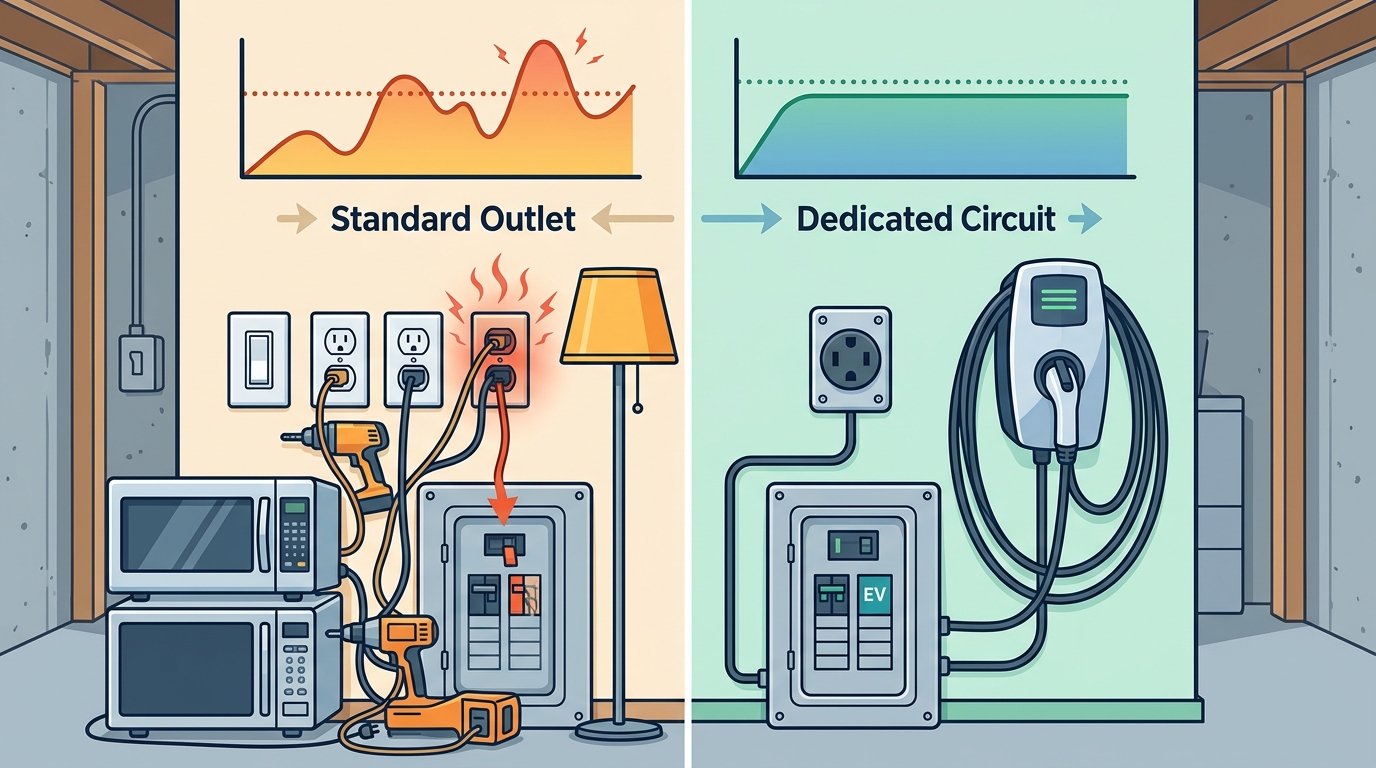
Understanding the mechanical and functional differences between these two types of wiring is the first step in planning your home upgrade. A standard outlet is typically part of a multi-wire branch circuit. This means it shares a single breaker with other outlets in the same room or adjacent rooms. If you plug in a space heater while the microwave is running, you might exceed the circuit's limit, causing the breaker to trip. This is a safety feature designed to prevent overheating, but it is inconvenient for daily use. (Home Go Wilson Electric)
In contrast, a dedicated circuit is wired directly from the main panel to a single outlet or junction box. It does not share capacity with any other device in the house. This setup allows for higher amperage ratings, typically 20, 30, or even 50 amps, depending on the device. The table below outlines the core differences to help you decide which path is right for your project.
Load Capacity and Stability
Standard outlets are generally rated for 15 or 20 amps. This is sufficient for lamps, phone chargers, and televisions. However, any device drawing more than 80% of that capacity for extended periods risks overheating the wiring. Dedicated circuits can handle continuous high loads without triggering safety mechanisms. This makes them ideal for appliances that run for long durations, such as sump pumps or security systems.
Safety Protocols and Code Compliance
Electrical codes, such as the National Electrical Code (NEC), mandate dedicated circuits for specific high-draw appliances. This includes kitchens, bathrooms, and laundry rooms where moisture and high power intersect. Installing a standard outlet for a device that requires a dedicated line is a code violation. It can also void your home insurance policy if a fire occurs due to improper wiring. Professional electricians verify these requirements before beginning any work to ensure your home remains compliant and safe.
EV Charger Installation Requirements
The transition to electric vehicles has created a massive demand for dedicated home charging solutions. Unlike plugging a phone into a wall, an EV charger draws significant power for several hours at a time. A Level 2 charger, which is the standard for home use, typically requires a 240-volt circuit. This is fundamentally different from the 120-volt standard outlets found in most living rooms.
Installing an EV charger without a dedicated circuit is not only ineffective but dangerous. The constant high draw can cause standard wiring to overheat, leading to insulation breakdown and potential fire hazards. Go Wilson Electric specializes in EV charger installation that includes a thorough assessment of your home's main panel capacity. We ensure that the new dedicated line is properly sized to handle the load while leaving room for other household needs.
Many homeowners in Upstate NY are also exploring solar integration to offset the cost of charging. A dedicated circuit allows for precise monitoring of energy usage. This data helps you understand how much of your charge comes from solar panels versus the grid. This level of control is impossible with a standard outlet shared with other household devices. Our team can help you design a system that maximizes efficiency and minimizes your carbon footprint.
Generator Connectivity and Safety
Power outages are a reality for many residents in Upstate New York, especially during severe winter storms. A whole-home generator provides peace of mind, but it requires a robust electrical connection to function correctly. Unlike a portable generator that you plug into a standard outlet with an adapter, a permanent generator needs a dedicated transfer switch and a dedicated circuit connection to the main panel.
This setup ensures that when the power goes out, the generator automatically takes over the load without back-feeding into the utility lines. Back-feeding is extremely dangerous for utility workers repairing the grid. It can also damage your generator and home appliances. Go Wilson Electric provides professional generator installation that includes the necessary dedicated circuits for critical loads like heating, refrigeration, and medical equipment.
We also offer security system integration that works seamlessly with your generator. This ensures that your home remains protected even during extended outages. The dedicated circuit for your security system guarantees that alarms, cameras, and smart locks remain operational. This reliability is a key component of modern home safety and peace of mind.
Solar Integration and Power Management
As energy costs rise, more homeowners are turning to solar power. However, solar panels do not just plug into a standard outlet. They require a dedicated connection to the main service panel to feed excess power back into the grid or into battery storage systems. This process, known as net metering, requires precise electrical engineering to ensure safety and efficiency.
Go Wilson Electric offers comprehensive solar installation services that include the necessary dedicated circuits for inverters and battery backups. These circuits are designed to handle the unique electrical characteristics of solar power, including voltage fluctuations and reverse current flow. Our team works with certified partners to ensure that your system meets all local and federal regulations.
Integrating solar with your existing electrical infrastructure requires careful planning. We assess your current load capacity and identify where dedicated circuits are needed to support new solar equipment. This proactive approach prevents future upgrades and ensures that your system operates at peak efficiency. Whether you are adding panels to an existing roof or building a new home, our expertise ensures a seamless integration.
Service Comparison Overview
The following table summarizes the key differences between standard and dedicated electrical solutions for common home upgrades. This guide helps you understand the scope and requirements of each service.
| Service Type | Power Requirement | Installation Complexity | Primary Benefit |
|---|---|---|---|
| EV Charger | 240V Dedicated Circuit | High | Fast, safe charging |
| Generator | 240V Transfer Switch | High | Uninterrupted power |
| Solar Panel | Grid-Tie Inverter | Medium | Energy independence |
| Standard Outlet | 120V Shared Circuit | Low | General convenience |
Key Takeaways
- A dedicated circuit provides exclusive power to one device, preventing breaker trips and overheating.
- Standard outlets share capacity and are unsuitable for high-draw appliances like EV chargers.
- Go Wilson Electric has over 30 years of combined expertise in construction and power delivery.
- EV chargers require a 240-volt dedicated circuit for safe and efficient operation.
- Generator installations require a transfer switch to prevent dangerous back-feeding.
- Solar integration demands precise wiring to handle voltage fluctuations and reverse current.
- Go Wilson Electric serves Upstate NY with licensed, insured, and professional electricians.
Frequently Asked Questions
What is the difference between a 15-amp and 20-amp circuit?
A 15-amp circuit is typically used for lighting and standard outlets, while a 20-amp circuit is required for kitchen and bathroom outlets where higher power devices are used. Dedicated circuits often exceed these ratings to support heavy loads.
Can I install an EV charger on a standard outlet?
No. Level 2 EV chargers require a 240-volt dedicated circuit. Plugging a high-draw charger into a standard 120-volt outlet will not work and poses a significant fire risk.
How do I know if my panel can handle a new dedicated circuit?
A professional electrician must assess your main panel's capacity and available space for new breakers. Go Wilson Electric provides free estimates to evaluate your home's readiness for upgrades.
Is a dedicated circuit required for a security system?
While not always legally mandated, it is highly recommended to ensure your security system remains operational during power fluctuations or when other high-draw appliances are running.
What is the cost of adding a dedicated circuit?
Costs vary based on the distance from the panel and the amperage required. Go Wilson Electric offers upfront pricing with no hidden costs to help you budget accurately.
Do I need a permit for electrical upgrades?
Yes, most electrical work in Upstate NY requires a permit to ensure safety and code compliance. Our team handles the permitting process for all our installations.
How long does a generator installation take?
A standard whole-home generator installation typically takes one to two days, depending on the complexity of the electrical work and the location of the unit.
Schedule Your Service
Whether you are planning to install an EV charger, upgrade your generator, or integrate solar power, the foundation of a safe and efficient home is proper electrical infrastructure. Do not risk your safety or your home's integrity by attempting DIY electrical work. Go Wilson Electric is here to provide the professional, licensed, and insured service you deserve.
Contact us today for a free consultation and quote. Our team is ready to help you navigate the complexities of dedicated circuits and standard outlets to create a power system that works for your life. Call 585-54-POWER (585-547-6937) or visit our About Us page to learn more about our commitment to quality workmanship.