
Essential Qualifications and Licensing Standards for Electricians in Upstate New York
Electrical safety is a critical component of infrastructure integrity across the region. According to the National Fire Protection Association, electrical failure is a leading cause of structure fires in the United States, underscoring the necessity of rigorous professional standards. In Upstate New York, the regulatory environment is strict to ensure that all electrical work meets the highest safety codes. This guide outlines the specific licensing requirements, educational pathways, and operational standards that define professional electrical service in the region.
The Regulatory Framework in New York State
Electrical work in New York State is governed by a combination of state laws and local municipal codes. The primary regulatory body overseeing electrical licensing is the New York State Department of Labor. This agency ensures that all electrical contractors and workers adhere to the New York State Electrical Law. The law mandates that any person performing electrical work must hold the appropriate license for the type of work being performed.
Upstate New York includes a diverse range of municipalities, each with its own building department. While the state sets the baseline for licensing, local jurisdictions may have additional requirements for permits and inspections. This means that a licensed electrician must be familiar not only with state codes but also with the specific regulations of the county or city where the job is located. For example, a project in Rochester may have different permit requirements than one in Albany or Syracuse. (Home Go Wilson Electric)
Compliance with these regulations is not optional. Unlicensed electrical work can result in severe penalties, including fines and legal liability. Furthermore, insurance companies may refuse to cover damages resulting from work performed by unlicensed individuals. This makes verifying an electrician's credentials a critical step for any property owner.
Understanding Licensing Tiers and Hierarchy
New York State utilizes a tiered licensing system to categorize electricians based on their level of training and authority. Understanding these tiers is essential for determining the right professional for your specific needs.
Journeyman Electrician is a licensed professional who has completed the required apprenticeship hours and passed the state examination. A journeyman is authorized to perform electrical work under the supervision of a master electrician or as a lead on a job site. They have the technical knowledge to install, maintain, and repair electrical systems but typically cannot pull permits for large-scale commercial projects independently.
Master Electrician is a highly qualified professional who has held a journeyman license for a specified period and passed a more rigorous examination. A master electrician is authorized to pull electrical permits, design electrical systems, and supervise other electricians. They are the primary point of contact for complex residential and commercial projects. Go Wilson Electric operates with master electricians who ensure that every project meets the highest standards of safety and code compliance.
Electrical Contractor is a business entity that holds a license to offer electrical services to the public. To obtain this license, the contractor must employ or contract with a master electrician. This tier ensures that the business itself is accountable for the work performed by its employees. When you hire a licensed electrical contractor, you are engaging a business that has been vetted by the state for financial responsibility and technical competence.
Education and Apprenticeship Requirements
Becoming a licensed electrician in New York requires a significant investment of time and education. The pathway typically begins with a combination of formal education and on-the-job training. Most aspiring electricians start by completing a high school diploma or GED, with a focus on mathematics and physics.
Following this, candidates must enroll in a registered apprenticeship program. These programs are often sponsored by unions, trade schools, or contractor associations. An apprenticeship typically lasts four to five years and requires approximately 8,000 hours of supervised work experience. During this time, apprentices learn about circuit theory, electrical codes, safety protocols, and practical installation techniques.
In addition to the practical hours, apprentices must complete classroom instruction. This coursework covers the National Electrical Code (NEC), which is the basis for most state and local electrical codes. The NEC is updated regularly to reflect new technologies and safety standards. Electricians must stay current with these updates to maintain their licenses and ensure the safety of their work.
After completing the apprenticeship, candidates must pass the New York State licensing examination. The exam tests knowledge of electrical theory, code compliance, and safety practices. Passing this exam is the final step toward becoming a journeyman electrician. From there, professionals can pursue further experience and education to become master electricians.
Safety Compliance and Code Adherence
Safety is the cornerstone of electrical work. In Upstate New York, electricians must adhere to strict safety protocols to protect themselves, their clients, and the public. The New York State Electrical Code is derived from the National Electrical Code (NEC), which is published by the National Fire Protection Association. This code provides the standards for the safe installation of electrical wiring and equipment.
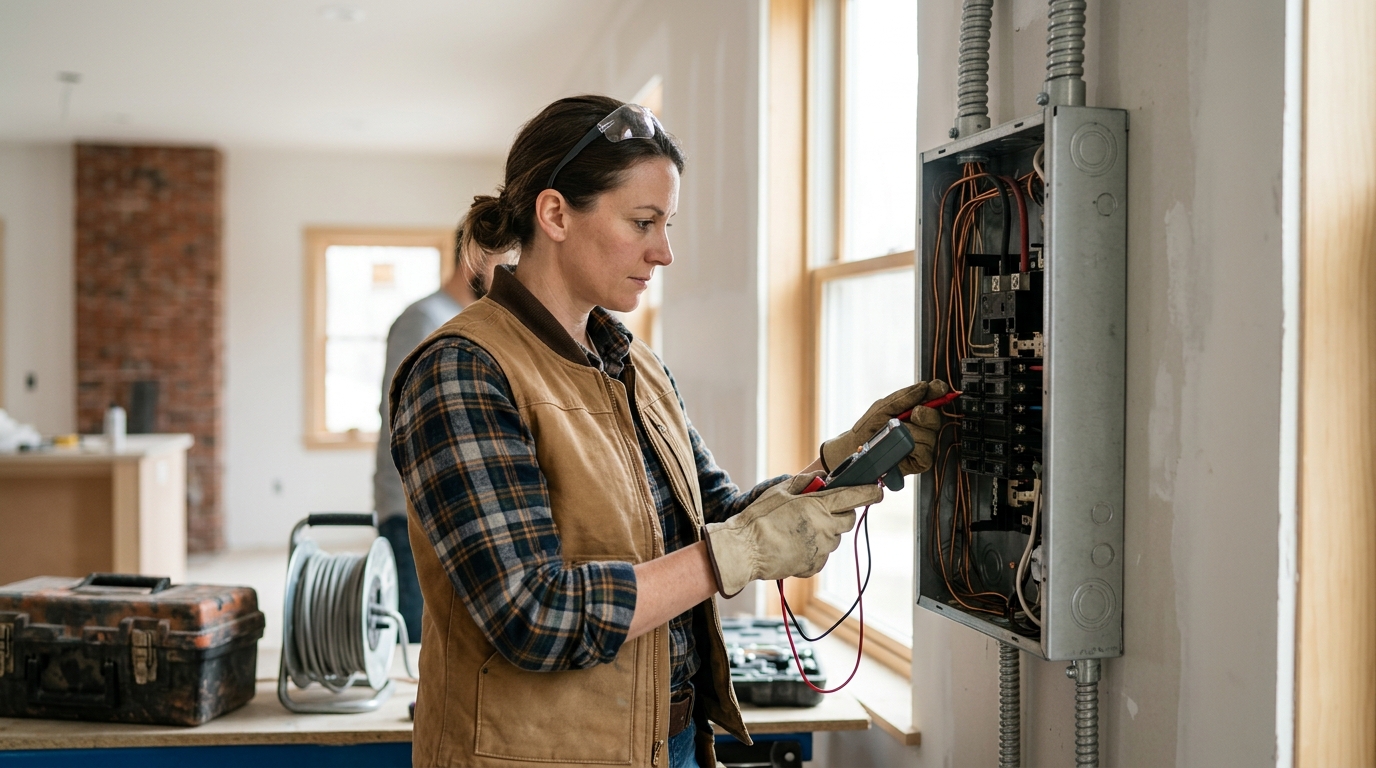
One of the most critical aspects of safety compliance is the use of proper personal protective equipment (PPE). Electricians must wear insulated gloves, safety glasses, and other gear appropriate for the task. Additionally, they must follow lockout/tagout procedures to ensure that power is disconnected before working on live circuits.
Another key component of safety is the proper grounding of electrical systems. Grounding provides a path for electrical current to flow safely to the earth in the event of a fault. This prevents electrical shocks and reduces the risk of fire. Electricians must ensure that all grounding connections are secure and meet code requirements.
Regular inspections are also part of safety compliance. Licensed electricians must ensure that all work passes inspection by the local building department. This process verifies that the installation meets all safety standards and is safe for use. Failure to pass inspection can result in costly rework and delays.
Insurance and Liability Standards
Professional electricians in Upstate New York are required to carry specific insurance coverage to protect both themselves and their clients. This insurance is a critical component of the licensing process and ensures that clients are not left liable for accidents or damages.
General Liability Insurance is the most common type of coverage. It protects against claims of property damage or bodily injury caused by the electrician's work. For example, if an electrician accidentally damages a client's wall while installing a fixture, this insurance would cover the repair costs. Without this coverage, the client could be held financially responsible for the damage.
Workers' Compensation Insurance is also required by law in New York State. This insurance provides benefits to employees who are injured on the job. It protects the employer from lawsuits filed by injured workers. When hiring an electrician, it is important to verify that they carry valid workers' compensation insurance. This ensures that if a worker is injured on your property, you are not held liable for their medical bills.
Professional Liability Insurance, also known as errors and omissions insurance, is another important coverage. It protects against claims of negligence or failure to perform services according to professional standards. This type of insurance is particularly important for master electricians and contractors who design and oversee complex electrical systems.
Service Provider Comparison
When selecting an electrical service provider in Upstate New York, it is important to compare key factors such as licensing, experience, and service offerings. The table below outlines the differences between licensed professionals and unlicensed workers.
| Feature | Licensed Electrician | Unlicensed Worker |
|---|---|---|
| Licensing Status | Verified by NYS Department of Labor | No verification or oversight |
| Insurance Coverage | Liability and Workers' Comp included | Typically none, client assumes risk |
| Code Compliance | Adheres to NEC and local codes | May not follow safety standards |
| Permit Pulling | Authorized to pull permits | Cannot pull permits legally |
| Warranty | Workmanship warranty provided | No formal warranty |
Key Takeaways
- State Regulation: The New York State Department of Labor oversees all electrical licensing in the state.
- Tiered System: Electricians are categorized as journeymen or masters based on experience and examination. (Electrician School in)
- Apprenticeship: A minimum of 8,000 hours of supervised work is required for licensing. (What Are the)
- Code Adherence: All work must comply with the National Electrical Code (NEC) and local amendments.
- Insurance: Licensed contractors must carry general liability and workers' compensation insurance.
- Local Permits: Municipalities in Upstate NY may have additional permit requirements.
- Go Wilson Electric: Our team brings over three decades of combined expertise in construction and power delivery.
Frequently Asked Questions
What is the difference between a journeyman and a master electrician?
A journeyman electrician has completed the required apprenticeship and passed the state exam but works under supervision. A master electrician has held a journeyman license for a specified period and can pull permits and supervise other electricians.
Do I need a permit for electrical work in Upstate NY?
Yes, most electrical work requires a permit from the local building department. Only licensed electricians or contractors can pull these permits.
How can I verify an electrician's license?
You can verify an electrician's license through the New York State Department of Labor or by asking for their license number and insurance certificates.
What happens if I hire an unlicensed electrician?
Hiring an unlicensed electrician can void your home insurance, result in fines, and create safety hazards. You may also be held liable for any injuries or damages.
Is Go Wilson Electric licensed and insured?
Yes, Go Wilson Electric is a licensed and insured electrical contractor serving Upstate New York. We provide free estimates and guarantee quality workmanship. (How much do)
What codes do electricians follow in New York?
Electricians in New York follow the New York State Electrical Code, which is based on the National Electrical Code (NEC). (What Are the)
How long does it take to become a licensed electrician?
It typically takes four to five years to complete the required apprenticeship hours and education to become a licensed journeyman electrician.
Contact Go Wilson Electric
If you are looking for a reliable, licensed, and insured electrical contractor in Upstate New York, Go Wilson Electric is here to help. We offer a wide range of services, including residential and commercial electrical work, generator installation, and security systems. Our team is committed to providing safe, code-compliant, and high-quality electrical solutions.
Contact us today for a free consultation and quote. We look forward to serving your electrical needs with honesty and exceptional attention to detail.
Request Your Free Quote Today