
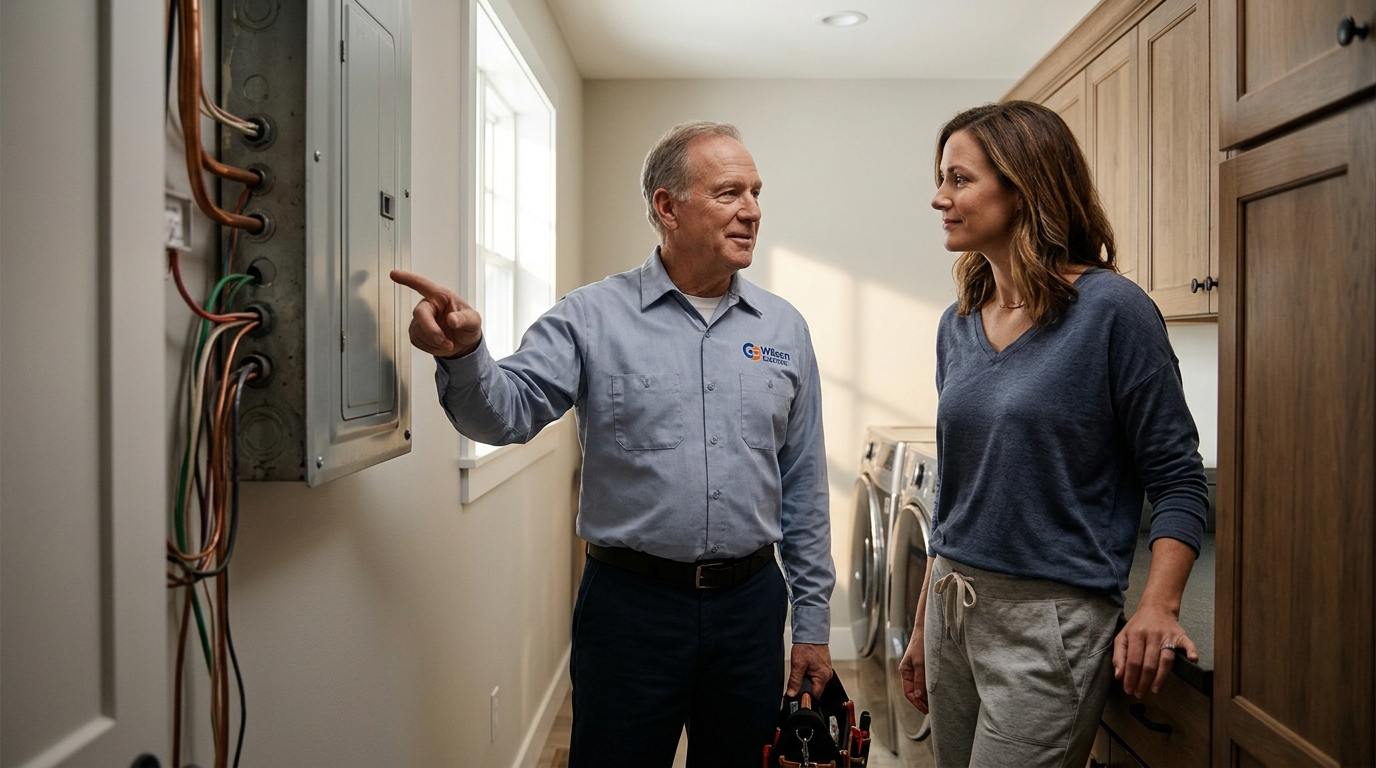
Understanding Electrical Service Capacity
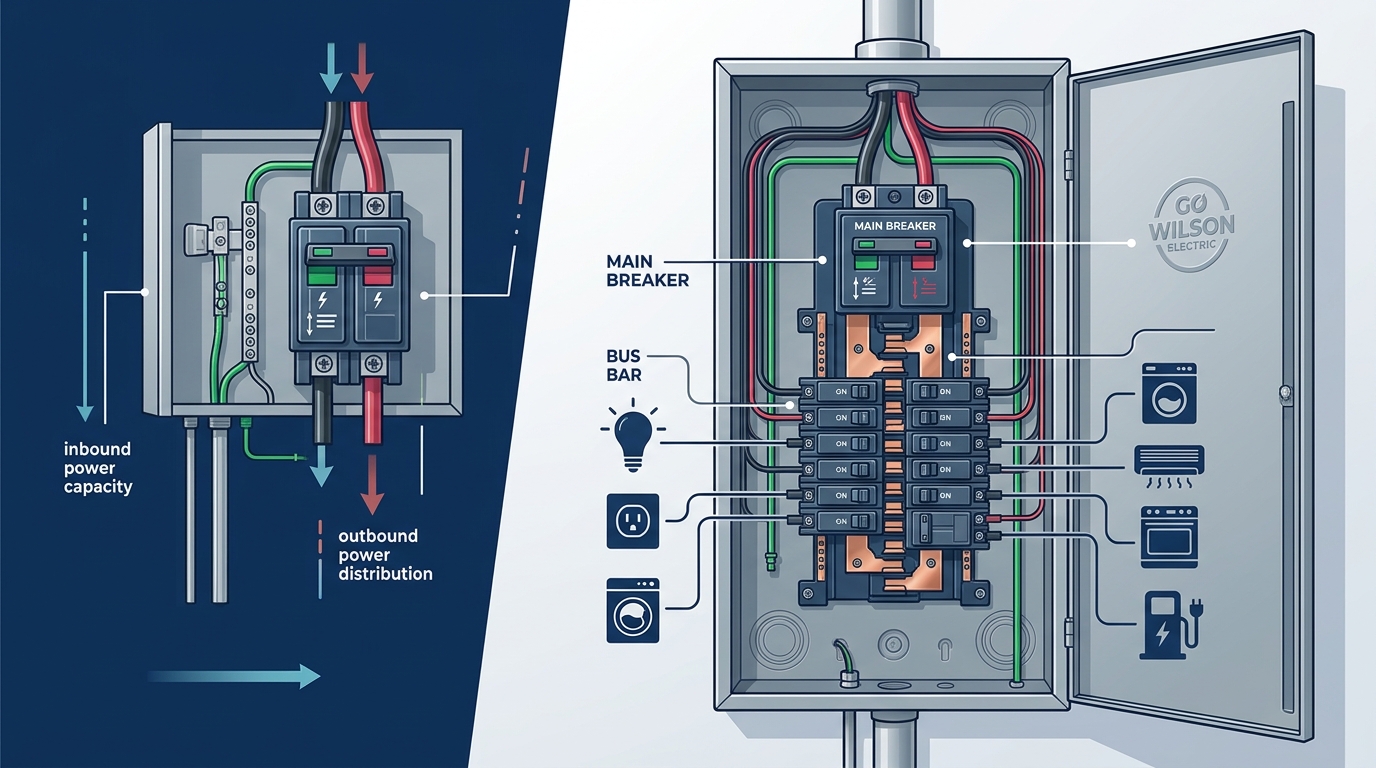
Electrical service capacity is the maximum amount of current your home's main panel can safely deliver. This capacity is measured in amperes (amps) and is determined by the size of your main breaker and the gauge of your service entrance conductors. A standard residential service in the United States is typically 100, 150, or 200 amps. The National Electrical Code (NEC) sets the standards for these installations to ensure safety.
Signs Your Panel Is Overloaded
Overloading your electrical panel is a common issue in homes with outdated service capacity. One of the most obvious signs is frequent tripping of the main breaker or individual circuit breakers. If your breakers trip often, especially when using multiple appliances at once, your panel may not have enough capacity. Another warning sign is flickering lights, which can indicate voltage drops caused by high current draw.
Warm or discolored outlets and switches are also critical indicators of overload. These symptoms suggest that wiring is carrying more current than it is designed to handle, which poses a fire risk. Go Wilson Electric performs thorough inspections to identify these hazards. We look for signs of stress on your electrical system to ensure your home remains safe. Addressing these issues early prevents costly damage and potential electrical fires.
Calculating Your Home's Power Needs
Calculating your home's power needs involves adding up the wattage of all your major appliances and dividing by the voltage. In the United States, standard residential voltage is 120 volts for general circuits and 240 volts for large appliances. To estimate your total load, list your appliances and their wattage. For example, a 5,000-watt electric range and a 4,500-watt water heater require significant capacity.
Benefits of Upgrading to 200 Amps
Additionally, a 200-amp service supports the growing trend of electric vehicles and home battery storage. These technologies require significant power, which older 100-amp services cannot handle. Go Wilson Electric specializes in these upgrades, ensuring compliance with local codes and safety standards. We use high-quality materials and best practices to deliver a durable and efficient electrical system. An upgrade is an investment in your home's safety and functionality.
Key Takeaways
- Frequent breaker trips and flickering lights are signs of an overloaded panel.
- Older homes with 100-amp services may need upgrades to handle modern energy demands.
- Calculating your total wattage helps determine the appropriate amperage for your home.
- Upgrading to 200 amps improves reliability, safety, and home value.
- Go Wilson Electric provides expert assessments and upgrades for Upstate New York homeowners.
Frequently Asked Questions
What is the standard amperage for a new home?
The standard amperage for a new home in the United States is 200 amps. This capacity is designed to handle the electrical loads of modern appliances and systems.
Can I upgrade my 100-amp panel to 200 amps?
Yes, you can upgrade your 100-amp panel to 200 amps. This process involves replacing the main breaker, service entrance conductors, and potentially the panel itself.
How do I know if my home needs an electrical upgrade?
If you experience frequent breaker trips, flickering lights, or warm outlets, your home may need an electrical upgrade. A professional inspection can confirm this.
Is a 200-amp service necessary for an electric vehicle charger?
Yes, a 200-amp service is generally necessary for a Level 2 electric vehicle charger. These chargers draw significant power, which requires a higher capacity service.
Who should I call for an electrical panel assessment?
You should call a licensed electrician for an electrical panel assessment. Go Wilson Electric offers free estimates and expert consultations for homeowners in Upstate New York. Learn more: About Go Wilson Electric.