
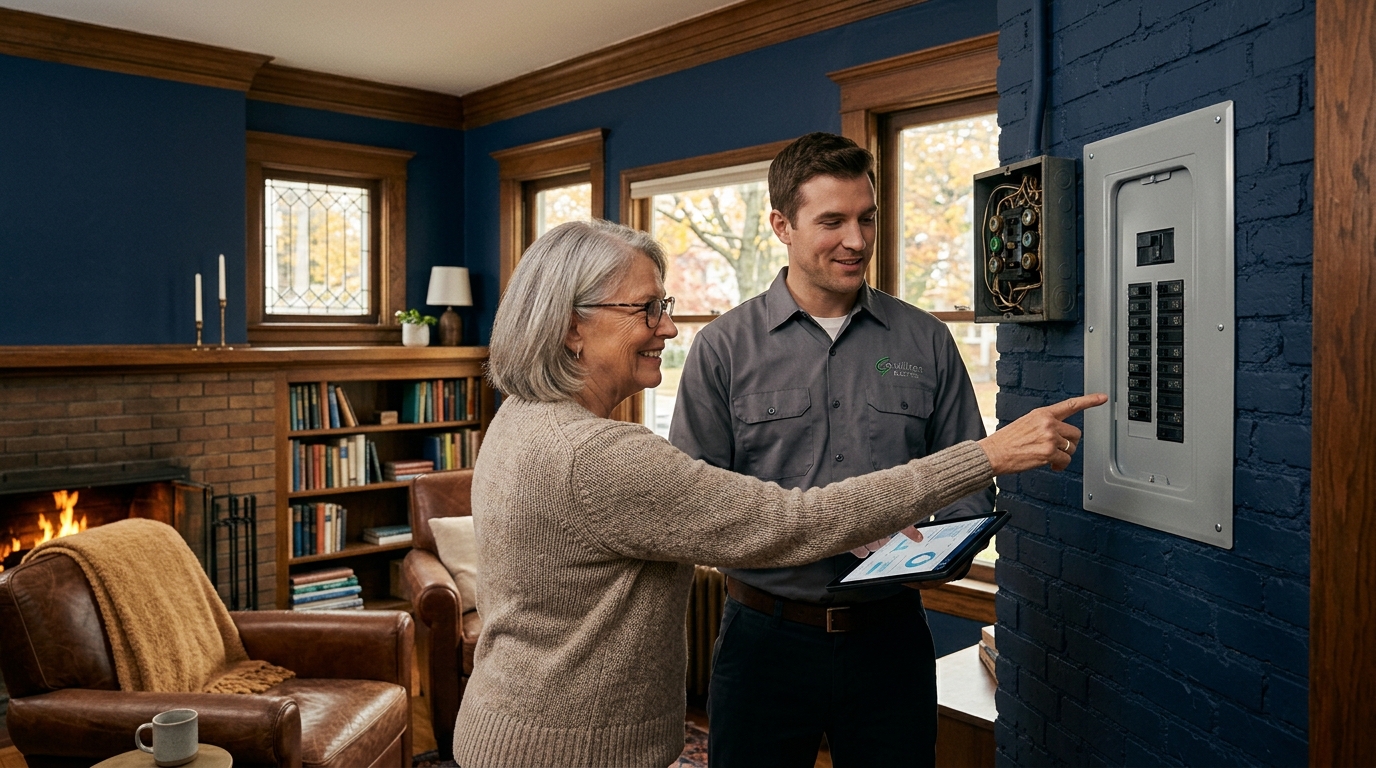
Old homes in Rochester can be updated for electrical safety by replacing outdated wiring, upgrading service panels, and installing modern protection devices. Go Wilson Electric provides these essential services to ensure your property meets current safety standards. This guide covers grounding systems, GFCI/AFCI protection, panel upgrades, inspections, and aluminum wiring hazards. For additional details, review the Just a moment.
Grounding Systems
Grounding systems are electrical safety mechanisms that direct fault current safely into the earth. In older Rochester homes, grounding may be missing or improperly connected. A proper grounding system protects occupants from electric shock and prevents equipment damage. It also ensures that circuit breakers trip correctly during a fault. For additional details, review the .
Why Grounding Matters in Historic Homes
Many pre-1970 homes in Upstate New York were built before grounding became a standard code requirement. These homes often lack a dedicated ground wire in their outlets. Without grounding, a short circuit can energize metal appliance housings, creating a severe shock hazard. Go Wilson Electric assesses existing grounding infrastructure to determine if it meets modern safety codes. For additional details, review the Customer Experience.
Common Grounding Deficiencies
Homeowners may notice that their outlets have only two slots instead of three. This indicates a lack of grounding. Additionally, the main service panel may not be properly bonded to the grounding electrode system. These deficiencies can lead to unstable voltage and increased fire risk. Professional assessment is required to identify and correct these issues safely.
GFCI and AFCI Protection
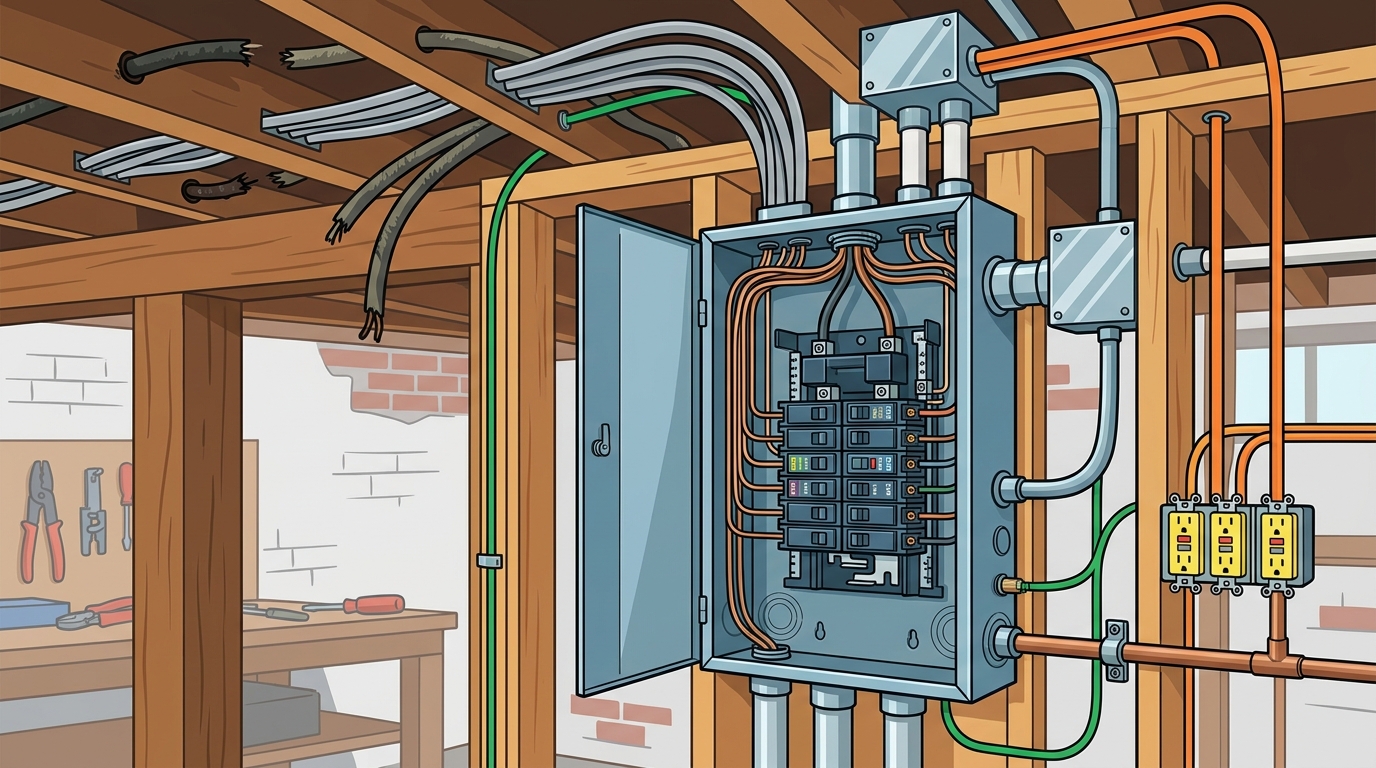
GFCI and AFCI protection are specialized circuit breakers and outlets designed to prevent electrical fires and shocks. Ground Fault Circuit Interrupters (GFCIs) detect current imbalances and shut off power within milliseconds. Arc Fault Circuit Interrupters (AFCIs) detect dangerous electrical arcs that can ignite surrounding materials. Both devices are critical for modern electrical safety in older homes.
Understanding GFCI Devices
A GFCI is a device that monitors the current flowing through the hot and neutral conductors. If it detects a difference, indicating current is leaking to ground, it interrupts the circuit. This protection is mandatory in wet locations such as kitchens, bathrooms, and basements. Installing GFCIs in these areas significantly reduces the risk of electrocution.
Understanding AFCI Devices
An AFCI is a breaker that identifies the unique electrical signature of an arc fault. Arcs can occur due to damaged insulation or loose connections. Unlike standard breakers, AFCIs can detect these low-level arcs before they cause a fire. The National Electrical Code requires AFCI protection for most residential branch circuits. This requirement is especially important in older homes with aging wiring.
Panel Upgrades
Signs Your Panel Needs Upgrading
Benefits of a Modern Panel
A modern panel provides better protection and easier maintenance. It allows for the addition of new circuits as needed. Modern breakers are more reliable and safer than older fuses or breakers. A panel upgrade is a foundational step in any electrical safety renovation. It ensures that all other safety devices function correctly.
Electrical Inspections
Electrical inspections are comprehensive evaluations of a home's electrical system. They identify code violations, safety hazards, and capacity issues. For older homes in Rochester, inspections are crucial before selling, buying, or performing renovations. A thorough inspection provides a roadmap for necessary repairs and upgrades.
What an Inspection Covers
A professional inspection examines the service entrance, panel, wiring, outlets, and grounding. The inspector checks for damaged insulation, loose connections, and overloaded circuits. They also verify that all devices meet current National Electrical Code requirements. The resulting report details any deficiencies and recommended corrective actions.
When to Schedule an Inspection
Homeowners should schedule an inspection when purchasing an older home. It is also wise to inspect before major renovations or when experiencing electrical issues. Regular inspections every few years can prevent minor issues from becoming major hazards. Go Wilson Electric offers detailed inspection services tailored to the unique challenges of Upstate New York homes.
Outdated Wiring Replacement
Outdated wiring replacement involves removing old, degraded electrical cables and installing new, code-compliant wiring. Older homes may have cloth-insulated wiring or aluminum conductors that are no longer safe. Replacing this wiring eliminates fire risks and improves the reliability of your electrical system.
Identifying Outdated Wiring
Cloth-insulated wiring is common in homes built before the 1960s. It is brittle and prone to cracking, exposing live conductors. Aluminum wiring, used in the 1960s and 1970s, can overheat at connections. Both types of wiring pose significant fire hazards. Visual inspection and electrical testing can identify these outdated materials.
The Replacement Process
Replacing outdated wiring is a major project that requires careful planning. It often involves opening walls and ceilings to access the existing cables. The new wiring must be properly sized and protected. Go Wilson Electric manages the entire process, from planning to final testing, ensuring minimal disruption to your home.
Electrical Panel Upgrades
Electrical panel upgrades are similar to general panel upgrades but focus specifically on the main service equipment. This section details the technical aspects of replacing the main panel. It covers the transition from fuses to breakers and the increase in amperage capacity.
Amperage Considerations
Most modern homes require a 200-amp service. Older homes may have 60-amp or 100-amp services. Upgrading to 200 amps allows for the use of electric vehicles, central air conditioning, and other high-draw appliances. The upgrade involves replacing the main breaker, panel, and potentially the service conductors. This ensures that the entire system can handle the increased load safely.
Code Compliance
GFCI and AFCI Protection Installation
GFCI and AFCI protection installation is the process of adding these safety devices to your electrical system. This can be done at the panel level or at individual outlets. Proper installation ensures that the devices function correctly and provide the intended protection.
Panel-Level Installation
Installing AFCI breakers in the panel provides protection for entire circuits. This is the most effective way to protect against arc faults. GFCI breakers can also be installed at the panel for specific circuits, such as those in bathrooms or kitchens. This approach is often more cost-effective than replacing every outlet in the home.
Outlet-Level Installation
Replacing standard outlets with GFCI outlets is a common upgrade. This is required in wet locations and within six feet of sinks. GFCI outlets are easy to install and provide immediate protection. They are a simple yet effective way to improve safety in older homes. Go Wilson Electric can install these devices quickly and efficiently.
Grounding and Bonding
Grounding and bonding are two distinct but related electrical safety concepts. Grounding connects the electrical system to the earth, while bonding connects all non-current-carrying metal parts to the grounding system. Both are essential for a safe electrical installation.
The Role of Bonding
Bonding ensures that all metal components, such as water pipes and gas lines, are at the same electrical potential. This prevents voltage differences that could cause shocks or fires. In older homes, bonding may be incomplete or missing. Correcting bonding issues is a critical part of any electrical safety upgrade.
Verifying Grounding and Bonding
Professional electricians use specialized tools to verify grounding and bonding. They measure resistance and continuity to ensure proper connections. If deficiencies are found, they can be corrected by adding new conductors or improving existing connections. Go Wilson Electric performs these tests as part of their comprehensive safety assessments.
Aluminum Wiring Hazards
Aluminum wiring hazards stem from the physical properties of aluminum. Aluminum expands and contracts more than copper when heated. This movement can loosen connections over time, leading to overheating and fire. Aluminum wiring was widely used in the 1960s and 1970s but is no longer recommended for residential use.
Identifying Aluminum Wiring
Aluminum wiring is typically silver in color and marked with the letter "A" or "AL." It is often found in homes built between 1965 and 1975. If you suspect your home has aluminum wiring, it is important to have it inspected. Do not attempt to repair aluminum wiring yourself, as improper connections can be dangerous.
Solutions for Aluminum Wiring
Professional Inspection Requirements
Professional inspection requirements ensure that electrical work is performed safely and in compliance with codes. In New York, electrical work must be performed by licensed electricians. Inspections are required for new installations, major modifications, and safety upgrades. These inspections protect homeowners and ensure the integrity of the electrical system.
Licensing and Certification
Electricians in New York must hold a valid license to perform electrical work. This license ensures that they have the knowledge and skills to work safely. Go Wilson Electric employs licensed professionals who are familiar with local codes and regulations. Working with a licensed electrician ensures that your electrical upgrades are done correctly and legally.
Permits and Inspections
Many electrical projects require permits. The permit process ensures that the work is inspected by a local authority having jurisdiction. This inspection verifies that the work meets code requirements. Go Wilson Electric handles the permit process for you, ensuring that all inspections are scheduled and passed. This saves you time and hassle.
Key Takeaways
- Grounding systems are essential for preventing electric shock and equipment damage in older homes.
- GFCI and AFCI protection are critical for preventing electrical fires and shocks in wet locations and branch circuits.
- Electrical inspections provide a comprehensive assessment of your home's electrical system and identify safety hazards.
- Outdated wiring, such as cloth-insulated or aluminum, should be replaced or modified to eliminate fire risks.
- Grounding and bonding ensure that all metal components are at the same electrical potential, preventing shocks.
- Aluminum wiring poses significant fire hazards due to thermal expansion and should be addressed by a professional.
- Professional inspections and licensed electricians are required to ensure that electrical work meets code requirements.
Frequently Asked Questions
What is the most common electrical hazard in old Rochester homes?
The most common electrical hazard in old Rochester homes is outdated wiring, particularly cloth-insulated or aluminum wiring. These types of wiring are prone to degradation and overheating, posing a significant fire risk. Replacing or modifying this wiring is a critical step in improving electrical safety.
Do I need to replace my entire electrical panel?
You may need to replace your entire electrical panel if it is obsolete, damaged, or lacks the capacity for your current electrical loads. Panels rated for less than 100 amps or those from defective brands like Federal Pacific should be replaced. A professional inspection can determine if a panel upgrade is necessary.
What is the difference between GFCI and AFCI protection?
GFCI protection detects current imbalances and prevents electric shock, while AFCI protection detects arc faults and prevents electrical fires. GFCIs are required in wet locations, while AFCIs are required for most residential branch circuits. Both devices are essential for a safe electrical system.
How much does it cost to upgrade the electrical system in an old home?
The cost of upgrading the electrical system in an old home varies depending on the scope of the work. A panel upgrade may cost a few thousand dollars, while replacing all wiring can cost significantly more. A professional inspection can provide a detailed estimate based on your specific needs.
Is aluminum wiring safe if I use special connectors?
How often should I have my electrical system inspected?
It is recommended to have your electrical system inspected every few years, especially if you live in an older home. More frequent inspections may be necessary if you experience electrical issues or plan major renovations. Regular inspections can identify potential problems before they become serious hazards.
Can I install GFCI outlets myself?
While it is possible to install GFCI outlets yourself, it is recommended to hire a licensed electrician. Proper installation is crucial for the device to function correctly. A licensed electrician can ensure that the installation meets code requirements and provides the intended protection. Go Wilson Electric can install GFCI outlets quickly and safely.
What are the signs that my home needs a panel upgrade?
Conclusion
Updating old homes in Rochester for electrical safety is a critical investment in your property and your family's well-being. By addressing grounding systems, installing GFCI and AFCI protection, and upgrading panels and wiring, you can significantly reduce the risk of electrical fires and shocks. Go Wilson Electric is committed to providing safe, reliable, and high-quality electrical solutions to customers in Upstate New York. To schedule an inspection or discuss your electrical upgrade needs, contact Go Wilson Electric today.