
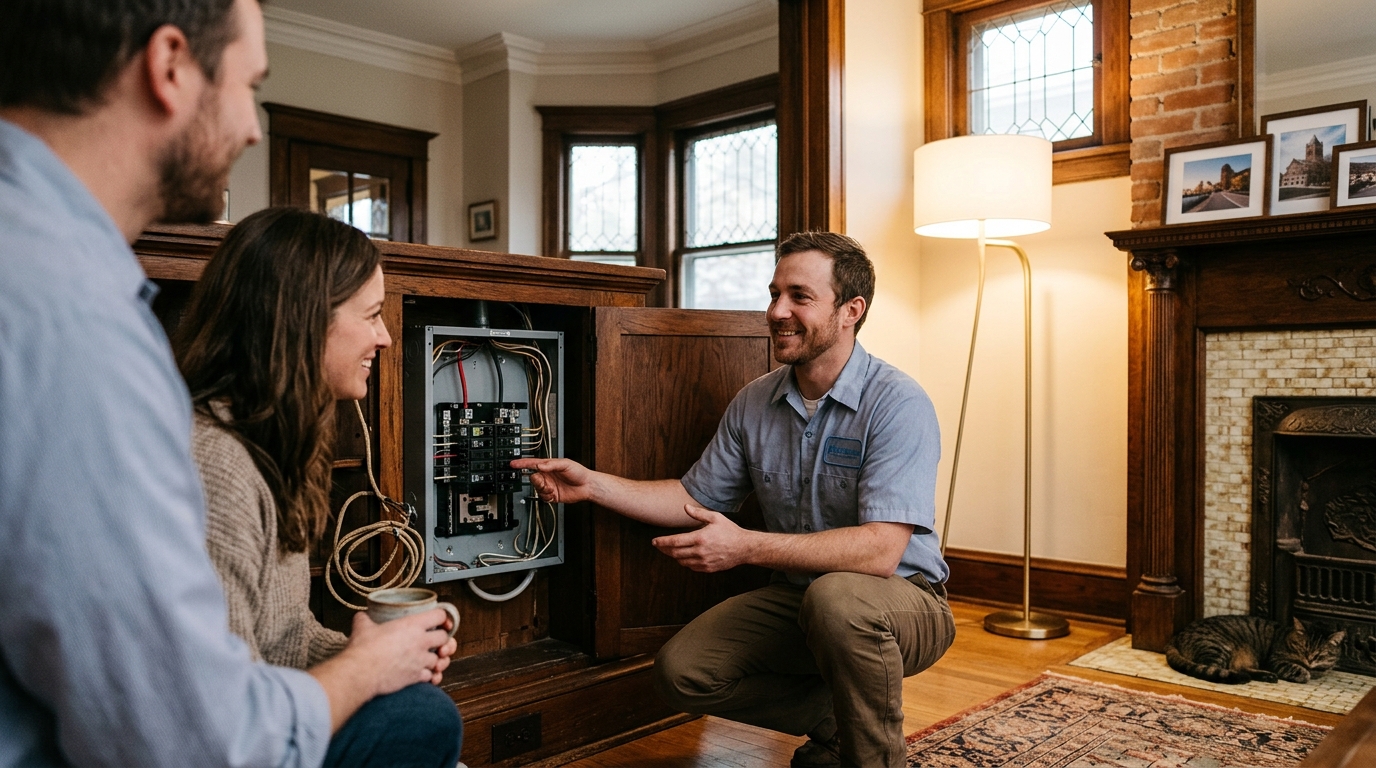
Old homes in Rochester can be made safe by replacing outdated wiring, upgrading electrical panels to 200 amps, and installing modern GFCI and AFCI protection. This guide covers the essential steps for homeowners to modernize their electrical systems. It details grounding, bonding, and inspection requirements specific to Upstate New York properties.
Grounding Systems
Electrical grounding is the process of connecting a building's electrical system to the earth to dissipate excess voltage. In older Rochester homes, the grounding system may be missing or improperly connected. A proper grounding system protects occupants from electric shock and prevents equipment damage during power surges. Without a solid ground, fault currents have no safe path to travel, creating a severe fire hazard. For additional details, review the .
Identifying Grounding Deficiencies
Homeowners should look for signs of poor grounding, such as tingling sensations when touching appliances. Outlets that lack a ground pin are a common issue in pre-1960s construction. These deficiencies are often hidden behind walls, making professional assessment necessary. Go Wilson Electric can evaluate your home's grounding integrity during a service visit.
GFCI and AFCI Protection
Ground Fault Circuit Interrupter (GFCI) protection is a safety device that monitors current flow and shuts off power if it detects a leak to ground. Arc Fault Circuit Interrupter (AFCI) protection is a device that detects electrical arcs, which are a leading cause of house fires. Modern electrical codes require both types of protection in specific areas of the home. Installing these devices is one of the most effective ways to reduce electrical fire risks in older properties. For additional details, review the Customer Experience.
Where Protection is Required
GFCI outlets are mandatory in kitchens, bathrooms, garages, and outdoor areas. AFCI protection is required for bedroom circuits and living areas. Older homes often lack these devices entirely. Adding them to existing circuits is a cost-effective safety upgrade that significantly improves home safety.
Panel Upgrades
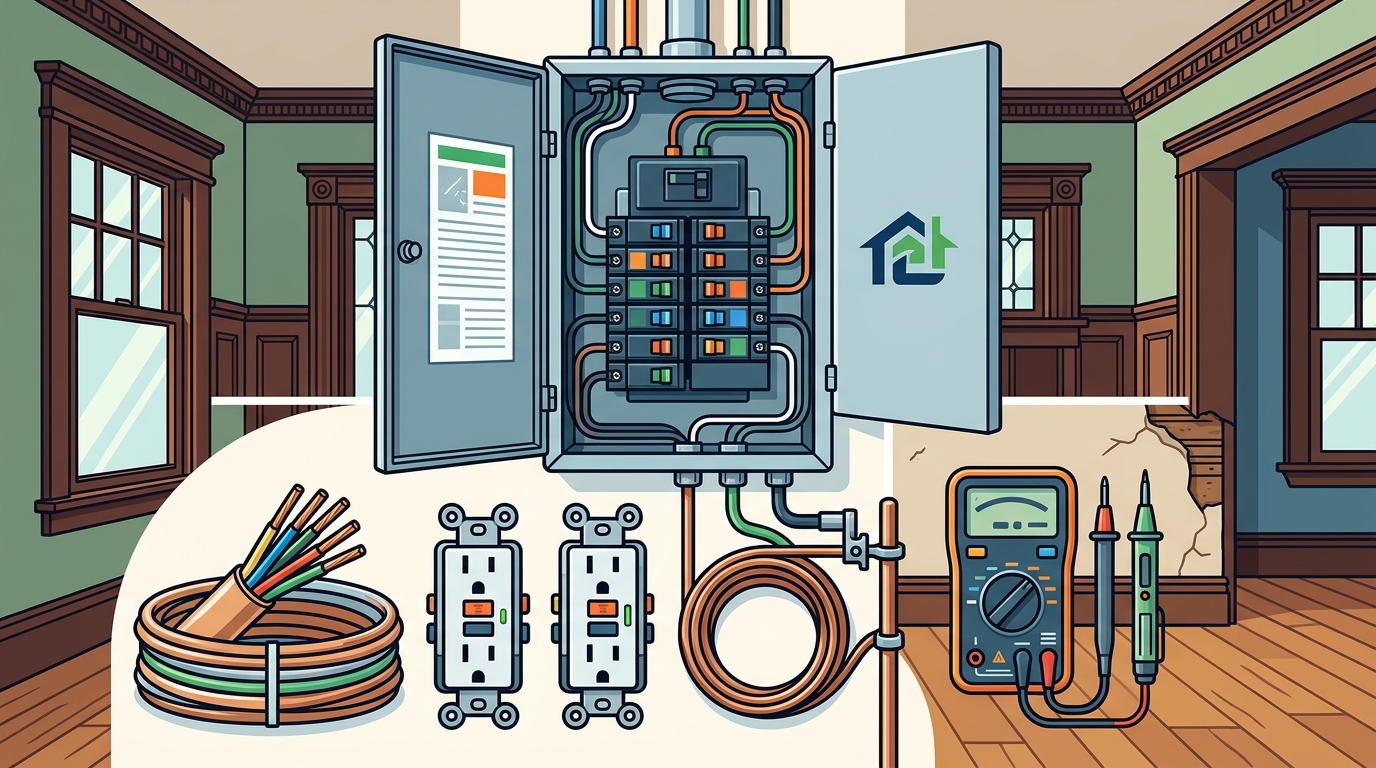
An electrical panel upgrade is the process of replacing an old fuse box or low-capacity breaker panel with a modern, higher-capacity unit. Many homes in Rochester built before the 1980s still have 60-amp or 100-amp panels. These panels cannot safely handle the electrical load of modern appliances, HVAC systems, and electronics. Upgrading to a 200-amp panel ensures your home has enough power for daily life.
Signs Your Panel Needs Replacement
Frequent breaker trips are a primary indicator that your panel is overloaded. Burning smells or warm outlets near the panel are critical warning signs. If your panel has fuses instead of breakers, it is likely obsolete. Replacing the panel is a major project that requires a licensed electrician to ensure code compliance.
Electrical Inspections
An electrical inspection is a comprehensive evaluation of a home's wiring, panel, and grounding systems. For older homes, this inspection identifies hidden hazards that are not visible to the untrained eye. Inspectors check for damaged insulation, loose connections, and code violations. Regular inspections help prevent minor issues from becoming dangerous emergencies.
Benefits of Regular Inspections
Electrical Panel Upgrades
The Upgrade Process
The process begins with a load calculation to determine the required amperage. Next, the utility company is notified to upgrade the meter and disconnects. Finally, the new panel is installed and tested. This is a complex job that requires coordination between the electrician and the utility provider.
Professional Inspection Requirements
Professional inspection requirements mandate that electrical work be performed by licensed electricians. In New York, electrical work is regulated to ensure public safety. Homeowners cannot legally perform major wiring changes or panel upgrades themselves. Hiring a licensed professional ensures that all work meets state and local codes. This protects the homeowner from liability and insurance issues.
Why Licensing Matters
Licensed electricians undergo rigorous training and testing. They understand the specific challenges of older homes, such as knob-and-tube wiring. Their expertise ensures that upgrades are done correctly the first time. Go Wilson Electric employs licensed professionals who are committed to safety and quality.
Outdated Wiring Replacement
Outdated wiring replacement is the process of removing obsolete wiring types and installing modern copper wire. Knob-and-tube wiring, common in pre-1950s homes, lacks a ground wire and is a fire hazard. Cloth-insulated wire is also prone to deterioration over time. Replacing these wires with modern NM (Non-Metallic) cable or individual conductors is essential for safety.
Knob-and-Tube Wiring
Knob-and-tube wiring is difficult to work with and cannot be easily expanded. It is often found in the walls and ceilings of older Rochester homes. Replacing this wiring is a major project that requires opening up walls. However, it is necessary to bring the home up to modern safety standards.
GFCI and AFCI Protection Installation
GFCI and AFCI protection installation involves adding these safety devices to existing circuits. This can be done by replacing standard outlets with GFCI outlets or by installing AFCI breakers in the panel. The installation process requires identifying which circuits need protection. Proper installation ensures that the devices function correctly and provide the intended safety benefits.
Installation Considerations
Not all circuits are suitable for AFCI protection. Some devices, like variable speed motors, can cause false trips. An electrician can determine the best placement for these devices. Correct installation is key to avoiding nuisance tripping while maintaining safety.
Grounding and Bonding
Electrical bonding is the process of connecting all non-current-carrying metal parts of the electrical system to the grounding conductor. This ensures that all metal parts are at the same electrical potential. Bonding prevents shock hazards by ensuring that fault currents flow to the ground. Proper bonding is a critical component of a safe electrical system.
Bonding vs. Grounding
While often used interchangeably, grounding and bonding serve different functions. Grounding connects the system to the earth, while bonding connects metal parts to the grounding system. Both are required by code. A professional can ensure that both systems are correctly installed and maintained.
Aluminum Wiring Hazards
Aluminum wiring hazards arise from the tendency of aluminum to expand and contract with temperature changes. This movement can loosen connections, leading to overheating and fire. Aluminum wiring was commonly used in homes built between 1965 and 1973. It is not recommended for new installations due to these safety concerns. Remediation is required for existing aluminum wiring.
Remediation Options
Aluminum wiring can be remediated by using special connectors or by replacing the wiring entirely. Special connectors, such as COPALUM, create a permanent bond that prevents loosening. Replacing the wiring is more expensive but eliminates the hazard completely. A licensed electrician can assess the best remediation option for your home.
GFCI and AFCI Outlet Protection
GFCI and AFCI outlet protection provides safety at the point of use. GFCI outlets are designed for wet locations and areas where shock risk is higher. AFCI outlets are less common but can be used in specific applications. These outlets provide an additional layer of protection beyond the panel-level devices. Installing them in key areas enhances overall home safety.
Choosing the Right Outlets
Homeowners should choose outlets that are rated for the specific application. Tamper-resistant outlets are required for homes with young children. Weatherproof outlets are necessary for outdoor use. Selecting the right outlets ensures that the protection is effective and durable.
Service Capacity Upgrades
Service capacity upgrades increase the amount of electricity that can be delivered to a home. This involves upgrading the service entrance conductors and the utility disconnect. Most modern homes require a 200-amp service to handle the load. Upgrading the service capacity is often necessary when adding major appliances or HVAC systems. It ensures that the home has enough power for all its needs.
Planning for Future Needs
Homeowners should consider future electrical needs when upgrading. Electric vehicles, heat pumps, and other high-load devices require significant power. Planning for these needs now can save money in the future. A licensed electrician can help you plan for a future-proof electrical system.
Key Takeaways
- Grounding systems are essential for dissipating excess voltage and preventing shock.
- GFCI and AFCI protection are required by modern codes and significantly reduce fire and shock risks.
- Panel upgrades to 200 amps are necessary for most modern homes to handle electrical loads.
- Regular electrical inspections help identify hidden hazards in older homes.
- Outdated wiring, such as knob-and-tube, must be replaced to meet safety standards.
- Aluminum wiring requires remediation to prevent fire hazards.
- Professional inspection and installation by licensed electricians are mandatory for safety and code compliance.
- Service capacity upgrades ensure that the home has enough power for current and future needs.
Frequently Asked Questions
What is the most common electrical hazard in old Rochester homes?
Outdated wiring, particularly knob-and-tube and aluminum, is the most common hazard. These wiring types are prone to deterioration and fire risks. Replacing them is a priority for safety.
Do I need to replace my entire electrical panel?
Not always. If your panel is in good condition but lacks capacity, you may only need to upgrade the service. However, if the panel is old or damaged, replacement is recommended.
How much does an electrical panel upgrade cost?
Costs vary based on the complexity of the job and local labor rates. A 200-amp upgrade is a significant investment but is necessary for modern living. Consult a professional for an accurate estimate.
Is aluminum wiring dangerous?
Yes, aluminum wiring can be dangerous if not properly maintained. It is prone to loosening at connections, which can cause overheating. Remediation is required to make it safe.
What is the difference between GFCI and AFCI?
GFCI protects against electric shock by detecting ground faults. AFCI protects against fires by detecting arcs. Both are required in different areas of the home.
How often should I have an electrical inspection?
It is recommended to have an inspection every 10-15 years, or when you notice issues. More frequent inspections may be needed for very old homes.
Can I install GFCI outlets myself?
While simple outlet replacements may be a DIY task, adding GFCI protection to circuits requires knowledge of electrical codes. It is safer to hire a licensed electrician.
What is a service capacity upgrade?
A service capacity upgrade increases the amperage of your electrical service, usually from 100 to 200 amps. This allows your home to handle more electrical load.
Conclusion
Updating old homes in Rochester for electrical safety is a critical investment in your family's well-being. By addressing grounding, wiring, and panel capacity, you can eliminate significant fire and shock hazards. Go Wilson Electric provides the expertise and licensed professionals needed to complete these upgrades safely and efficiently. today to schedule a consultation and ensure your home is safe for the future.