
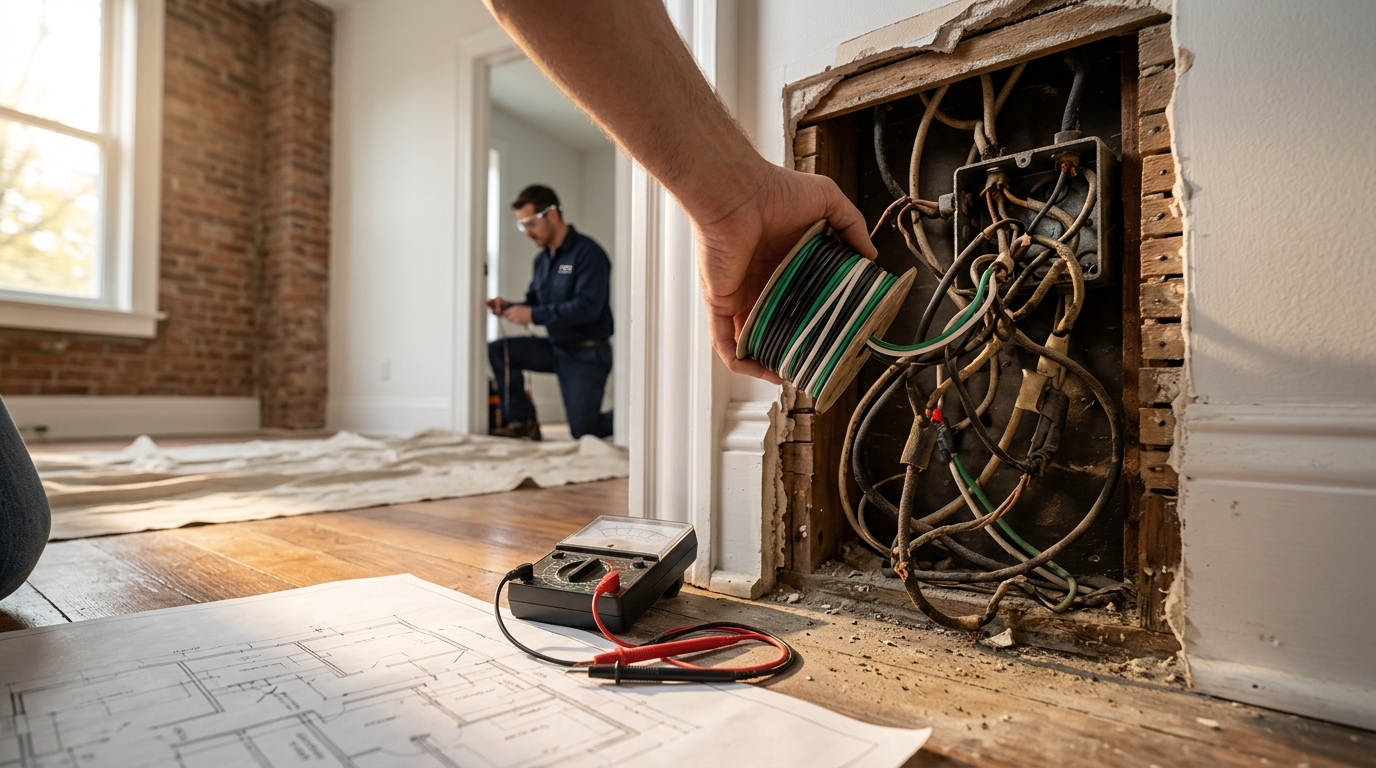
Common Electrical Project Mistakes and How to Avoid Them Before You Start
Electrical work is not a DIY hobby. It is a high-stakes trade where a single oversight can lead to catastrophic property damage, severe injury, or loss of life. According to the National Fire Protection Association, electrical failure is a leading cause of home fires in the United States, accounting for approximately 51,000 fires annually. This statistic underscores why professional intervention is not just a convenience but a necessity for any project beyond a simple bulb replacement. When homeowners attempt to bypass licensed experts, they often encounter hidden complexities that escalate costs and risks exponentially.
Ignoring Local Code Compliance and Permits
One of the most frequent and dangerous mistakes homeowners make is skipping the permitting process. Electrical codes, such as the National Electrical Code (NEC), are updated regularly to reflect new safety standards and technological advancements. In Upstate New York, local amendments to these codes are strictly enforced by municipal inspectors. When you attempt a project without a permit, you risk failing inspection, which can lead to costly rework or even the removal of installed components.
Electrical code is a set of rules designed to minimize the risk of electrical shock, fire, and other hazards. It is not merely bureaucratic red tape but a legally binding safety framework. Licensed electricians stay current with these changes, ensuring that every wire gauge, junction box, and grounding method meets the latest regulatory requirements. Attempting to interpret these codes without professional training often results in subtle violations that are invisible to the untrained eye but dangerous to the home's integrity.
Furthermore, unpermitted work can severely impact your home's insurance coverage. If a fire originates from an unpermitted electrical modification, your insurer may deny the claim, leaving you financially responsible for the entire loss. Always verify the permit requirements for your specific project before purchasing materials. Professional services ensure that all work is documented and inspected, providing you with a legal record of compliance and peace of mind.
Undersized Wiring and Circuit Overloads
Another critical error is using wire that is too thin for the intended load. Electrical current generates heat as it travels through a conductor. If the wire gauge is insufficient for the amperage of the circuit, the wire can overheat, melting its insulation and potentially igniting surrounding materials. This is a common cause of electrical fires in older homes that have been updated with modern high-power appliances without upgrading the wiring.
For example, a standard 15-amp circuit typically requires 14-gauge wire, while a 20-amp circuit requires 12-gauge wire. Using 14-gauge wire on a 20-amp breaker is a fatal mistake because the breaker will not trip before the wire overheats. Proper load calculation is essential to determine the correct wire size for any new installation. This calculation must account for the continuous load of appliances, lighting, and other devices connected to the circuit.
Homeowners often underestimate the power demands of modern electronics. Devices like electric vehicle chargers, hot tubs, and high-capacity HVAC systems require dedicated circuits with specific wire gauges and breaker sizes. Ignoring these requirements can lead to frequent breaker trips, damaged equipment, and dangerous thermal conditions. Always consult a professional to perform a load analysis before installing new high-draw appliances.
Overlooking Panel Capacity and Load Calculations
As homes evolve, their electrical needs grow. A common mistake is adding new circuits to a panel that is already near its maximum capacity. Most residential panels have a main breaker that limits the total amperage the panel can handle, typically 100, 150, or 200 amps. If you add a new circuit without considering the existing load, you risk overloading the panel, which can cause overheating, breaker failures, or even fire.
Load calculation is the process of determining the total electrical demand of a home to ensure the panel can safely support it. This involves summing the amperage of all potential simultaneous loads and applying diversity factors to account for the fact that not all devices will run at full power at the same time. Without a professional load calculation, it is impossible to know if your panel can handle additional circuits.
Upgrading a panel is a complex and dangerous procedure that requires specialized tools and knowledge. It involves disconnecting the main power, replacing the bus bars, and ensuring proper grounding and bonding. Attempting this work without proper training can result in severe electrocution or arc flash injuries. If your home frequently trips breakers or feels warm to the touch near the panel, it may be time for an upgrade. Professional electricians can assess your current capacity and recommend the appropriate upgrade path.
Neglecting GFCI and AFCI Protection Requirements
Ground Fault Circuit Interrupter (GFCI) and Arc Fault Circuit Interrupter (AFCI) breakers are critical safety devices that have become mandatory in many areas of the home. GFCIs are required in wet areas like kitchens, bathrooms, and outdoor outlets to prevent shock hazards. AFCIs are required in living areas to detect dangerous arc faults that can cause fires. Ignoring these requirements is a major safety violation.
A GFCI detects imbalances between the hot and neutral wires, which indicate current leaking to ground, such as through a person. It cuts power in milliseconds to prevent shock. An AFCI detects irregular electrical arcs that can occur in damaged wiring or loose connections, which are common causes of electrical fires. Modern codes require AFCI protection for most bedroom and living area circuits.
Homeowners often overlook the need to upgrade older panels to support AFCI breakers, which require a specific bus bar configuration. Additionally, GFCI outlets must be installed correctly to ensure proper grounding and bonding. Incorrect installation can render these safety devices ineffective, leaving your home vulnerable to shock and fire hazards. Always ensure that all required GFCI and AFCI protections are installed and tested by a licensed professional.
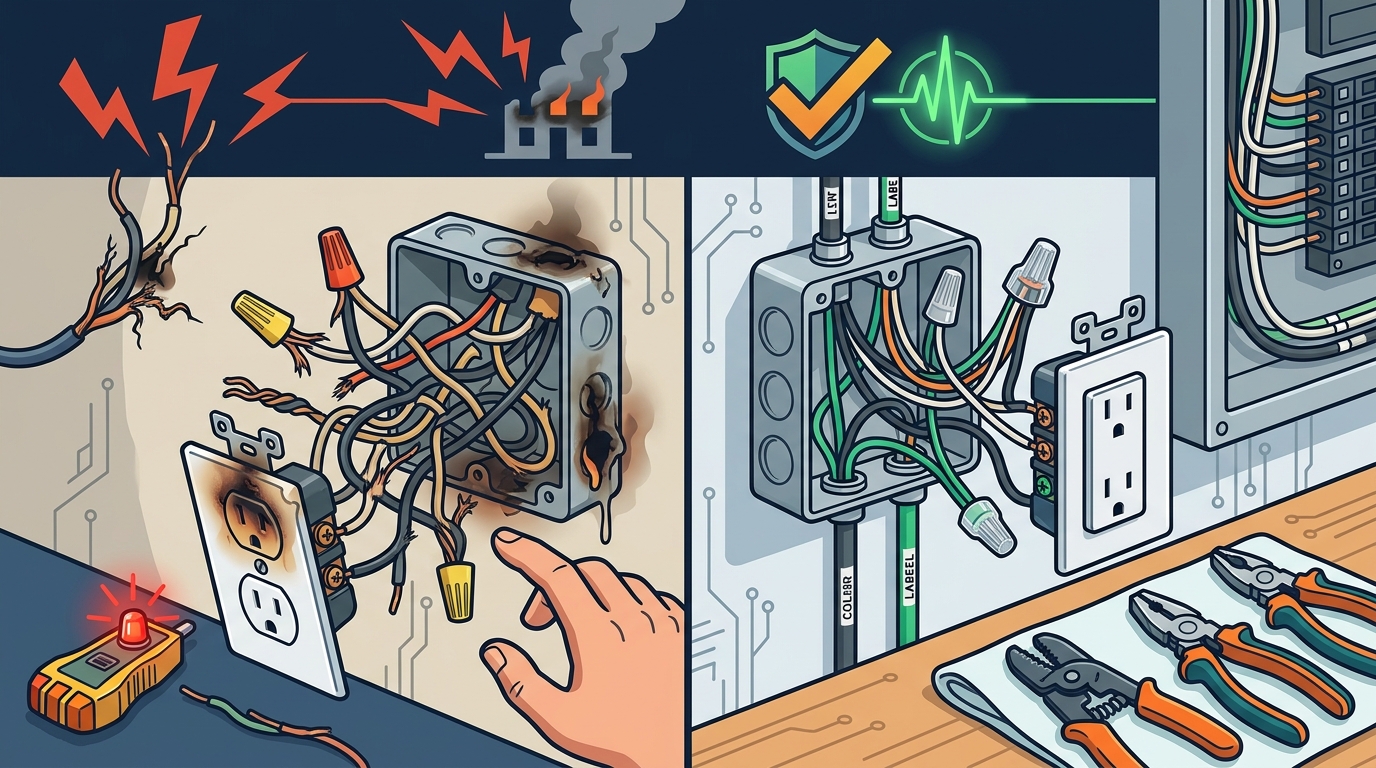
Making Improper Connections and Terminations
Loose or improper wire connections are a leading cause of electrical failures and fires. When wires are not securely terminated in outlets, switches, or junction boxes, they can arc, generating intense heat that melts insulation and ignites nearby materials. This is particularly dangerous in enclosed spaces like walls and attics where heat can accumulate.
Proper termination involves stripping the wire to the correct length, inserting it fully into the terminal, and tightening the screw or clamp to the manufacturer's specified torque. Using wire nuts incorrectly or leaving exposed copper can also lead to short circuits and shock hazards. Additionally, aluminum wiring, common in homes built between 1965 and 1973, requires special connectors and techniques to prevent oxidation and loosening over time.
Homeowners often attempt to splice wires in junction boxes without proper access or protection. Junction boxes must be accessible, properly covered, and contain all connections within them. Hiding splices inside walls or ceilings is a code violation and a significant fire risk. Always use approved junction boxes for any wire splices and ensure they are accessible for future maintenance. Professional electricians use specialized tools to ensure tight, secure connections that meet safety standards.
Mistakes in Solar and Generator Integration
Integrating solar panels or backup generators into a home's electrical system is a complex task that requires specialized knowledge. A common mistake is improper interconnection, which can backfeed power into the utility grid, endangering line workers and damaging equipment. This requires a transfer switch or interlock kit to safely isolate the home from the grid during generator use.
Solar installations also require precise inverter sizing and wiring configurations to maximize efficiency and safety. Incorrect wiring can lead to voltage mismatches, reduced energy production, and potential fire hazards. Additionally, grounding and bonding for solar arrays must meet strict code requirements to protect against lightning strikes and electrical faults.
Generator installations must include proper ventilation, fuel line connections, and automatic transfer switches to ensure seamless power restoration. DIY generator hookups often lack these critical safety features, leading to carbon monoxide poisoning, electrical backfeed, and equipment damage. Professional installation ensures that your solar or generator system integrates safely and efficiently with your home's existing electrical infrastructure.
Key Takeaways
- Electrical failure is a leading cause of home fires, with approximately 51,000 fires reported annually in the US.
- Skipping permits can void home insurance coverage and lead to costly rework during property sales.
- Undersized wiring is a primary cause of electrical fires, especially when upgrading to high-power appliances.
- Panel capacity must be calculated before adding new circuits to prevent overloading and thermal hazards.
- GFCI and AFCI protections are mandatory in many areas and are critical for preventing shock and fire.
- Loose wire connections can arc and generate intense heat, leading to insulation failure and fires.
- Solar and generator integrations require specialized interconnection devices to prevent backfeed and ensure safety.
Frequently Asked Questions
Do I need a permit for electrical work?
Yes, most electrical projects require a permit to ensure compliance with local safety codes. Unpermitted work can lead to fines, failed inspections, and insurance issues.
Can I install a GFCI outlet myself?
While it is technically possible, improper installation can compromise safety. It is recommended to hire a licensed electrician to ensure correct wiring and grounding.
How do I know if my electrical panel is overloaded?
Signs include frequently tripping breakers, warm panels, burning smells, and flickering lights. A professional load calculation can determine if an upgrade is needed.
What is the difference between GFCI and AFCI breakers?
GFCI protects against shock by detecting ground faults, while AFCI protects against fires by detecting arc faults. Both are essential for modern home safety.
Can I add circuits to my existing panel?
It depends on the panel's capacity and available space. A professional assessment is required to determine if your panel can safely support additional circuits.
Why is proper wire sizing important?
Proper wire sizing prevents overheating and fire hazards by ensuring the wire can handle the current load without exceeding its temperature rating.
What are the risks of DIY electrical work?
Risks include electrocution, fire, property damage, and voided insurance coverage. Professional work ensures safety and code compliance.
Schedule Your Professional Consultation
Avoid the risks and costs of electrical mistakes by partnering with experienced professionals. Go Wilson Electric provides licensed, insured, and reliable electrical services for Upstate New York homeowners. From simple repairs to complex solar and generator installations, we ensure your project is done safely and correctly. Contact us today for a free consultation and quote. Visit our services page to learn more about our offerings. Request a quote now to secure your home's electrical safety.