
Common Electrical Mistakes in New Construction Projects and Prevention Strategies
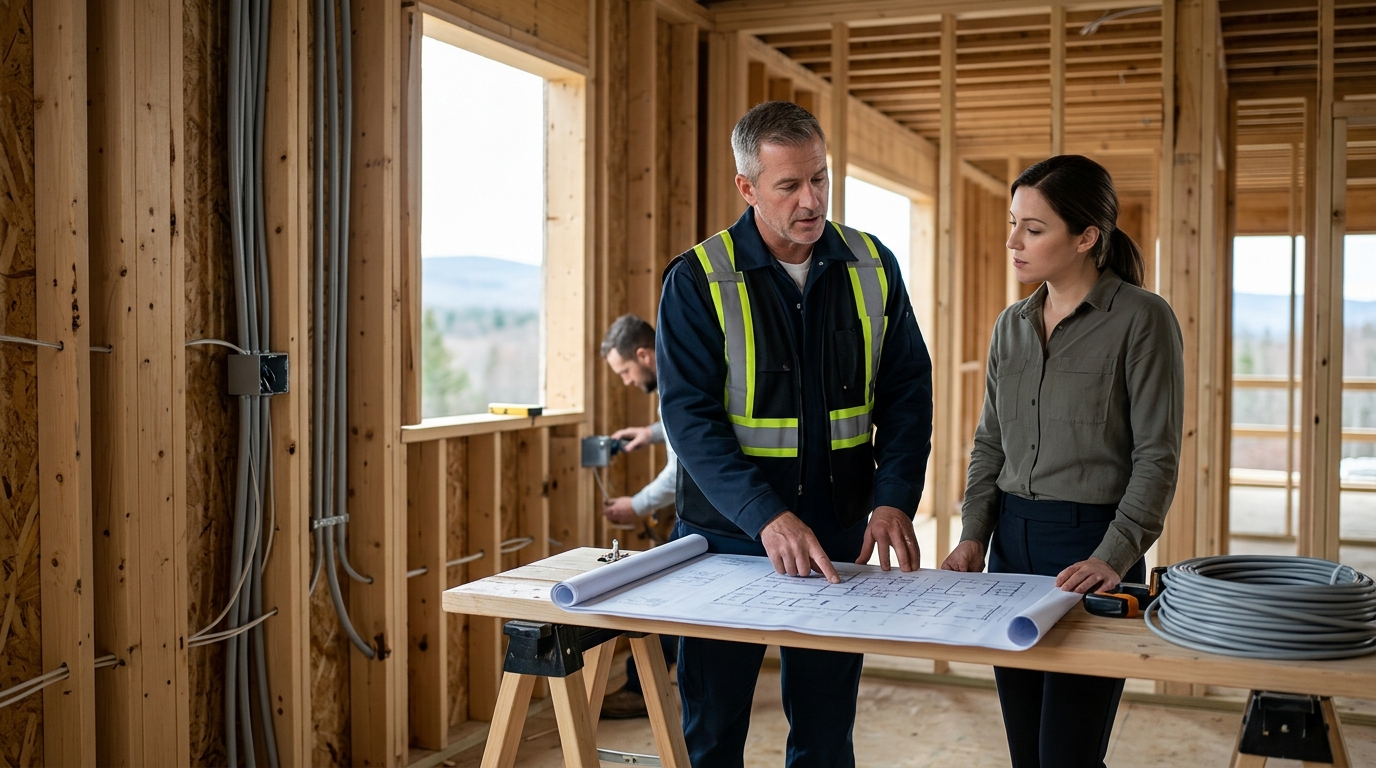
New construction projects often face significant delays and budget overruns due to preventable electrical errors. According to recent industry data, nearly 30% of construction delays are linked to mechanical and electrical system failures, highlighting the critical need for proactive planning. When these issues arise late in the build process, they can disrupt timelines and inflate costs dramatically. This guide outlines the most frequent electrical pitfalls in new builds and provides actionable strategies to avoid them, ensuring your project stays on track and up to code.
Understanding Electrical Load and Panel Sizing
One of the most costly mistakes in new construction is undersizing the main electrical panel. Builders often opt for the minimum code-required amperage, such as a 100-amp service, without accounting for future technological additions. Electrical load is the total amount of power consumed by all devices connected to a circuit. As homes increasingly adopt electric vehicles, heat pumps, and smart appliances, the demand for power grows exponentially.
Installing a 200-amp panel from the start is significantly cheaper than retrofitting later. Retrofitting requires replacing the main service entrance, which involves digging up the foundation or siding, leading to extensive repair costs. Go Wilson Electric recommends upsizing the panel during the rough-in phase to accommodate future growth. This proactive approach ensures your home remains powered safely for decades. For more insights on service upgrades, visit our EV Charger Installation services page.
Strategic Outlet Placement and Accessibility
Outlets are often an afterthought during the framing stage, leading to inconvenient placement. A common error is placing outlets behind large furniture pieces or in areas where they are inaccessible. Outlet placement is the strategic positioning of electrical receptacles to ensure usability and safety. Modern building codes require specific spacing, but best practices go beyond minimums.
Consider the layout of your furniture before finalizing outlet locations. In living rooms, outlets should be placed above potential sofa backs. In kitchens, counter-top outlets need to be spaced every four feet to prevent daisy-chaining extension cords. We also specialize in Security System installations, which require precise outlet placement for cameras and control panels. Proper planning during the rough-in phase prevents the need for unsightly surface-mounted raceways later.
Low-Voltage Wiring and Smart Home Integration
Low-voltage wiring includes data, audio, video, and security systems. These wires are often installed after the electrical rough-in, leading to conflicts with studs and insulation. Low-voltage wiring refers to electrical systems operating at lower voltages, typically 24 volts or less, for data and communication. If these wires are not pulled before drywall is hung, accessing them becomes nearly impossible without damaging finished walls.
Coordinate with your smart home installer early in the process. Run Cat6 or Cat6a ethernet cables to key locations like bedrooms, home offices, and entertainment centers. This future-proofs your home for high-speed internet and smart devices. Go Wilson Electric offers comprehensive Solar Install services, which also require careful low-voltage planning for monitoring systems. Ensure all low-voltage lines are labeled and accessible at the panel.
Code Compliance and Safety Standards
Building codes evolve to address new safety concerns. Ignoring updates like Arc-Fault Circuit Interrupter (AFCI) requirements is a major risk. AFCI is a circuit breaker that shuts off power when it detects the dangerous characteristics of an arc fault. Modern codes require AFCIs in most living areas to prevent electrical fires. Failure to install these during rough-in means adding them later is difficult and expensive.
Another critical compliance issue is Ground-Fault Circuit Interrupter (GFCI) protection. GFCIs are required in wet areas like bathrooms, kitchens, and outdoors. They protect against electrical shock by monitoring current flow. Go Wilson Electric ensures all our Generator Install projects meet the latest NEC standards. Always verify that your electrician is up-to-date with the latest National Electrical Code (NEC) updates. For more on safety, check our About Us page where we highlight our commitment to quality.
Lighting Design and Circuit Allocation
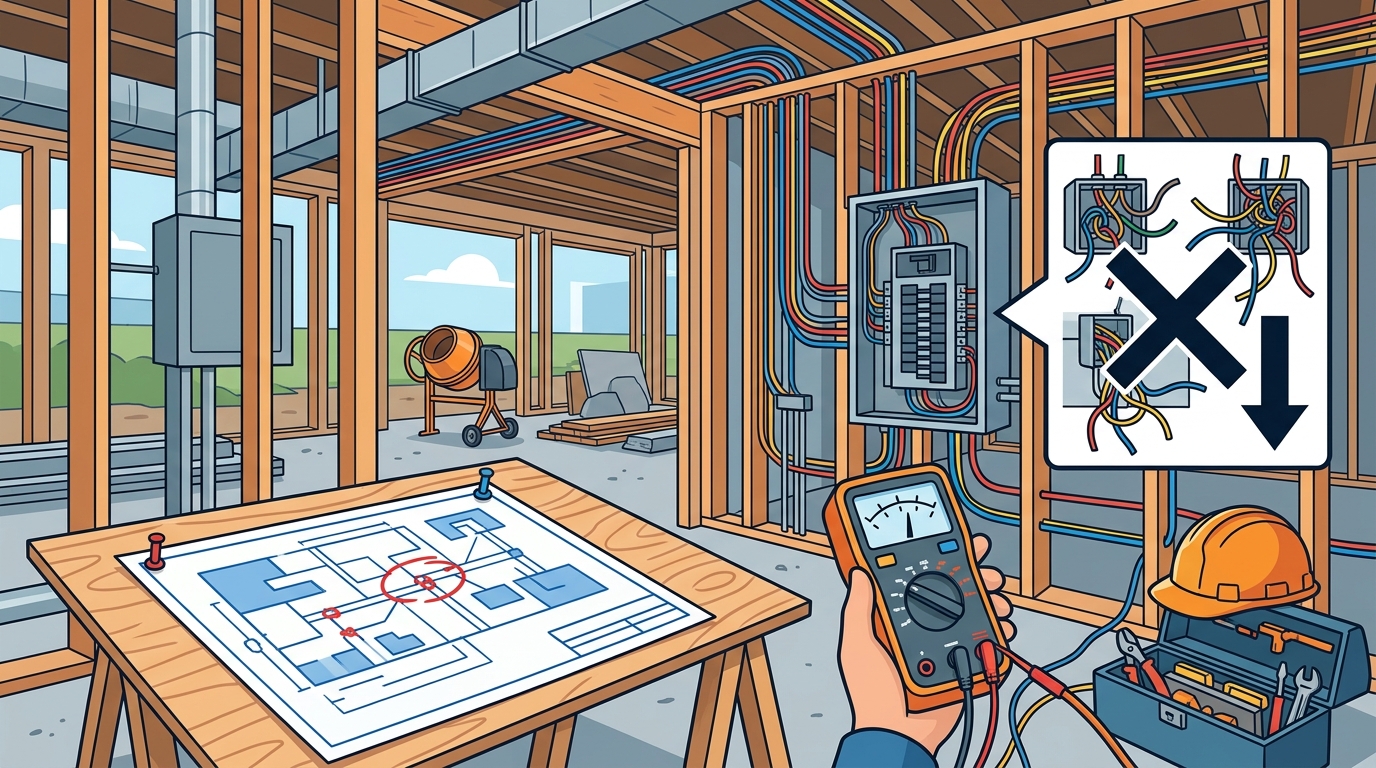
Lighting is often treated as a cosmetic choice rather than a functional requirement. A common mistake is placing too many lights on a single circuit. Circuit allocation is the distribution of electrical circuits to ensure balanced load and prevent overloading. If a circuit is overloaded, it will trip frequently, causing inconvenience and potential fire hazards.
Separate lighting circuits for different areas, such as indoor and outdoor lighting, allow for independent control and easier troubleshooting. Outdoor lighting, including Christmas and Holiday Lighting, requires weather-resistant fixtures and dedicated circuits to prevent moisture-related failures. Plan your lighting layout with a designer or electrician to ensure adequate illumination for tasks and ambiance. This prevents the need for additional plug-in lamps that clutter your space.
Comparison of Common Mistakes vs. Prevention Strategies
| Mistake | Consequence | Prevention Strategy |
|---|---|---|
| Undersized Panel | Inability to add EV chargers or solar | Install 200-amp panel initially |
| Poor Outlet Placement | Inconvenience and extension cord use | Plan around furniture layout |
| Delayed Low-Voltage Wiring | Walls must be opened for repairs | Run wires before drywall |
| Ignoring AFCI/GFCI | Safety hazards and code violations | Install required breakers during rough-in |
| Overloaded Circuits | Frequent tripping and fire risk | Balance load across multiple circuits |
Key Takeaways
- Upsize Your Panel: Install a 200-amp panel to accommodate future EV chargers and solar installations.
- Plan Outlet Locations: Coordinate with interior designers to place outlets behind furniture and in high-use areas.
- Run Low-Voltage Early: Pull data and security wires before drywall installation to avoid costly retrofits.
- Follow Code Updates: Ensure AFCI and GFCI protection is installed in all required areas during rough-in.
- Balance Circuits: Distribute lighting and outlet loads across multiple circuits to prevent overloading.
- Hire Licensed Professionals: Work with licensed and insured electricians like Go Wilson Electric for safe, code-compliant work.
- Document Everything: Keep detailed records of circuit layouts for future maintenance and upgrades.
Frequently Asked Questions
Why is it important to install a larger electrical panel during new construction?
Installing a larger panel, such as 200-amps, is much cheaper during construction than retrofitting later. It allows for future additions like electric vehicle chargers, heat pumps, and solar systems without major structural changes.
What is the difference between AFCI and GFCI breakers?
AFCI (Arc-Fault Circuit Interrupter) protects against electrical fires by detecting arcing faults. GFCI (Ground-Fault Circuit Interrupter) protects against electrical shock by monitoring current flow in wet areas. Both are required by modern building codes in different areas of the home.
When should low-voltage wiring be installed?
Low-voltage wiring for data, security, and audio should be installed during the rough-in phase, before drywall is hung. This ensures wires can be pulled through studs and walls without damaging finished surfaces.
How many outlets should be on a single circuit?
There is no fixed number, but it depends on the wire gauge and breaker size. Generally, a 15-amp circuit can handle multiple outlets, but high-draw devices like microwaves should have dedicated circuits. Go Wilson Electric can help you calculate the correct load for your home.
Can I add solar panels later if I don't plan for them now?
Yes, but it may require upgrading your electrical panel and wiring. Planning for solar during construction, including conduit runs and panel space, makes the installation smoother and less expensive.
What are the benefits of professional electrical planning?
Professional planning ensures code compliance, safety, and future-proofing. It prevents costly mistakes and delays during construction. Go Wilson Electric provides free estimates and expert guidance for new construction projects.
How do I prevent outlet placement issues?
Work with your interior designer and electrician early in the process. Share your furniture layout and appliance plans to ensure outlets are accessible and functional.
Schedule Your Consultation
Avoid the stress and cost of electrical mistakes in your new construction project. Go Wilson Electric offers expert planning and installation services to ensure your home is safe, efficient, and future-ready. Contact us today for a free consultation and quote. Visit our Contact Page to request service or call 585-54-POWER (585-547-6937). We serve Upstate NY and surrounding areas with licensed and insured professionals.