
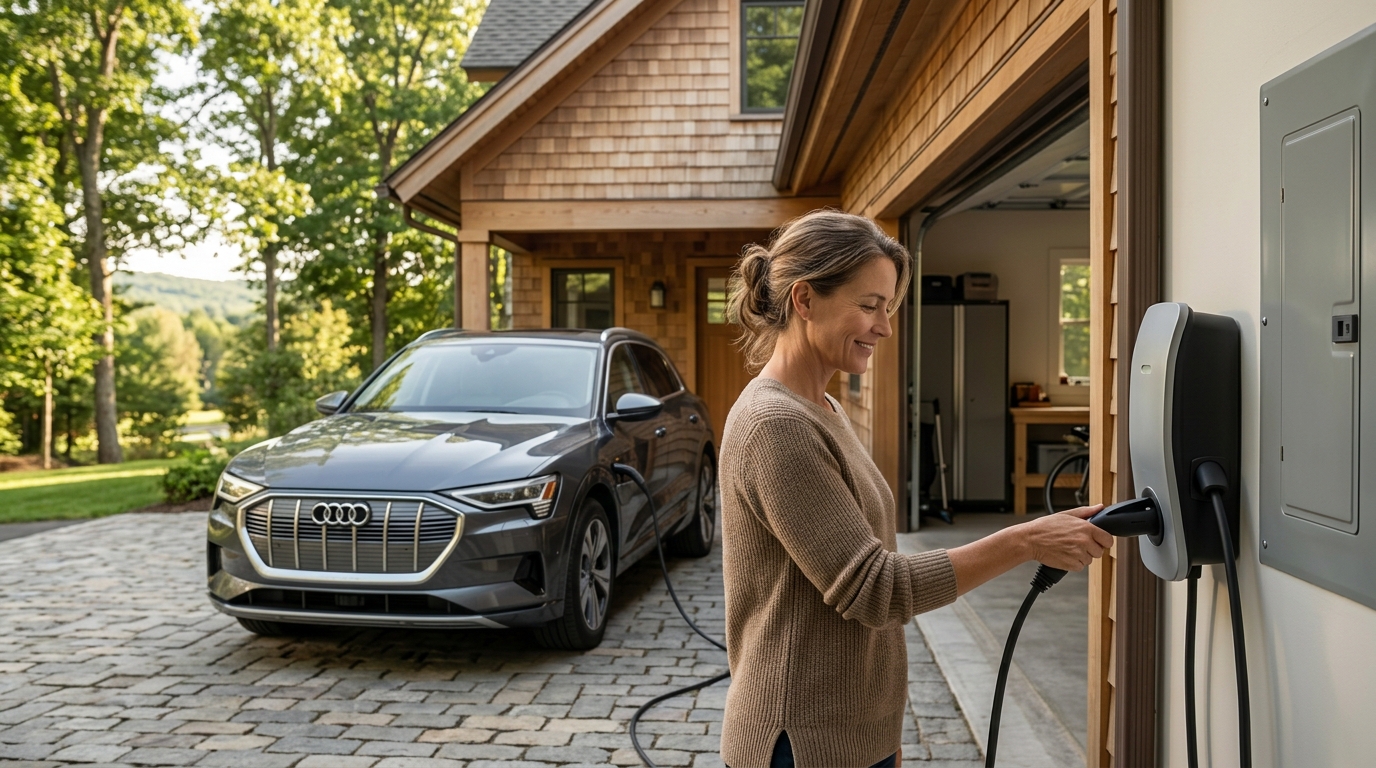
Electric vehicle adoption is accelerating across the Northeast, with New York state reporting a significant surge in EV registrations over the last three years. According to recent industry data, the average household saving on fuel costs can exceed $1,000 annually when switching to home charging. However, realizing these savings requires a safe, code-compliant electrical infrastructure. This guide outlines the critical steps for installing a dedicated EV charger, focusing on the specific needs of Upstate New York homeowners.
Understanding Dedicated Circuits
A dedicated circuit is an electrical pathway that serves only one specific appliance or device. For electric vehicle charging, this is non-negotiable for safety. Dedicated circuit is a power line reserved exclusively for the EV charger, preventing overloads on other household circuits. Unlike standard outlets that might share power with lights or kitchen appliances, an EV charger demands consistent, high-amperage flow.
Most Level 2 chargers require a 240-volt circuit, similar to what powers a large dryer or oven. The amperage typically ranges from 30 to 60 amps. If you attempt to plug a high-power charger into a standard 120-volt outlet, the charging speed drops drastically, often taking days to fully charge a modern EV battery. Furthermore, using a standard outlet for prolonged periods can lead to overheating and fire hazards.
Go Wilson Electric ensures that every dedicated circuit we install meets the National Electrical Code (NEC) standards. We calculate the load carefully to ensure your home's existing wiring can handle the additional demand without tripping breakers or damaging sensitive electronics elsewhere in the house. (Home Go Wilson Electric)
Assessing Panel Capacity
Before any installation begins, a thorough assessment of your electrical panel is required. Many older homes in Upstate New York, particularly those built before the 1990s, have 100-amp service panels that may be near their capacity limit. Adding a 50-amp EV charger to an already loaded panel can cause frequent breaker trips or, worse, system failure.
Load management is the strategic balancing of electrical demand to prevent panel overload during peak usage times. Our licensed electricians perform a detailed load calculation to determine if your panel can support the new charger or if an upgrade is necessary. In some cases, a panel upgrade from 100 amps to 200 amps is the most cost-effective long-term solution for homeowners planning to add more electric appliances, such as heat pumps or hot tubs.
We also evaluate the distance between your electrical panel and the desired charger location. Longer wire runs require thicker gauge cables to prevent voltage drop, which can reduce charging efficiency. Proper sizing of the wire and breaker is essential for maintaining safe and efficient power delivery.
Comparing Charger Types
Choosing the right hardware is the first step in the installation process. Level 1 chargers use a standard 120-volt plug and are typically included with the vehicle. They are slow, adding only a few miles of range per hour. Level 2 chargers require the dedicated 240-volt circuit we install. They are significantly faster, adding 20 to 60 miles of range per hour depending on the amperage.
| Feature | Level 1 Charger | Level 2 Charger | DC Fast Charger |
|---|---|---|---|
| Voltage | 120V | 240V | 480V+ |
| Installation | None (Plug-in) | Dedicated Circuit Required | Commercial Grade |
| Charging Speed | 2-5 miles/hour | 20-60 miles/hour | 100+ miles/20 min |
| Best For | Emergency/Backup | Daily Home Use | Commercial Fleets |
For most Upstate NY residents, a Level 2 charger is the ideal choice. It offers a balance of speed, cost, and ease of installation. Go Wilson Electric can assist with the selection of hardware, ensuring compatibility with your specific EV model and your home's electrical infrastructure.
Smart Charger Features
Modern EV chargers often come with smart capabilities. These devices can connect to Wi-Fi, allowing you to monitor charging status via a smartphone app. Some models offer scheduling features that allow you to set charging times to coincide with off-peak electricity rates. This can lead to significant savings on your monthly utility bill.
When installing these units, we ensure that the necessary network connectivity is available at the installation site. We also verify that the charger's communication protocols are compatible with your home's electrical system to prevent any data or power delivery errors.
The Installation Process
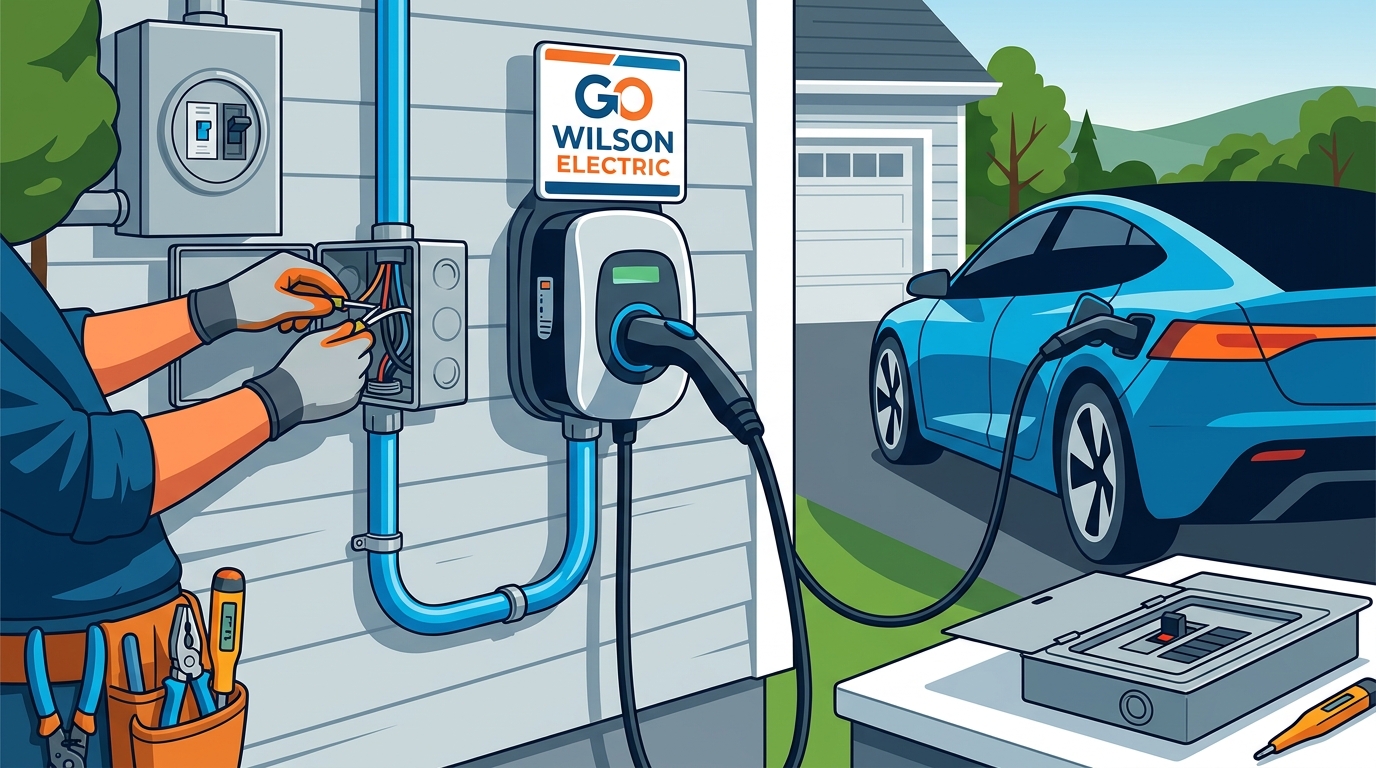
The installation of a dedicated EV charger is a multi-step process that requires precision and adherence to local codes. Go Wilson Electric follows a strict protocol to ensure safety and reliability.
Permitting is the legal authorization required by local municipalities before electrical work can begin. In Upstate New York, most jurisdictions require a permit for new 240-volt circuit installations. Our team handles the permit application process, ensuring that all plans are reviewed and approved by the local building inspector before we start any physical work.
Once the permit is secured, our electricians run the new conduit and wiring from your main panel to the charger location. This involves drilling through walls, cutting drywall, and installing new junction boxes. We use high-quality, weather-resistant materials for outdoor installations to protect against the harsh Upstate NY winters.
After the wiring is complete, we connect the charger to the circuit and test all connections for continuity and grounding. We then perform a final inspection to ensure the system operates correctly. This includes verifying that the breaker trips appropriately during a fault and that the charger communicates properly with the vehicle.
Cost Breakdown and Incentives
The cost of installing a dedicated EV charger varies based on several factors, including the distance from the panel, the complexity of the wiring, and the specific charger model chosen. However, there are financial incentives available that can offset these costs.
The federal government offers a tax credit for the purchase and installation of EV charging equipment. Additionally, New York State and local utility companies often provide rebates for Level 2 charger installations. Go Wilson Electric can help you navigate these incentives, ensuring you receive the maximum financial benefit for your investment.
We provide upfront, transparent pricing with no hidden costs. Our quotes include all labor, materials, permits, and inspection fees. We believe in building long-term relationships with our customers, which is why we offer a $50 referral program for satisfied clients.
Key Takeaways
- Dedicated circuits are mandatory for safe Level 2 EV charging to prevent overloads and fire hazards.
- Panel capacity must be assessed before installation to determine if an upgrade is needed for your home.
- Level 2 chargers offer the best balance of speed and cost for daily home use in Upstate NY.
- Permits are required for most electrical installations, and Go Wilson Electric handles this process for you.
- Financial incentives are available through federal tax credits and local utility rebates.
- Smart charger features can help you save money by scheduling charging during off-peak hours.
- Professional installation ensures safety and compliance with the National Electrical Code.
Frequently Asked Questions
How long does it take to install an EV charger?
A standard installation typically takes one to two days, depending on the complexity of the wiring and the distance from the electrical panel. If a panel upgrade is required, the timeline may extend.
Do I need a permit to install an EV charger?
Yes, most local jurisdictions in Upstate New York require a permit for new 240-volt circuit installations. Go Wilson Electric manages the entire permitting process for you.
Can I install an EV charger myself?
While it is technically possible, installing a 240-volt circuit requires specialized knowledge and tools. Improper installation can lead to serious safety hazards and void your vehicle's warranty. We recommend professional installation.
What is the difference between a Level 1 and Level 2 charger?
Level 1 chargers use a standard 120-volt outlet and are slow. Level 2 chargers use a dedicated 240-volt circuit and charge significantly faster, making them suitable for daily use.
How much does it cost to install an EV charger?
Costs vary based on the distance from the panel and the complexity of the installation. Go Wilson Electric provides free estimates to give you an accurate quote for your specific needs.
Are there rebates available for EV charger installation?
Yes, there are federal tax credits and local utility rebates available. Our team can help you navigate these incentives to maximize your savings.
What should I look for in an EV charger?
Consider the charging speed, smart features, compatibility with your vehicle, and durability. Go Wilson Electric can recommend the best hardware for your home.
Schedule Your Service
Ready to start charging your electric vehicle at home? Contact Go Wilson Electric today for a free consultation and quote. We are licensed, insured, and committed to providing the highest quality electrical solutions in Upstate New York. Request Service to get started.