
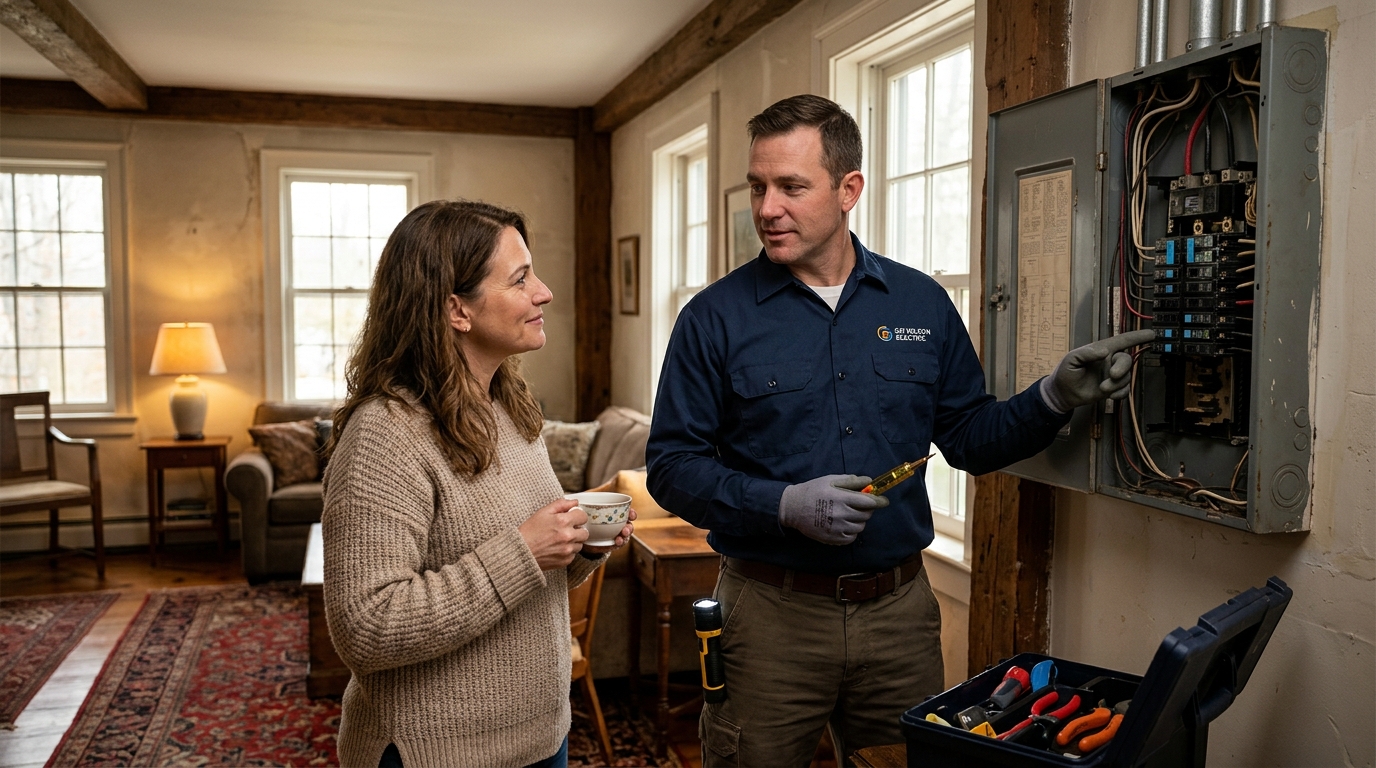
Older homes possess a unique charm, but their aging infrastructure often poses significant risks to modern living. According to the National Fire Protection Association, electrical failure or malfunction is a leading cause of home fires, with older wiring systems being disproportionately represented in these incidents. Upgrading your electrical system is not merely a convenience; it is a critical safety imperative. This guide outlines the essential steps to modernize your home's power delivery while ensuring compliance with current safety standards.
Step 1: Diagnosing Your Current Electrical Health
The first step in any safety upgrade is a professional assessment. Older homes often contain wiring materials that have degraded over decades. Aluminum wiring, common in homes built between the 1960s and 1970s, is prone to oxidation and thermal expansion, which can lead to loose connections and fire hazards. According to the NFPA, homes with aluminum wiring require specific inspection protocols to ensure safe operation.
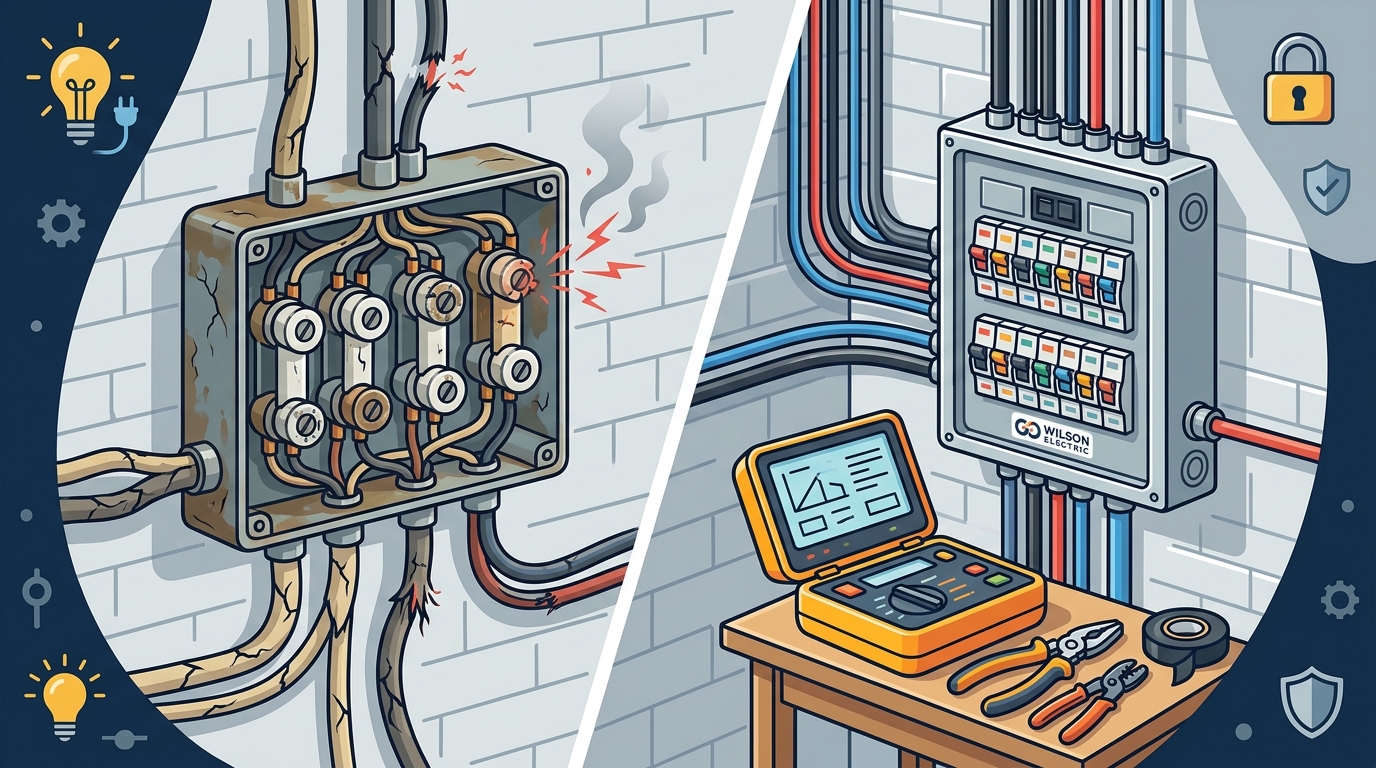
Another critical diagnostic factor is the age of the insulation. Knob-and-tube wiring, found in homes built before 1950, lacks a ground wire and uses fabric insulation that becomes brittle over time. This system was never designed to handle the load of modern appliances. If your home still relies on this method, immediate professional intervention is required. A licensed electrician will perform a thorough inspection, identifying any exposed wires, outdated junction boxes, or signs of previous DIY repairs that violate code.
Step 2: Evaluating and Upgrading the Electrical Panel
The electrical panel serves as the heart of your home's power distribution. Many older panels, such as those made by Federal Pacific or Zinsco, have been recalled due to a high risk of failing to trip during overloads. Consumer Reports highlights that these panels may not shut off power during a short circuit, allowing fires to start within the wall cavities.
Upgrading to a modern 200-amp panel is often necessary for contemporary homes. This upgrade provides sufficient capacity for air conditioning, electric vehicle chargers, and high-demand kitchen appliances. The process involves shutting off the main power, disconnecting the old panel, and installing a new, code-compliant unit. This step also ensures that your home meets current National Electrical Code (NEC) requirements for grounding and bonding.
Step 3: Rewiring and Grounding Solutions
Complete rewiring is the most invasive but effective safety upgrade. It involves removing all old wiring and replacing it with modern copper conductors. Copper is more durable, conducts electricity more efficiently, and is less prone to overheating than aluminum. The National Electrical Manufacturers Association notes that proper copper wiring significantly reduces the risk of electrical fires in residential settings.
Grounding is another critical component. Older two-prong outlets lack a ground path, which means fault currents have no safe route to the earth. Adding a ground wire to your outlets creates a safety path that prevents electric shock and protects sensitive electronics. In homes where running new ground wires is difficult, alternative solutions like GFCI outlets can provide equivalent protection.
Step 4: Modernizing Outlets and GFCI Protection
Ground Fault Circuit Interrupter (GFCI) outlets are essential for preventing electrocution. They monitor the current flowing through the hot and neutral wires and cut power instantly if an imbalance is detected. The NEC requires GFCI protection in areas where water is present, including kitchens, bathrooms, basements, and outdoor spaces. According to the CPA Journal, proper GFCI installation is a key factor in reducing electrical injury rates in residential environments.
Replacing old two-prong outlets with modern three-prong receptacles is also necessary. This upgrade allows you to use grounded plugs for appliances and electronics. If your home has older tamper-resistant outlets, upgrading to current tamper-resistant models adds an extra layer of safety for households with children.
Step 5: Lighting and Load Management
Modern lighting and appliance loads differ significantly from those of the past. Older circuits were often designed for low-wattage incandescent bulbs and minimal appliance use. Today, we use high-wattage LED fixtures, smart home devices, and powerful kitchen appliances. Overloading circuits is a common cause of electrical fires in older homes.
Upgrading your lighting system involves installing dedicated circuits for high-load areas. For example, kitchen countertops require multiple small-appliance branch circuits to handle toasters, blenders, and microwaves. Similarly, bathrooms need dedicated circuits for hair dryers and electric heaters. Proper load management ensures that your electrical system can handle modern demands without tripping breakers or overheating.
Comparison of Upgrade Options
Choosing the right upgrade path depends on your home's specific needs and budget. The table below compares common electrical safety upgrades.
| Upgrade Type | Safety Benefit | Cost Estimate | Impact on Home |
|---|---|---|---|
| Panel Upgrade | Prevents overloads and fire hazards | $2,000 - $4,000 | Minimal disruption |
| Full Rewiring | Eliminates outdated wiring risks | $8,000 - $15,000 | Major renovation required |
| GFCI Installation | Prevents electrocution in wet areas | $150 - $300 per outlet | Minimal disruption |
| Aluminum to Copper | Reduces oxidation and fire risk | $3,000 - $6,000 | Targeted repairs |
Key Takeaways
- Older homes with aluminum or knob-and-tube wiring are at higher risk for electrical fires.
- Upgrading to a 200-amp panel ensures your home can handle modern power demands.
- GFCI outlets are mandatory in wet areas to prevent electrocution.
- Professional inspections are essential to identify hidden hazards in older electrical systems.
- Proper grounding protects both people and sensitive electronics from power surges.
- Load management prevents circuit overloads and extends the life of your electrical components.
- Regular maintenance and upgrades are cost-effective compared to the risks of electrical failure.
Frequently Asked Questions
How do I know if my home needs a panel upgrade?
If your home frequently trips breakers, feels warm to the touch near outlets, or has a panel older than 25 years, it likely needs an upgrade. A professional inspection can confirm if your current panel can handle modern loads.
Is rewiring my home necessary if I have a new panel?
Not always. If your existing wiring is in good condition and meets current codes, a panel upgrade may be sufficient. However, if you have aluminum or knob-and-tube wiring, rewiring is recommended for safety.
What is the difference between GFCI and AFCI outlets?
GFCI outlets protect against ground faults and electrocution, typically in wet areas. AFCI outlets protect against arc faults and fires, required in bedrooms and living areas. Both are important for comprehensive safety.
Can I upgrade my electrical system myself?
No. Electrical work requires a licensed professional to ensure safety and code compliance. DIY electrical work can void insurance policies and create serious fire hazards.
How often should I have my electrical system inspected?
It is recommended to have a professional inspection every 5 to 10 years, or immediately if you notice signs of electrical issues like flickering lights or burning smells.
What are the signs of faulty wiring?
Common signs include flickering lights, warm outlets, burning odors, and frequent breaker trips. If you experience any of these, contact a licensed electrician immediately.
Does upgrading my electrical system increase my home value?
Yes. A modern electrical system is a key selling point for homebuyers and can increase your home's market value by ensuring safety and functionality.
Schedule Your Safety Assessment
Do not wait for a problem to arise. Proactive electrical upgrades ensure the safety of your family and the longevity of your home. Contact Go Wilson Electric today to schedule a comprehensive electrical safety assessment. Our licensed team is ready to provide expert solutions tailored to your home's unique needs.