
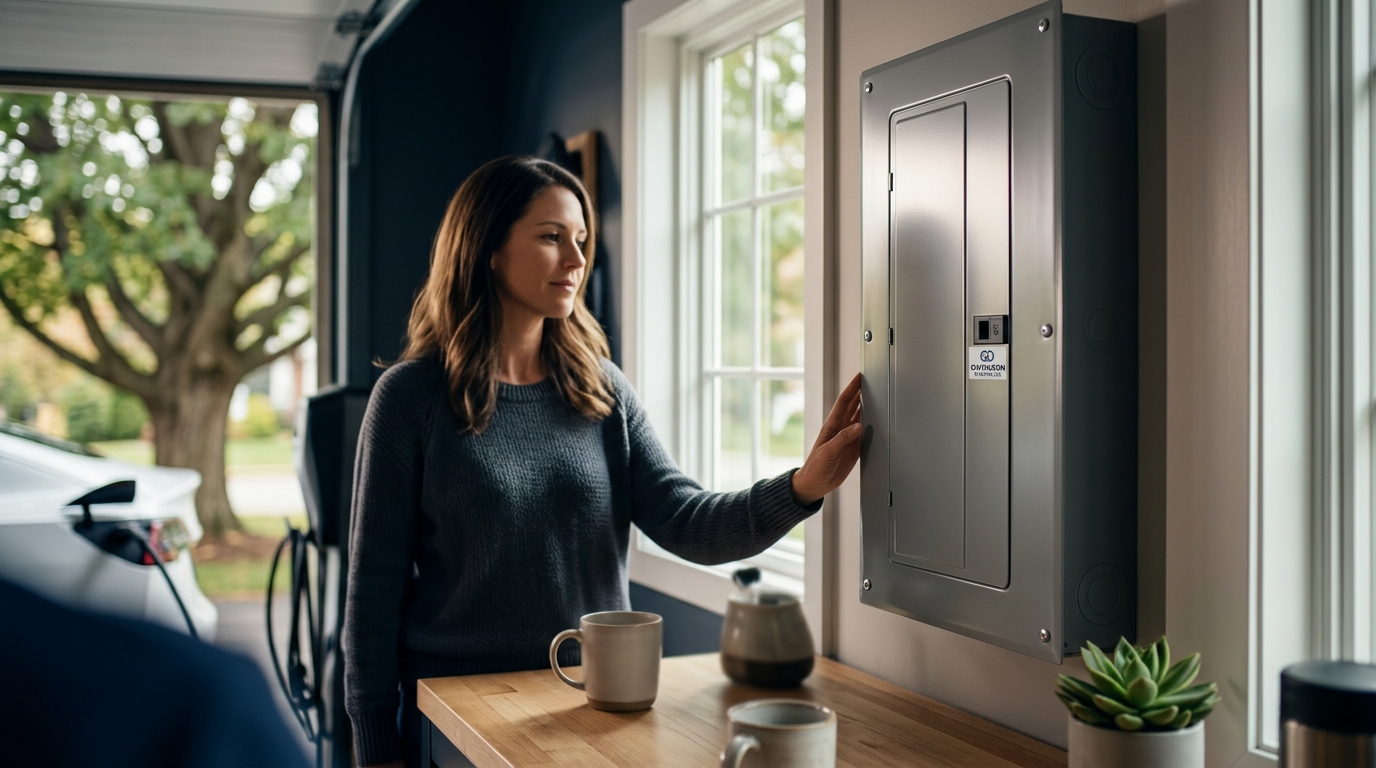
Your electrical panel is the central hub that distributes power to every circuit in your home. If your panel is outdated, undersized, or showing warning signs, upgrading it is one of the most important safety investments you can make. Whether you live in an older home in Upstate New York or you are adding modern appliances like EV chargers and heat pumps, this guide from Go Wilson Electric walks you through every step of the panel upgrade process, from recognizing warning signs to passing your final inspection.
What Is an Electrical Panel?
An electrical panel is the central distribution point that connects your home to the utility grid and organizes power into individual circuits, each protected by its own circuit breaker. Often called a breaker box, it regulates how much electricity flows to different areas and appliances throughout your house.
Older homes in Upstate New York may still rely on fuse boxes instead of modern breaker panels. A fuse box is an outdated electrical panel that uses fuses which burn out when circuits overload, offering limited capacity for today's power demands. If your home has one, replacing it should be a top priority. Learn more about the full range of electrical services offered by Go Wilson Electric.
Warning Signs You Need an Upgrade
Recognizing the right time to upgrade prevents costly emergencies and keeps your family safe. Watch for these common indicators:
- Frequent breaker trips: When a breaker trips repeatedly, your panel is struggling to handle your home's electrical load.
- Flickering or dimming lights: Lights that dim when appliances kick on signal an overloaded panel that cannot maintain consistent voltage.
- Burning smells or buzzing sounds: These indicate an active electrical hazard requiring immediate professional attention.
- Warm panel surface: A panel that feels warm to the touch suggests overloaded circuits that could overheat.
- Panel age over 25 years: Electrical panels typically have a lifespan of 25 to 40 years, and aging components deteriorate over time.
- Visible rust or discoloration: Rusty components and burnt areas are visual evidence that your panel needs replacement.
If you spot any of these signs, contact Go Wilson Electric for a professional inspection right away.
Benefits of Upgrading Your Electrical Panel
A panel upgrade is more than a repair. It is a long-term investment in your home's safety, value, and functionality.
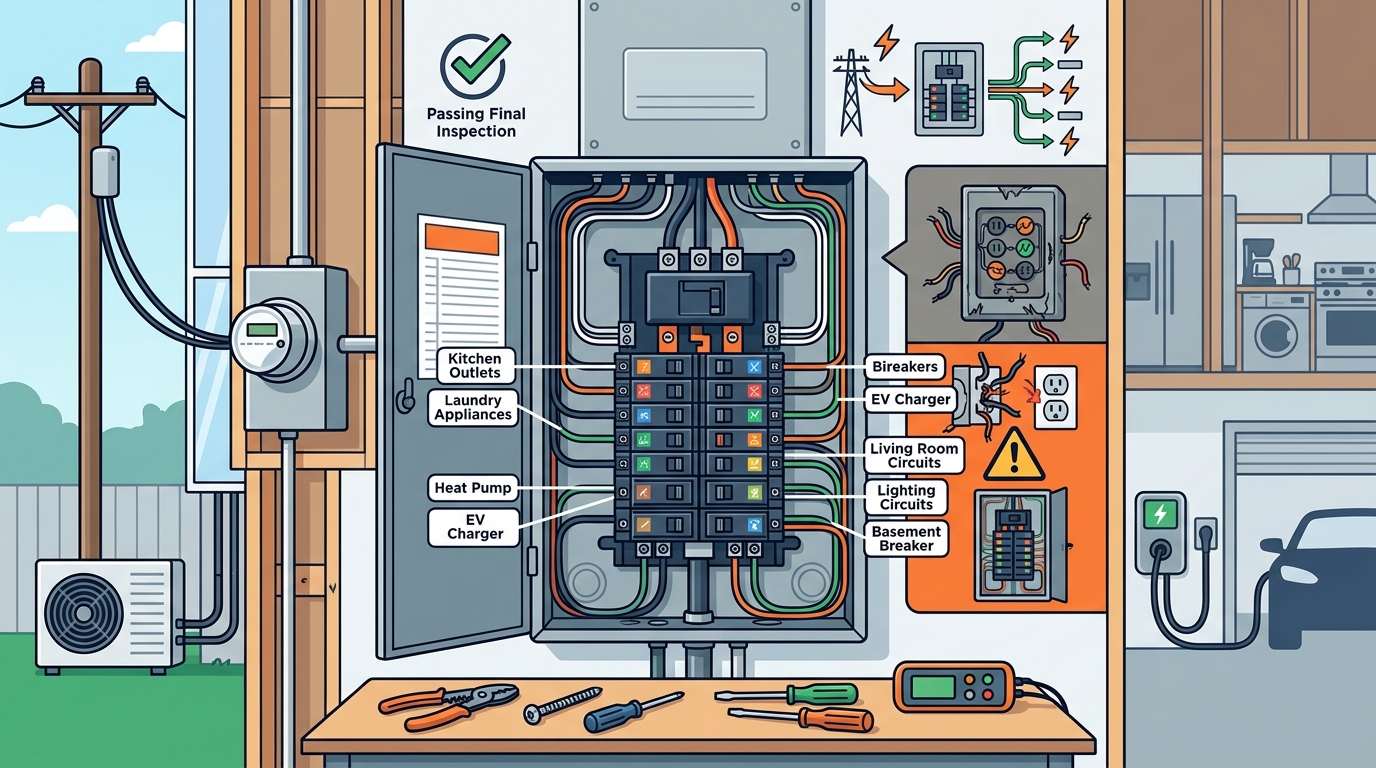
Improved Safety
Modern panels include advanced protections like Arc Fault Circuit Interrupters (AFCIs), which detect dangerous electrical arcs before they cause fires. Ground Fault Circuit Interrupters (GFCIs) are essential safety devices that protect against electrical shock by shutting off power when they detect a ground fault.
Increased Home Value
An upgraded panel can boost your home's resale value and may qualify you for homeowner's insurance discounts by eliminating unsafe legacy panel brands.
Support for Modern Demands
From EV chargers to smart home systems, today's homes demand far more power than older panels were designed to deliver. A 200-amp panel is now the standard for new construction and is often the single most important step toward full home electrification.
The Panel Upgrade Process Step by Step
Understanding the process helps you prepare and ensures no surprises on installation day. Here is what a typical upgrade looks like when you work with a licensed electrician from Go Wilson Electric:
1. Professional Assessment
A licensed electrician inspects your existing panel, evaluates your current and future power needs, and performs a detailed load calculation. This calculation adds up demand from every circuit to ensure the new panel can handle maximum potential load without compromising safety.
2. Panel Selection and Permitting
Based on the assessment, your electrician recommends the appropriate panel size. Standard residential panels range from 100 to 200 amps, but larger homes may require 300-amp or 400-amp service. Your electrician then pulls the required permits by submitting plans and load calculations to your local building authority.
3. Installation and Inspection
Installation typically involves disconnecting power, removing the old panel, mounting the new panel, and connecting all circuits. The entire process is often completed in a single day. After installation, a local building inspector verifies that the work meets current National Electrical Code (NEC) requirements before power is restored.
Cost Comparison: 100-Amp vs. 200-Amp Panels
Cost varies based on panel type, local labor rates, and the complexity of your existing wiring. Below is a general comparison for Upstate New York homeowners:
| Factor | 100-Amp Upgrade | 200-Amp Upgrade |
|---|---|---|
| Average Cost (with labor) | $850 - $1,450 | $1,750 - $4,000 |
| Best For | Smaller homes, modest loads | Average to large homes, EV chargers, HVAC |
| Future-Proofing | Limited | High (supports electrification) |
| Current Code Standard | Acceptable for some homes | Standard for new construction since 2015 |
For a personalized estimate, reach out to the panel upgrade specialists at Go Wilson Electric.
Permits, Codes, and Inspections
Electrical panel upgrades require permits in virtually every jurisdiction, including municipalities across Upstate New York. A permit is a formal approval confirming that your project plan meets the safety standards of the National Electrical Code and local regulations.
Skipping permits can result in fines, complications when selling your home, and insurance claim denials. Your electrician handles the entire permitting process, from submitting plans through scheduling the final inspection. All panel upgrades performed by Go Wilson Electric include the required permits and are inspected for full code compliance.
Key Takeaways
- An electrical panel is your home's central power distribution hub, and it should be upgraded if it is over 25 years old or showing warning signs.
- Frequent breaker trips, flickering lights, burning smells, and warm panels are clear signals that an upgrade is needed.
- A 200-amp panel is the modern standard and supports EV chargers, heat pumps, and smart home technology.
- Panel upgrades improve safety, increase home value, and may lower insurance premiums.
- All upgrades require permits and a final inspection to ensure NEC compliance.
- Only a licensed electrician should perform panel upgrades to ensure safety and code adherence.
- Go Wilson Electric serves Upstate New York homeowners with honest, detail-oriented electrical panel upgrades.
Frequently Asked Questions
How do I know if my electrical panel needs an upgrade?
Common signs include frequent breaker trips, flickering lights, buzzing or burning smells from the panel, a panel that feels warm, or a home with a fuse box instead of circuit breakers. If your panel is more than 25 years old, schedule a professional inspection.
Can I upgrade my electrical panel myself?
No. Electrical panel replacement should always be performed by a licensed electrician to ensure safety and compliance with local building codes. Working inside a live panel is extremely dangerous.
How much does an electrical panel upgrade cost?
Costs vary by region and scope. A 100-amp upgrade typically costs $850 to $1,450, while a 200-amp upgrade ranges from $1,750 to $4,000. Contact Go Wilson Electric for a free estimate tailored to your Upstate New York home.
How long does a panel upgrade take?
Most residential panel upgrades are completed in a single day. More complex projects involving service upgrades from the utility may take additional time for coordination.
Do I need a permit for a panel upgrade?
Yes. Electrical panel upgrades require permits to ensure compliance with local codes and safety standards. Your electrician will handle the permitting and inspection process on your behalf.
What is the difference between 100-amp and 200-amp service?
A 100-amp panel is suitable for smaller homes with modest power needs. A 200-amp service is the standard for homes built since 2015 and provides the capacity needed for modern appliances, EV chargers, and home electrification projects.
Will upgrading my panel reduce my homeowner's insurance?
In many cases, yes. Replacing an outdated or recalled panel brand with a modern, code-compliant panel can qualify you for insurance discounts and ensures your coverage remains valid.
What is a subpanel, and do I need one?
A subpanel is a secondary electrical panel that adds more circuits to your home without replacing the main panel. It is commonly used when expanding specific areas like garages or workshops. Your electrician can advise whether a subpanel or full upgrade is the better option.
Schedule Your Electrical Panel Upgrade Today
Do not wait for an electrical emergency to act. Go Wilson Electric LLC provides safe, reliable panel upgrades throughout Upstate New York with exceptional attention to detail and full code compliance. Request your free consultation today and take the first step toward a safer, more powerful home.