
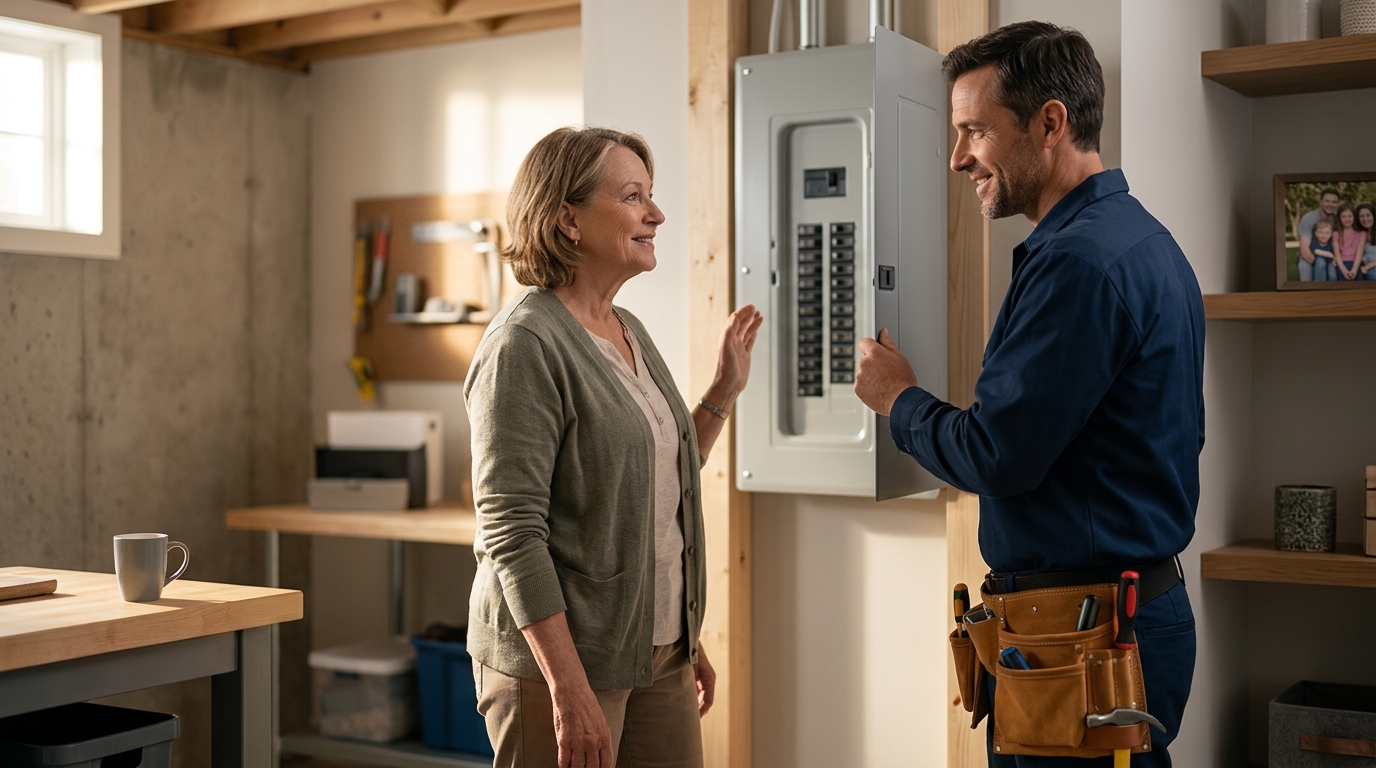
Common Breaker Box Mistakes to Avoid During Installation in Rochester, NY
Upstate New York experiences extreme seasonal shifts that place immense stress on residential electrical infrastructure. According to the National Fire Protection Association, electrical failures are a leading cause of home structure fires, with older or improperly maintained panels accounting for a significant percentage of these incidents. In Rochester, where humidity and temperature swings can accelerate wire degradation, installing a new breaker box is not just an upgrade. It is a critical safety intervention. Many homeowners attempt to cut costs by skipping professional inspections or choosing incorrect panel ratings. This guide outlines the most frequent errors made during this process and how to avoid them.
Why Upgrading Your Panel is Necessary
Many older homes in the Rochester area still operate with 100-amp service or even older fuse boxes. Modern households demand significantly more power due to electric vehicle chargers, high-efficiency HVAC systems, and numerous electronic devices. When a panel cannot handle the load, it trips frequently or overheats. Go Wilson Electric specializes in identifying these capacity bottlenecks before they become hazards. Upgrading to a 200-amp panel is often the standard solution for modernizing homes in Monroe County.
Electrical load calculations must be performed by a licensed professional. An electrician will assess your current usage patterns and future expansion plans. This ensures the new breaker box is not just compliant, but also future-proofed for your specific lifestyle. Ignoring this step can lead to immediate tripping issues or long-term thermal damage to your wiring.
Critical Sizing and Amperage Mistakes
One of the most common errors is installing a panel with insufficient amperage for the home's needs. A 100-amp panel may suffice for a small, older home with gas heating and minimal electronics. However, for a typical modern family home, this is often inadequate. Installing a panel that is too small forces homeowners to constantly reset breakers, which wears out the mechanism and creates a fire risk.
Conversely, installing a panel that is too large without proper utility coordination can be equally problematic. The utility company must approve the service entrance upgrade. If the meter base and incoming lines are not rated for the higher amperage, the new panel becomes a bottleneck. Always consult with your utility provider and a qualified electrician before finalizing the amperage rating. This ensures the entire system, from the street to the breaker box, is balanced and safe.
Ignoring NEC and Local Rochester Codes
Electrical codes are not suggestions. They are rigorous safety standards designed to prevent injury and property loss. The National Electrical Code (NEC) is updated regularly to address new technologies and safety concerns. In Rochester, local amendments may impose additional requirements regarding grounding, bonding, and clearance distances.
A frequent mistake is assuming that a panel installed in a neighboring town will meet Rochester's specific inspection criteria. Local inspectors are strict about arc-fault circuit interrupter (AFCI) and ground-fault circuit interrupter (GFCI) requirements. For example, bedrooms and kitchens often require AFCI protection to detect dangerous arcing faults. Failure to include these devices during installation will result in a failed inspection and costly rework. Go Wilson Electric stays current with all Monroe County code updates to ensure your installation passes on the first try.
The Dangers of DIY Electrical Work
Home improvement trends have led many homeowners to attempt electrical work themselves. While changing a light fixture is manageable, installing a breaker box is a high-risk task involving live mains power. The risk of severe electric shock, arc flash, and subsequent fire is substantial. Furthermore, DIY installations rarely meet insurance requirements. If a fire occurs and the panel was not installed by a licensed professional, your homeowner's insurance claim may be denied.
Professional electricians bring specialized tools and knowledge that DIYers lack. They can identify hidden issues in the existing wiring, such as aluminum conductors that require special termination techniques. Aluminum wiring, common in homes built between the 1960s and 1970s, is prone to oxidation and loosening over time. A professional installation addresses these nuances, ensuring a safe and durable connection. For more information on electrical safety standards, refer to the National Fire Protection Association.
Service Entrance and Grounding Errors
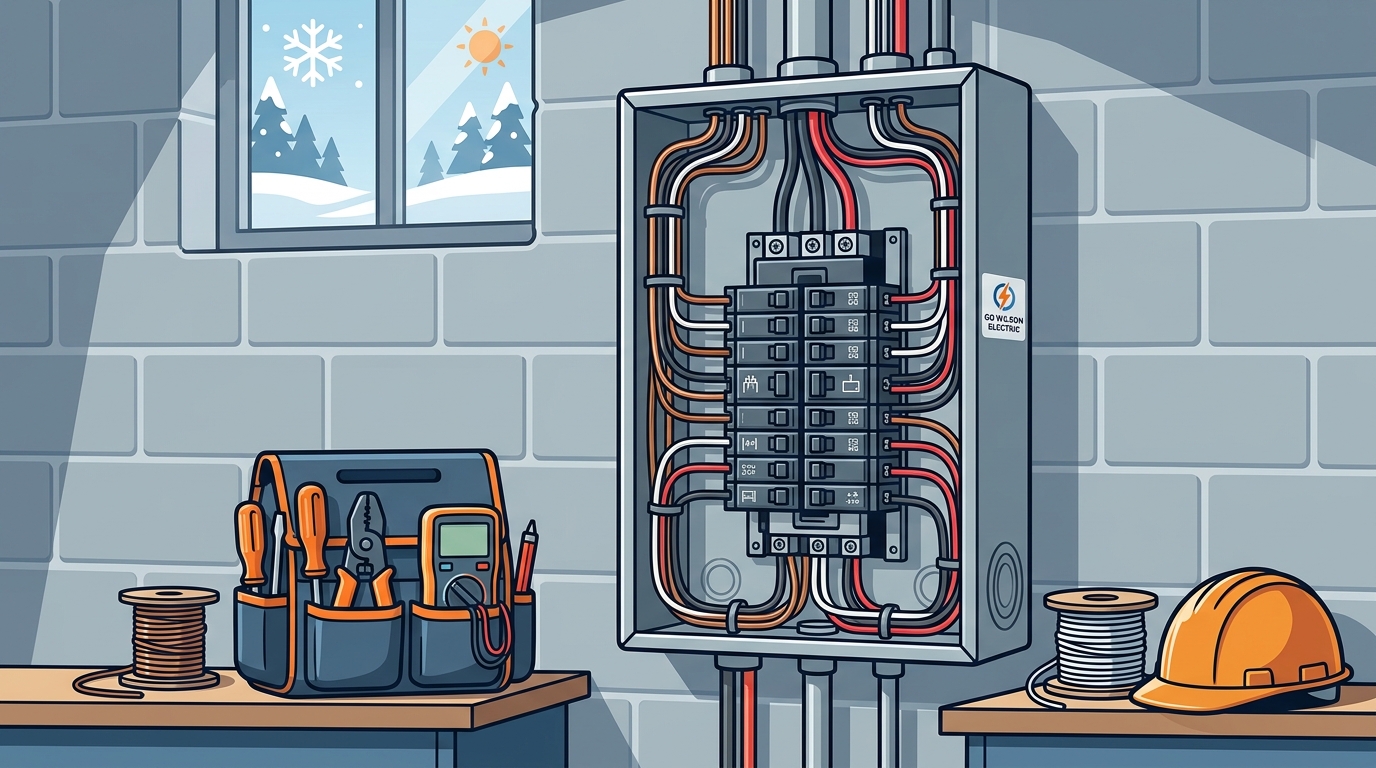
The breaker box is only as good as its connection to the ground and the utility source. Improper grounding is a silent killer in electrical systems. It can cause voltage fluctuations that damage sensitive electronics and increase the risk of shock. In Rochester, where soil conditions and moisture levels vary, proper grounding electrode systems are critical.
Another common error is neglecting the service entrance conductors. These are the heavy-gauge wires that run from the utility pole to your home. If they are damaged, undersized, or improperly clamped, they can overheat at the connection point. During an installation, the electrician must inspect these lines and replace them if necessary. This ensures that the power entering your home is stable and safe. Go Wilson Electric prioritizes the integrity of the entire service entrance, not just the new panel.
Panel Types: Load Center vs. Fuse Box
Understanding the difference between modern load centers and outdated fuse boxes is essential. A fuse box uses replaceable fuses to protect circuits. When a fuse blows, it must be physically replaced. This is inconvenient and often leads to homeowners using higher-amperage fuses to prevent blowing, which is a major fire hazard.
A modern load center uses circuit breakers that can be reset. This is safer and more convenient. However, the transition from a fuse box to a load center requires careful planning. The wiring in the home must be compatible with the new system. In some cases, additional grounding upgrades are needed. Below is a comparison of the two systems to help you understand the differences.
| Feature | Fuse Box (Older Systems) | Load Center (Modern Breaker Box) |
|---|---|---|
| Protection Mechanism | Replaceable glass or ceramic fuses | Resettable circuit breakers |
| Safety Risk | High risk of overheating if fuses are misused | Lower risk with proper AFCI/GFCI integration |
| Capacity | Typically 60-100 amps | 100-400+ amps, scalable |
| Code Compliance | Often non-compliant with current NEC | Fully compliant with modern safety standards |
| Maintenance | Requires spare fuses and frequent replacement | Minimal maintenance, occasional testing |
Key Takeaways
- Electrical failures are a leading cause of home fires, making proper panel installation critical for safety.
- Upgrading to a 200-amp panel is often necessary for modern homes in Rochester to handle increased electrical loads.
- Local Rochester codes may have specific requirements for AFCI and GFCI protection that must be met during installation.
- Dangerous arcing faults are detected by AFCI devices, which are now required in many residential circuits.
- Aluminum wiring, common in older homes, requires special termination techniques to prevent oxidation and loosening.
- DIY breaker box installation voids insurance coverage and poses severe risks of shock and fire.
- Go Wilson Electric provides licensed, insured electrical services throughout Upstate New York.
Frequently Asked Questions
How long does a breaker box installation take in Rochester?
A standard breaker box installation typically takes one to two days, depending on the complexity of the service entrance and any necessary upgrades to the grounding system. Go Wilson Electric works efficiently to minimize disruption to your home.
Do I need a permit for a breaker box installation?
Yes, almost all jurisdictions in Monroe County require a permit for electrical panel replacements. The permit ensures that the work is inspected and meets local safety codes. Go Wilson Electric handles the permitting process for all our clients.
Can I install a breaker box myself to save money?
While it may seem cost-effective, DIY installation is extremely dangerous and often illegal. It also voids your homeowner's insurance. Professional installation ensures safety and compliance with all local regulations.
What is the difference between a 100-amp and 200-amp panel?
A 100-amp panel is suitable for smaller homes with low electrical demands. A 200-amp panel provides double the capacity, supporting modern appliances, electric vehicles, and HVAC systems without overloading the system.
How do I know if my breaker box is outdated?
Signs of an outdated panel include frequent breaker trips, burning smells, rust or corrosion, and the use of fuses instead of breakers. If you notice any of these signs, contact a professional electrician immediately.
Does Go Wilson Electric offer emergency services?
Yes, Go Wilson Electric offers emergency electrical services for urgent issues such as power outages or dangerous electrical faults. Contact us at 585-54-POWER for immediate assistance.
What is the cost of a breaker box installation?
The cost varies based on the amperage, the condition of the existing wiring, and local permit fees. Go Wilson Electric provides free, upfront estimates with no hidden costs to ensure transparency.
Schedule Your Rochester Service
Do not risk your home's safety with improper electrical work. Go Wilson Electric is your trusted partner for safe, reliable, and code-compliant breaker box installations in Rochester and Upstate New York. Our team brings over three decades of combined expertise to every job. Contact us today for a free consultation and quote. Visit our Request Quote page to get started.