
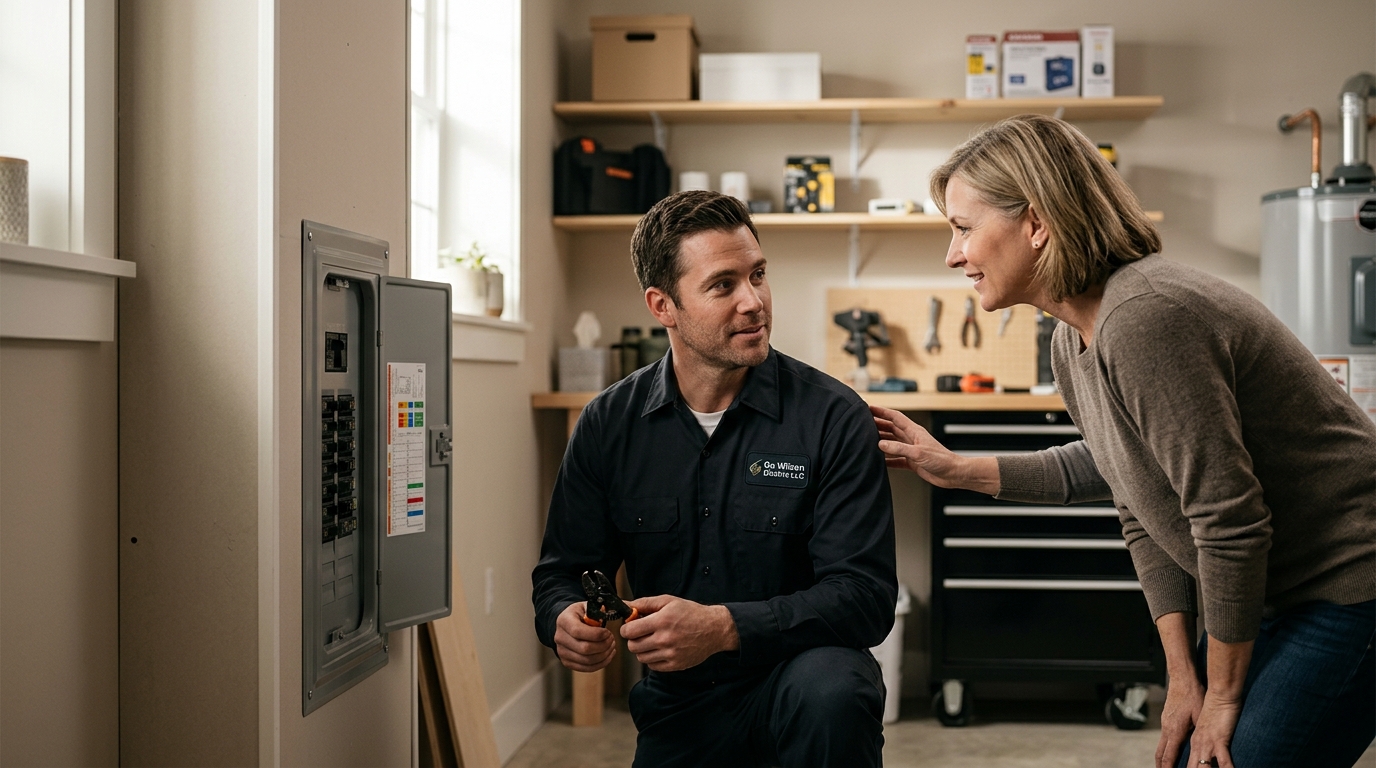
Homeowners frequently ask about the financial commitment required for an electrical panel upgrade. Industry data shows that the average cost to replace a residential breaker box ranges between two thousand and four thousand dollars. This figure typically covers standard sixty amp to two hundred amp service upgrades. Regional labor rates and material availability heavily influence the final invoice. Homeowners should expect a comprehensive assessment before any physical work begins. National grid data confirms that modernizing outdated infrastructure remains a critical safety priority for property owners across the United States.
Understanding Modern Electrical Panel Requirements
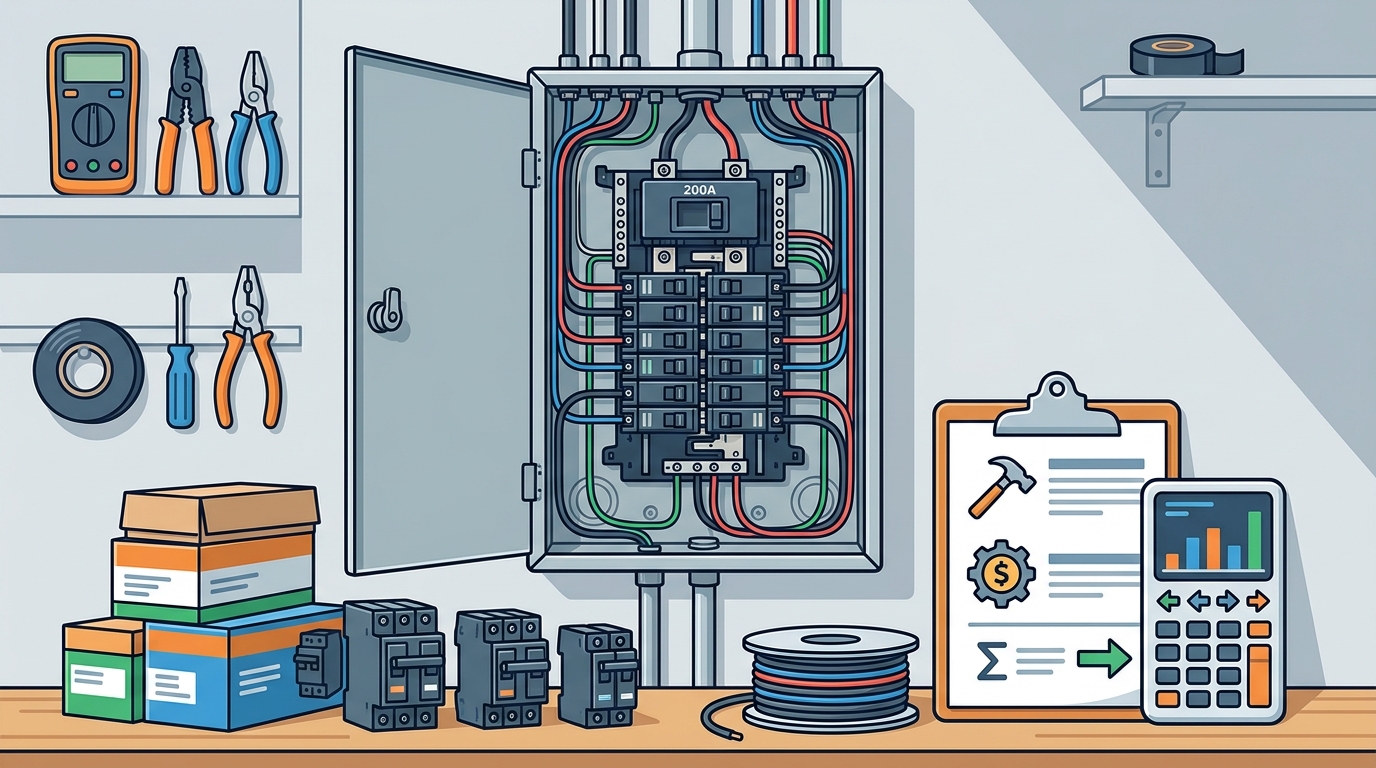
A breaker box is the primary distribution hub that routes household electricity from the utility grid to individual circuits. A service entrance cable is the heavy-gauge conductor that delivers primary power from the street to your property. A main disconnect switch is the safety mechanism that completely isolates your home from external power sources. Modern homes require robust capacity to handle contemporary appliance loads. Older fuse boxes lack the safety mechanisms found in contemporary breaker systems. Upgrading to a standard two hundred amp configuration provides necessary headroom for electric vehicles and smart home devices. Professional contractors evaluate existing load calculations to determine the exact specifications required for your property.
Factors That Drive Installation Pricing
Several variables directly impact the final invoice for a panel replacement project. The primary cost driver remains the amperage rating selected for the new unit. A sixty amp system costs significantly less than a two hundred amp commercial-grade configuration. Material markups fluctuate based on national supply chain conditions and local distributor agreements. Labor hours also vary depending on the complexity of the existing wiring layout. Industry benchmarks indicate that equipment purchases typically account for thirty five percent of the total project budget. Transparent pricing models eliminate hidden charges by detailing every line item upfront.
Regional Labor Rates and Material Markups
Geographic location plays a decisive role in determining overall project expenses. Urban service areas generally command higher hourly rates due to increased operational overhead. Rural municipalities often experience extended travel fees and longer scheduling windows. Licensed contractors factor in local permit fees and municipal inspection requirements. Transparent pricing models eliminate hidden charges by detailing every line item upfront. Homeowners in Upstate New York benefit from competitive regional rates that remain below national averages. Our team brings over three decades of combined expertise to every job. You will never encounter surprise fees or rushed workmanship.
Safety Compliance and Code Upgrade Mandates
Electrical codes evolve continuously to address emerging fire hazards and equipment failures. The National Electrical Code mandates specific grounding requirements for all modern installations. Older panels frequently lack arc fault circuit interrupter protection. Upgrading to current standards reduces the risk of electrical fires and equipment damage. Code compliance reports demonstrate that updated panels significantly lower household insurance premiums. Contractors must verify local municipal adoption dates before purchasing materials. Quality workmanship guaranteed remains our core commitment to every residential client.
When Replacement Becomes More Cost Effective
Homeowners often attempt to repair aging components to avoid full system overhauls. Frequent breaker tripping indicates an overloaded circuit or deteriorating internal contacts. Burnt wiring insulation creates immediate fire hazards that cannot be safely patched. Repeated panel failures quickly exceed the cost of a complete system swap. Expert diagnostics reveal that repairing obsolete hardware rarely extends system longevity. Full replacement provides a clean slate for future expansion and warranty coverage. We complete over five hundred jobs annually while maintaining strict safety protocols.
| Panel Configuration | Estimated Material Cost | Typical Labor Hours | Best Use Case |
|---|---|---|---|
| 100 Amp Standard | $400 to $700 | 4 to 6 hours | Smaller homes with basic appliance loads |
| 200 Amp Residential | $800 to $1,500 | 6 to 10 hours | Modern households with HVAC and EV chargers |
| Commercial Grade | $1,800 to $3,000 | 10 to 15 hours | Multi-unit buildings or heavy industrial equipment |
Key Takeaways
- The average cost to replace a residential breaker box typically falls between two thousand and four thousand dollars.
- Material expenses generally represent thirty five percent of the total project budget.
- Modern two hundred amp panels support contemporary appliance loads and electric vehicle charging.
- Regional labor rates in Upstate New York remain competitive compared to national averages.
- Code compliance mandates require updated grounding and arc fault protection mechanisms.
- Homeowners should schedule professional load calculations before purchasing replacement hardware.
Frequently Asked Questions
How long does a professional breaker box replacement take?
Most standard residential installations require six to ten hours of active work. Technicians must safely disconnect utility power before removing the old unit. Wiring retermination and final testing ensure all circuits function correctly. Homeowners should expect temporary power interruptions during the swap process.
Can I keep my existing wiring during an upgrade?
Qualified electricians frequently reuse intact branch circuits to reduce material waste. Damaged or outdated wiring must be replaced to meet current safety standards. A thorough inspection determines which cables remain viable for the new panel. Licensed professionals verify cable ratings before connecting them to new breakers.
What permits are required for a panel replacement?
Municipal building departments require specific electrical permits for all major upgrades. Inspection fees vary by county and depend on the total project valuation. Contractors typically handle permit acquisition as part of their service package. Consumer protection guidelines emphasize verifying contractor licensing before signing agreements.
Will upgrading my panel increase my home value?
Updated electrical infrastructure positively impacts property appraisals and buyer confidence. Modern panels eliminate safety concerns that frequently derail real estate transactions. Energy efficiency reports confirm that upgraded systems reduce long-term operational costs. Homeowners planning to sell should prioritize this upgrade to maximize marketability.
How do I know if my current panel is outdated?
Fuse boxes and early generation breaker units lack modern safety features. Burning smells, frequent tripping, or visible corrosion indicate immediate replacement needs. Industry safety data shows that panels manufactured before two thousand five pose higher fire risks. Professional assessments identify these warning signs before catastrophic failures occur.
Schedule Your Panel Upgrade Today
Upgrading your electrical infrastructure ensures safety, compliance, and future readiness. Our licensed team provides transparent pricing and expert installation across Upstate New York. Contact us today to schedule a comprehensive site assessment and receive a detailed project estimate. Request your free consultation and secure your home with a reliable power distribution system.