
Critical Standards and Safety Requirements for Electrical Projects
Electrical systems form the backbone of modern infrastructure, yet they carry inherent risks that demand rigorous adherence to safety protocols. According to the National Fire Protection Association, electrical failures are a leading cause of structure fires in the United States, accounting for approximately 51,000 fires annually. This statistic underscores the non-negotiable nature of compliance with established safety codes. Whether you are a homeowner planning a renovation or a facility manager overseeing commercial upgrades, understanding these critical standards is essential for preventing catastrophic failures and ensuring long-term system reliability.
Understanding the National Electrical Code
The National Electrical Code (NEC), also known as NFPA 70, serves as the foundational benchmark for safe electrical design, installation, and inspection in the United States. This code is not merely a suggestion but a legally adopted standard in most jurisdictions. Compliance with the NEC ensures that electrical systems are installed in a manner that minimizes the risk of electric shock, fire, and other hazards.
One of the core principles of the NEC is the requirement for proper circuit protection. This involves the correct sizing of breakers and fuses to prevent overheating of wires. When a circuit is overloaded, the insulation on the wires can degrade, leading to short circuits. Licensed electricians in Upstate New York, including those at Go Wilson Electric, utilize these codes to guarantee that every installation meets the highest safety benchmarks.
Another critical aspect of the NEC is the requirement for Ground Fault Circuit Interrupters (GFCIs). GFCIs are designed to shut off an electric power source when it detects that electricity is leaking. This feature is particularly vital in areas where water and electricity might come into contact, such as kitchens, bathrooms, and outdoor outlets. The implementation of GFCI protection is a standard requirement for any modern electrical project.
Residential Safety Protocols and Grounding
Residential electrical systems require specific attention to grounding and bonding. Proper grounding provides a safe path for electrical current to flow into the earth in the event of a fault. This process helps stabilize voltage levels and protects appliances from power surges. Without adequate grounding, electrical equipment can become energized, posing a severe shock hazard to occupants.
Electrical bonding is the process of connecting metallic parts of the electrical system together. This ensures that all metal components are at the same electrical potential, preventing dangerous voltage differences. In older homes, particularly those built before the 1960s, grounding may be absent or inadequate. Upgrading to a grounded system is a critical safety improvement that can significantly reduce the risk of electrical fires.
Additionally, residential projects must adhere to strict wire sizing requirements. Using wire that is too small for the intended load can cause excessive heat buildup. For example, a 15-amp circuit requires at least 14-gauge wire, while a 20-amp circuit requires 12-gauge wire. Deviating from these standards can lead to insulation melting and potential fire hazards. Professional electricians ensure that all wire gauge selections match the circuit breaker ratings and the expected load.
Commercial Compliance and Load Management
Commercial electrical projects involve more complex load calculations and stricter compliance requirements than residential work. Businesses must ensure that their electrical systems can handle the demands of heavy machinery, lighting systems, and computer networks. Overloading commercial circuits is a common cause of business interruptions and equipment damage.
Load management is a critical component of commercial electrical design. This involves calculating the total power demand of all connected devices and ensuring that the main service panel and distribution boards can handle the peak load. Electricians often use specialized software to model these loads and identify potential bottlenecks before installation begins. This proactive approach prevents costly upgrades and ensures system reliability.
Furthermore, commercial installations must comply with the National Electrical Safety Code (NESC) for outdoor lines and the NEC for interior wiring. These codes dictate requirements for conduit sizing, junction box placement, and emergency power systems. For businesses in Upstate New York, working with a licensed provider like Go Wilson Electric ensures that all commercial projects meet these rigorous standards.
Outdoor and Environmental Protection Standards
Outdoor electrical installations face unique challenges due to exposure to weather, moisture, and physical damage. The NEC requires that outdoor wiring be protected from the elements using weather-resistant conduits and junction boxes. This protection prevents water ingress, which can cause short circuits and corrosion.
Ground Fault Protection is mandatory for all outdoor outlets. GFCI protection ensures that any leakage current is immediately detected and interrupted, preventing electrocution. This is particularly important for outdoor lighting, security systems, and holiday lighting installations. Go Wilson Electric specializes in outdoor electrical services, ensuring that all exterior installations are both safe and durable.
Another critical standard for outdoor projects is the proper burial depth of underground wiring. Direct burial cables must be buried at specific depths to protect them from digging and soil pressure. Failure to meet these depth requirements can result in cable damage and subsequent safety hazards. Professional electricians use trenching equipment and proper backfill materials to ensure long-term protection of underground lines.
Emergency Preparedness and Power Systems
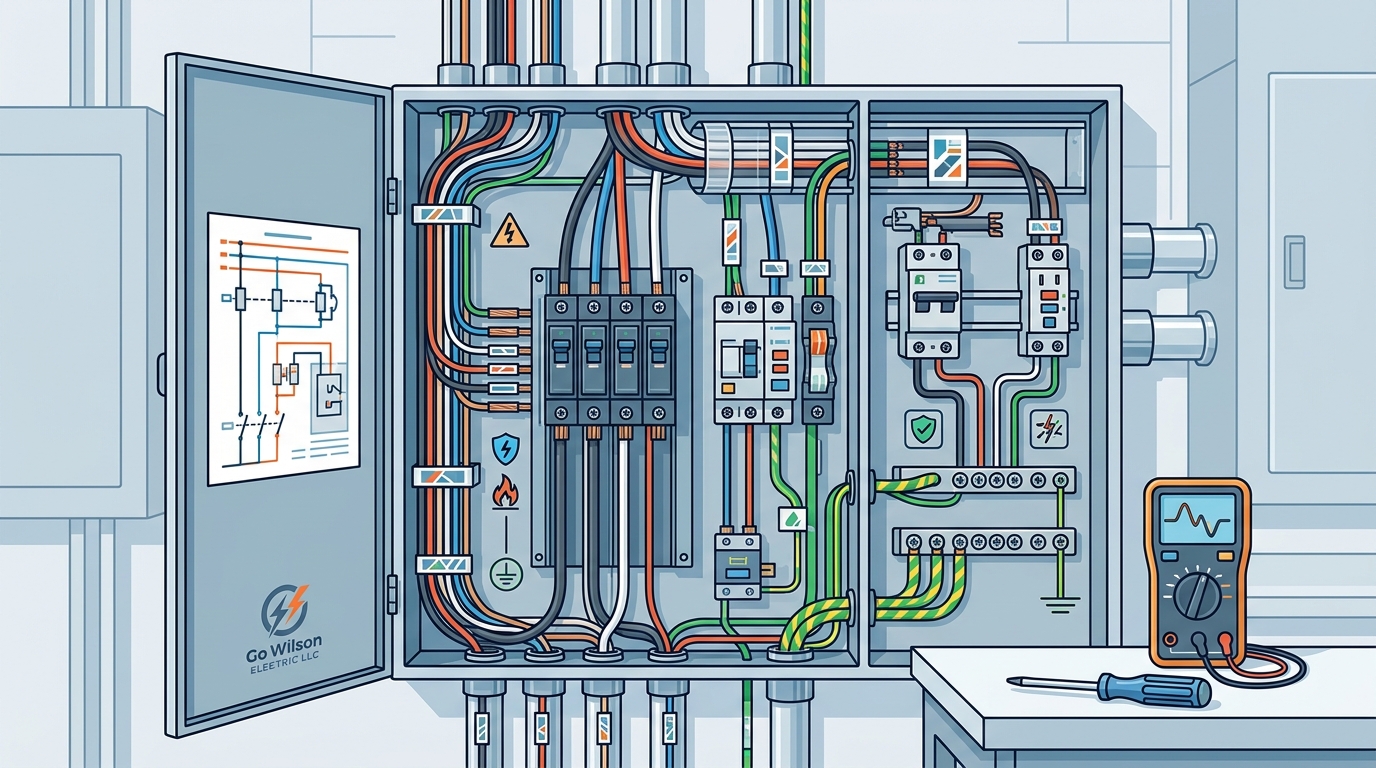
Emergency power systems, such as generators and uninterruptible power supplies (UPS), are essential for maintaining safety during power outages. These systems must be installed in accordance with strict codes to prevent backfeeding, which can endanger utility workers repairing the grid. Backfeeding occurs when power from a generator flows back into the utility lines, creating a lethal hazard for linemen.
Transfer switches are the key component in preventing backfeeding. These devices automatically switch the building's power source from the utility grid to the generator during an outage. They also ensure that the two sources are never connected simultaneously. Proper installation and testing of transfer switches are critical for the safety of both occupants and utility workers.
Additionally, emergency lighting and exit signs are required in most commercial and multi-family residential buildings. These lights must activate automatically when power is lost and provide sufficient illumination for safe evacuation. Regular testing and maintenance of these systems are required by code to ensure they function correctly during an emergency. Go Wilson Electric offers generator installation and maintenance services to ensure your property is prepared for any power disruption.
Key Takeaways
- NEC Compliance is Mandatory: The National Electrical Code is the legal standard for safe electrical installation in the US, and adherence is required by law in most jurisdictions.
- GFCI Protection is Critical: Ground Fault Circuit Interrupters are required in wet areas, both indoors and outdoors, to prevent electrocution.
- Proper Grounding Prevents Shock: A grounded electrical system provides a safe path for fault currents, reducing the risk of electric shock and fire.
- Wire Sizing Matters: Using the correct wire gauge for the circuit amperage prevents overheating and insulation failure.
- Commercial Load Calculations are Complex: Business electrical systems require precise load management to handle heavy machinery and prevent overloads.
- Outdoor Wiring Needs Weatherproofing: Exterior installations must use weather-resistant materials and meet specific burial depth requirements.
- Transfer Switches Prevent Backfeeding: Properly installed transfer switches are essential for protecting utility workers during generator use.
Frequently Asked Questions
What is the National Electrical Code (NEC)?
The NEC is a comprehensive set of safety standards for the installation and maintenance of electrical systems in the United States, published by the National Fire Protection Association.
Why is GFCI protection required in bathrooms?
GFCI protection is required in bathrooms because water and electricity create a high risk of electrocution. GFCIs detect ground faults and cut power instantly to prevent injury.
Can I install my own electrical wiring?
While some jurisdictions allow homeowners to perform minor electrical work, major installations typically require a licensed electrician to ensure compliance with safety codes and insurance requirements.
How often should electrical systems be inspected?
Commercial buildings should have electrical systems inspected annually, while residential properties should be inspected every three to five years, or after significant renovations.
What is the difference between bonding and grounding?
Grounding connects the electrical system to the earth to stabilize voltage, while bonding connects metallic parts to ensure they are at the same electrical potential.
Why is proper wire sizing important?
Proper wire sizing ensures that the wire can carry the intended current without overheating, which prevents insulation damage and potential fires.
What is backfeeding?
Backfeeding is the dangerous flow of electricity from a generator back into the utility grid, which can endanger utility workers and damage equipment.
Schedule Your Service
Ensuring your electrical systems meet critical safety standards is not just a regulatory requirement but a vital step in protecting your property and loved ones. Whether you need a comprehensive safety inspection, a new generator installation, or routine maintenance, Go Wilson Electric is here to help. Our team of licensed and insured electricians in Upstate New York is dedicated to providing safe, reliable, and code-compliant electrical solutions.
Contact us today to schedule a consultation and experience the Go Wilson Electric difference. We offer free estimates and a commitment to quality workmanship that has earned us the trust of homeowners and businesses across the region. Visit our contact page to request service or call us at 585-54-POWER.