
Step-by-Step Guide to Electrical Safety Upgrades for Older Rochester Homes
Older homes in Rochester, New York, possess a unique charm that defines the region's historic neighborhoods. However, the electrical infrastructure within these properties often struggles to meet modern power demands. According to the National Fire Protection Association, older wiring systems are a primary contributor to residential electrical fires. Upgrading these systems is not merely a convenience but a critical necessity for protecting your family and property. This guide outlines the essential safety upgrades required to bring vintage homes into compliance with contemporary standards.
Step 1: Assessing the Existing Electrical Infrastructure
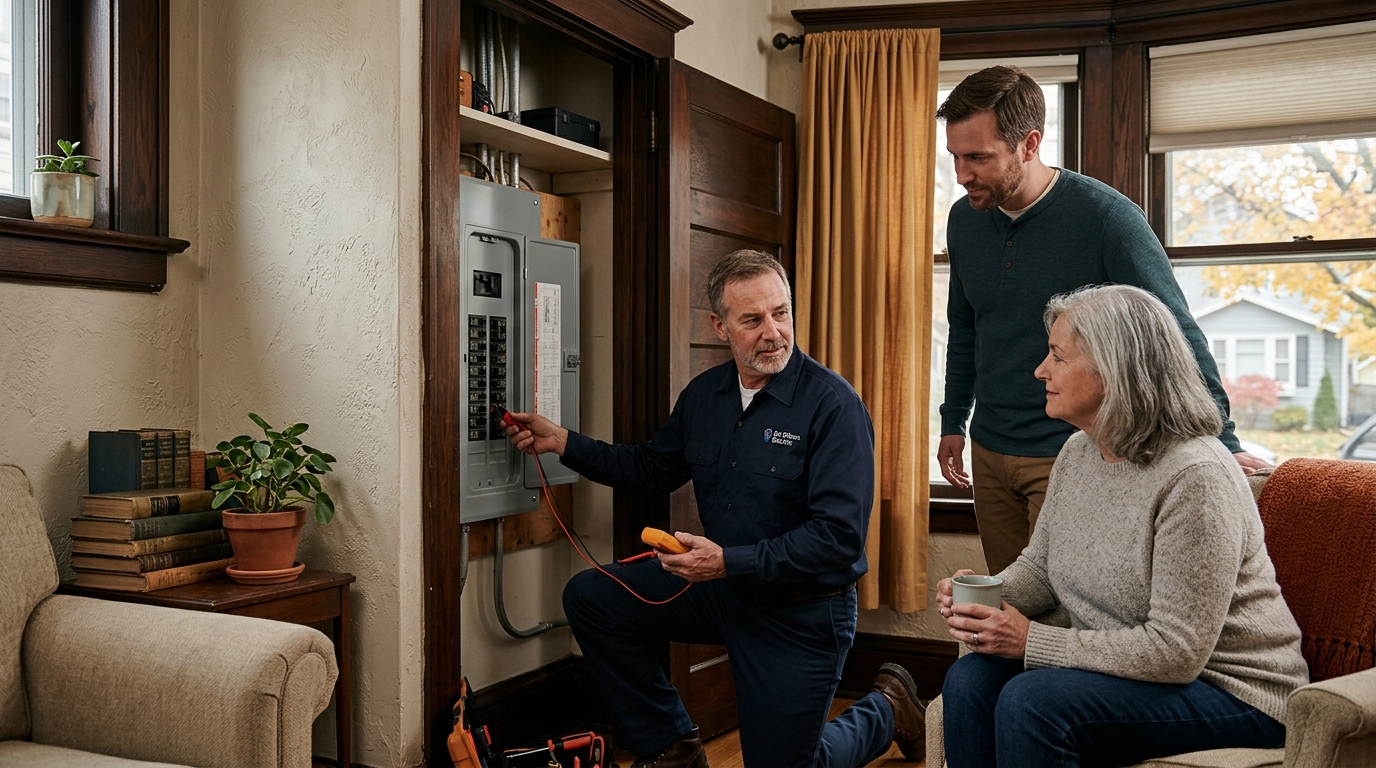
The first phase of any electrical safety upgrade involves a comprehensive diagnostic evaluation. Older Rochester homes, particularly those built before the 1960s, often contain knob-and-tube wiring. This early wiring method lacks a ground wire, which significantly increases the risk of electrical shock and fire. A licensed electrician must inspect the attic, basement, and crawl spaces to identify exposed or deteriorating insulation.
Another common issue in vintage properties is the presence of aluminum wiring. Installed briefly in the mid-20th century, aluminum expands and contracts differently than copper. This movement can lead to loose connections, overheating, and eventual failure. Identifying these materials early allows for a targeted upgrade plan. Go Wilson Electric specializes in these detailed inspections for Upstate NY properties. Learn more about our inspection services to understand the scope of work required for your specific home.
Step 2: Upgrading the Main Electrical Panel
Many older homes still operate with 60-amp or 100-amp service panels. These capacities are insufficient for modern households that utilize high-draw appliances, electric vehicles, and extensive digital devices. Upgrading to a 200-amp panel is the standard recommendation for most residential properties today. This upgrade provides the necessary headroom for future expansions and prevents circuit overloads.
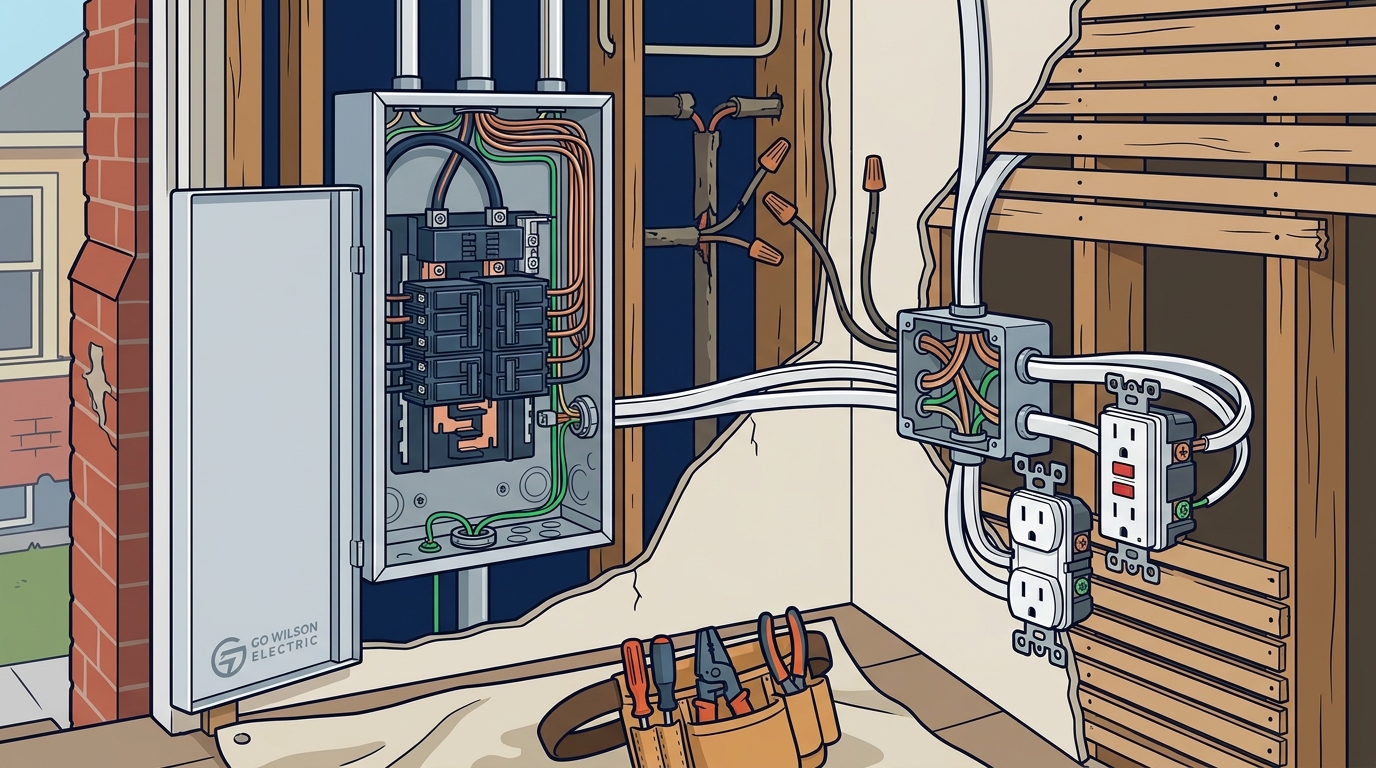
The process involves replacing the old fuse box or outdated breaker panel with a modern, code-compliant unit. This upgrade also ensures that your home meets the latest National Electrical Code (NEC) requirements. Proper panel installation reduces the risk of electrical fires caused by arcing or overheating components. For a detailed breakdown of our electrical service offerings, including panel replacements, visit our dedicated service page.
Step 3: Replacing Outdated Wiring Systems
Knob-and-tube wiring is no longer accepted by most insurance providers. The lack of a ground wire and the degradation of rubber insulation over time create significant hazards. Replacing this wiring with modern Romex (NM-B) cable is the most effective long-term solution. This process involves running new wires through the walls and ceilings while carefully preserving the structural integrity of the home.
In cases where full rewiring is too invasive, alternative solutions such as surface-mounted conduit may be considered. However, full replacement remains the gold standard for safety. This upgrade also improves the overall efficiency of your electrical system. Our team brings over three decades of combined expertise to every job, ensuring that your home’s electrical backbone is robust and reliable. We handle all types of electrical work, ensuring compliance with local Rochester building codes.
Step 4: Implementing Proper Grounding and Bonding
Grounding is the process of providing a safe path for electrical current to flow into the earth in the event of a fault. Older homes often lack a proper grounding system, leaving appliances and occupants vulnerable to shock. Installing a grounding electrode system involves driving copper rods into the earth and connecting them to the main service panel.
Bonding connects all metal parts of the electrical system to ensure they are at the same electrical potential. This prevents dangerous voltage differences between appliances and plumbing. Proper grounding and bonding are critical for the safe operation of surge protectors and GFCI devices. Contact us for a free consultation to discuss how grounding upgrades can protect your specific property.
Step 5: Installing Modern Outlet Safety Features
Two-prong outlets are a hallmark of older electrical systems. They do not provide a ground path, which is essential for safety. Replacing these with three-prong, grounded outlets is a fundamental upgrade. Furthermore, the installation of Ground Fault Circuit Interrupter (GFCI) outlets is mandatory in wet areas such as kitchens, bathrooms, and outdoor spaces.
GFCI outlets monitor the current flow and shut off power instantly if a ground fault is detected. This feature significantly reduces the risk of electrocution. Arc-Fault Circuit Interrupter (AFCI) outlets are also recommended for bedrooms and living areas to detect dangerous arcing conditions. These devices work together to create a multi-layered safety net. Request a quote today to have your outlets upgraded by licensed professionals.
Step 6: Modernizing Lighting and Circuit Load
Older circuits were designed for incandescent lighting and minimal appliance use. Today’s homes require dedicated circuits for high-load devices such as HVAC systems, water heaters, and kitchen appliances. Overloading these circuits can lead to tripped breakers and, in severe cases, electrical fires.
Upgrading your lighting to LED technology reduces the overall load on your system while providing superior illumination. Additionally, installing smart home integration allows for better monitoring and control of electrical usage. This modernization ensures that your home can support modern living without compromising safety. Explore our comprehensive list of electrical services to see how we can tailor these upgrades to your needs.
Key Takeaways
- Older homes often lack grounding, increasing the risk of electrical shock and fire.
- Upgrading to a 200-amp panel is essential for supporting modern power demands.
- Knob-and-tube wiring is a significant hazard and should be replaced with modern Romex cable.
- GFCI and AFCI outlets are critical for preventing electrocution and electrical fires.
- Proper grounding and bonding ensure all metal components are at the same electrical potential.
- Go Wilson Electric serves the entire Upstate NY region with licensed and insured professionals.
- Regular electrical inspections can identify potential hazards before they become dangerous.
Frequently Asked Questions
How do I know if my home has knob-and-tube wiring?
Knob-and-tube wiring is typically visible in unfinished areas like attics and basements. It consists of individual insulated wires running through ceramic knobs and tubes. If you are unsure, a professional inspection is the only way to confirm its presence.
Is it safe to live in an older home with aluminum wiring?
Aluminum wiring can be safe if properly installed with specific connectors and devices designed for aluminum. However, older installations often lack these safety features, making them prone to overheating. Upgrading or pig-tailing the connections is recommended.
How long does a full electrical panel upgrade take?
A standard panel upgrade typically takes one to two days. This timeline includes the removal of the old panel, installation of the new unit, and testing to ensure all circuits function correctly.
Why is grounding important for older homes?
Grounding provides a safe path for electrical current to dissipate into the earth during a fault. Without it, fault currents can travel through appliances or people, leading to severe injury or death.
Can Go Wilson Electric handle emergency electrical services?
Yes, we offer emergency service for outages and critical electrical failures. Our team is available to respond quickly to ensure your home remains safe and functional.
What is the difference between GFCI and AFCI outlets?
GFCI outlets protect against ground faults, primarily in wet areas. AFCI outlets protect against arc faults, which can cause fires, and are required in living spaces like bedrooms and hallways.
Do I need a permit for electrical upgrades in Rochester?
Yes, most significant electrical upgrades require a permit from the local building department. Licensed electricians like those at Go Wilson Electric handle the permitting process to ensure compliance with all codes.
Schedule Your Safety Assessment
Protecting your older Rochester home requires proactive electrical safety upgrades. Do not wait for a hazard to manifest before taking action. Our team of licensed and insured professionals is ready to assess your needs and implement the necessary changes. Request a free quote today to secure your home’s electrical future. We are committed to providing honest, high-quality service to every customer in Upstate NY.